
When Breathing Problems Become an Emergency
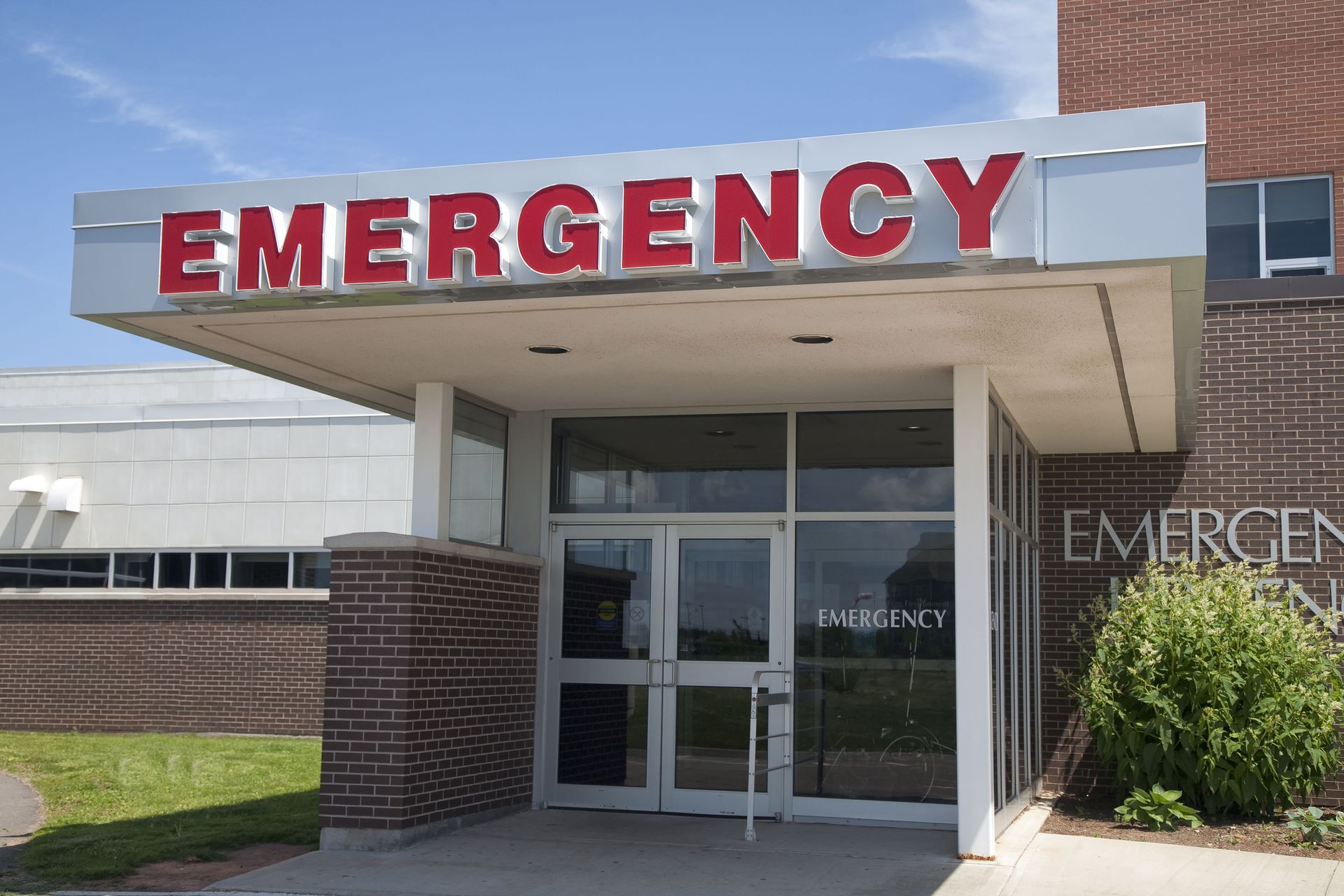
Breathing is something most people rarely think about until it becomes difficult. Whether caused by illness, allergies, chronic conditions, or unexpected environmental factors, breathing problems can quickly turn from uncomfortable to dangerous. While mild respiratory symptoms sometimes improve with rest and supportive care, certain warning signs require immediate medical attention. Recognizing the difference between a temporary issue and a true emergency can make a significant difference in outcomes. Delaying treatment when oxygen levels are compromised may increase the risk of serious complications. Individuals of all ages can experience respiratory emergencies, and understanding when to seek help is an important part of protecting personal and family health. Prompt evaluation provides reassurance when symptoms are minor and timely intervention when urgent care is needed. Knowing when to visit an emergency clinic can help individuals respond appropriately during stressful situations.
Recognizing Sudden Shortness of Breath
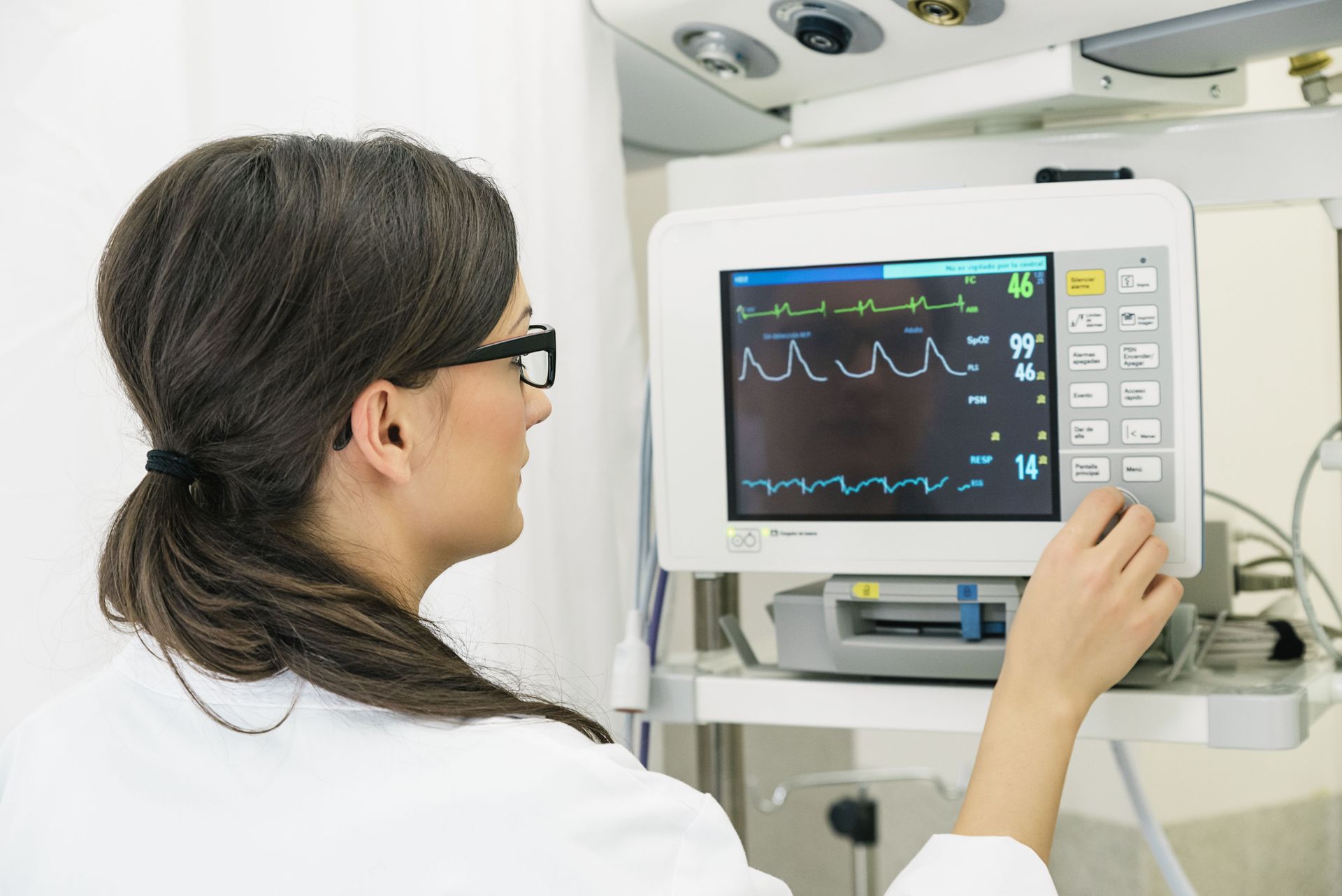
One of the clearest signs of a respiratory emergency is sudden shortness of breath. Difficulty breathing that appears without warning can indicate a serious underlying condition requiring immediate evaluation. Individuals may struggle to take full breaths or feel as though they cannot get enough air into their lungs. Even simple activities such as speaking or walking across a room may become difficult. Symptoms that rapidly worsen should never be ignored or dismissed as temporary discomfort. Chest tightness, visible distress, and an inability to catch one's breath warrant prompt attention. Seeking care from an emergency clinic allows medical professionals to assess oxygen levels and determine the cause of the problem. Early treatment may prevent the condition from progressing into a more severe medical crisis.
Identifying Changes in Skin Color
The body often provides visible clues when oxygen levels begin to decline. A bluish or gray tint around the lips, fingertips, or face may indicate that the bloodstream is not receiving adequate oxygen. These changes can occur quickly and should always be taken seriously. Individuals experiencing this symptom may also appear pale or unusually fatigued. Family members and caregivers should remain alert to subtle differences in appearance during respiratory distress. Changes in skin color frequently signal the need for immediate evaluation and intervention. Prompt assessment at an emergency clinic can help identify the cause and provide appropriate treatment measures. Acting quickly in these situations may significantly improve outcomes and reduce complications.
Monitoring Persistent Wheezing and Coughing
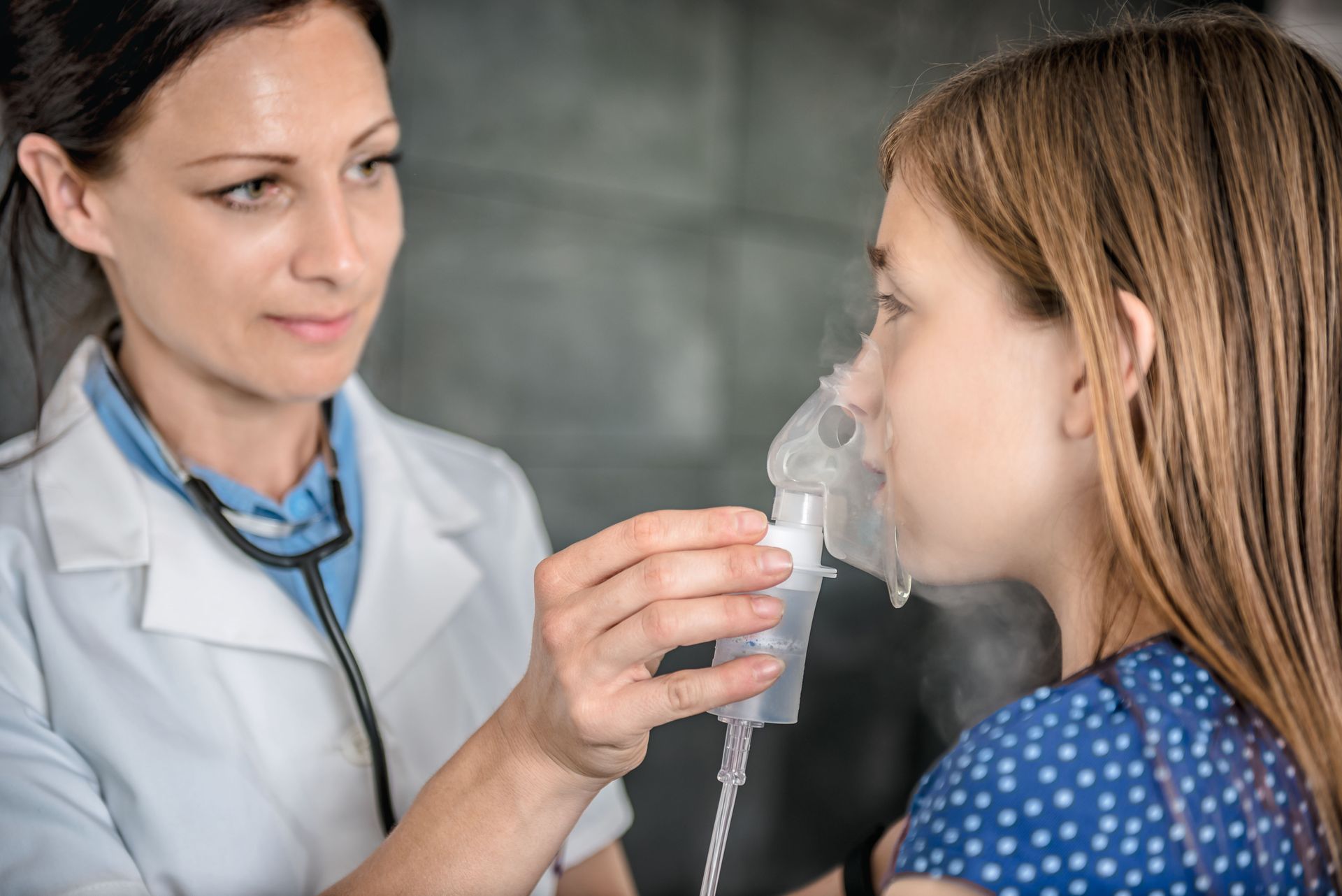
Wheezing and coughing are common symptoms associated with many respiratory conditions, but their severity and duration matter. Persistent wheezing that does not improve with prescribed medications may indicate worsening airway obstruction. A severe cough that interferes with speaking, eating, or sleeping can also suggest that additional medical attention is necessary. Some individuals may notice that their symptoms intensify despite following their normal treatment plans. Others may experience coughing accompanied by dizziness or increasing fatigue. Paying attention to changes in symptom patterns helps determine when routine management is no longer sufficient. Visiting an emergency clinic allows healthcare providers to evaluate whether advanced treatment is needed. Prompt intervention can help restore breathing comfort and reduce further distress.
Responding to Chest Pain and Pressure
Breathing difficulties accompanied by chest pain should never be ignored. Although chest discomfort can result from a variety of causes, it may signal a potentially serious condition affecting the heart or lungs. Individuals often describe the sensation as pressure, tightness, squeezing, or sharp pain. The discomfort may worsen during breathing, physical activity, or periods of heightened anxiety. Additional symptoms such as nausea, sweating, or pain radiating into the arm or jaw require urgent evaluation. According to the Urgent Care Association, approximately 26.5% of adults have sought treatment at an urgent care facility within the previous year, illustrating how many people rely on prompt medical evaluation when health concerns arise. However, symptoms involving breathing difficulties and chest pain may require a higher level of attention. Seeking immediate assessment at an emergency clinic helps ensure potentially life-threatening conditions are identified without delay.
Observing Confusion and Altered Awareness
The brain depends on a consistent supply of oxygen to function properly. When breathing problems interfere with oxygen delivery, individuals may experience confusion, disorientation, or difficulty concentrating. Family members often notice changes in behavior before the affected person recognizes them. Someone who appears unusually drowsy, forgetful, or unable to answer simple questions may require urgent care. Altered awareness can develop gradually or occur suddenly depending on the underlying cause. These symptoms should never be attributed solely to fatigue when breathing difficulties are present. Evaluation at an emergency clinic allows healthcare professionals to determine whether reduced oxygen levels are contributing to neurological changes. Prompt treatment can help restore stability and prevent further complications.
Understanding Risks for Vulnerable Populations
Certain groups face increased risks when respiratory symptoms develop. Young children, older adults, and individuals with chronic medical conditions often experience more serious complications from breathing problems. Asthma, chronic obstructive pulmonary disease, heart disease, and compromised immune systems can all influence symptom severity. Caregivers should remain attentive to even subtle changes in breathing patterns among these populations. Symptoms that might be manageable in healthy adults can escalate quickly in vulnerable individuals. Delaying treatment may allow manageable conditions to become emergencies. Seeking evaluation from an emergency clinic provides reassurance and access to appropriate interventions when necessary. Early attention often contributes to more favorable outcomes for higher-risk patients.
Paying Attention to Rapid Symptom Progression
The speed at which respiratory symptoms change can provide valuable insight into their seriousness. Mild discomfort that rapidly evolves into significant breathing difficulty should prompt immediate concern. Individuals may notice that inhalers, rest, or other usual remedies no longer provide relief. Activities that were manageable earlier in the day may suddenly become exhausting. Increased respiratory effort, visible struggle, and escalating distress indicate that the body requires additional support. Waiting to see whether symptoms improve on their own can delay essential treatment. Visiting an emergency clinic enables medical teams to intervene before the condition worsens further. Quick action often leads to more effective management and improved recovery experiences.
Preparing for Respiratory Emergencies Before They Happen
Preparation can make an important difference when emergencies occur unexpectedly. Individuals with known respiratory conditions should understand their treatment plans and recognize warning signs requiring immediate attention. Keeping medications readily accessible and ensuring they remain current supports effective symptom management. Family members should also know how to respond if breathing difficulties become severe. Emergency contact information and medical histories should be easy to locate when needed. Practicing how to seek help quickly reduces confusion during stressful situations. Knowing when to choose an emergency clinic empowers families to make confident decisions under pressure. Preparation supports faster action and may improve outcomes when every moment matters.
Breathing problems can range from mild inconveniences to life-threatening emergencies within a short period of time. Sudden shortness of breath, changes in skin color, persistent wheezing, chest pain, confusion, and rapidly worsening symptoms should never be ignored. Vulnerable populations require particular attention, and preparation can help families respond effectively when emergencies arise. Understanding these warning signs allows individuals to seek appropriate care before complications escalate. Prompt medical evaluation provides answers, treatment, and reassurance during uncertain moments. Acting quickly when breathing difficulties become severe can protect health and potentially save lives.
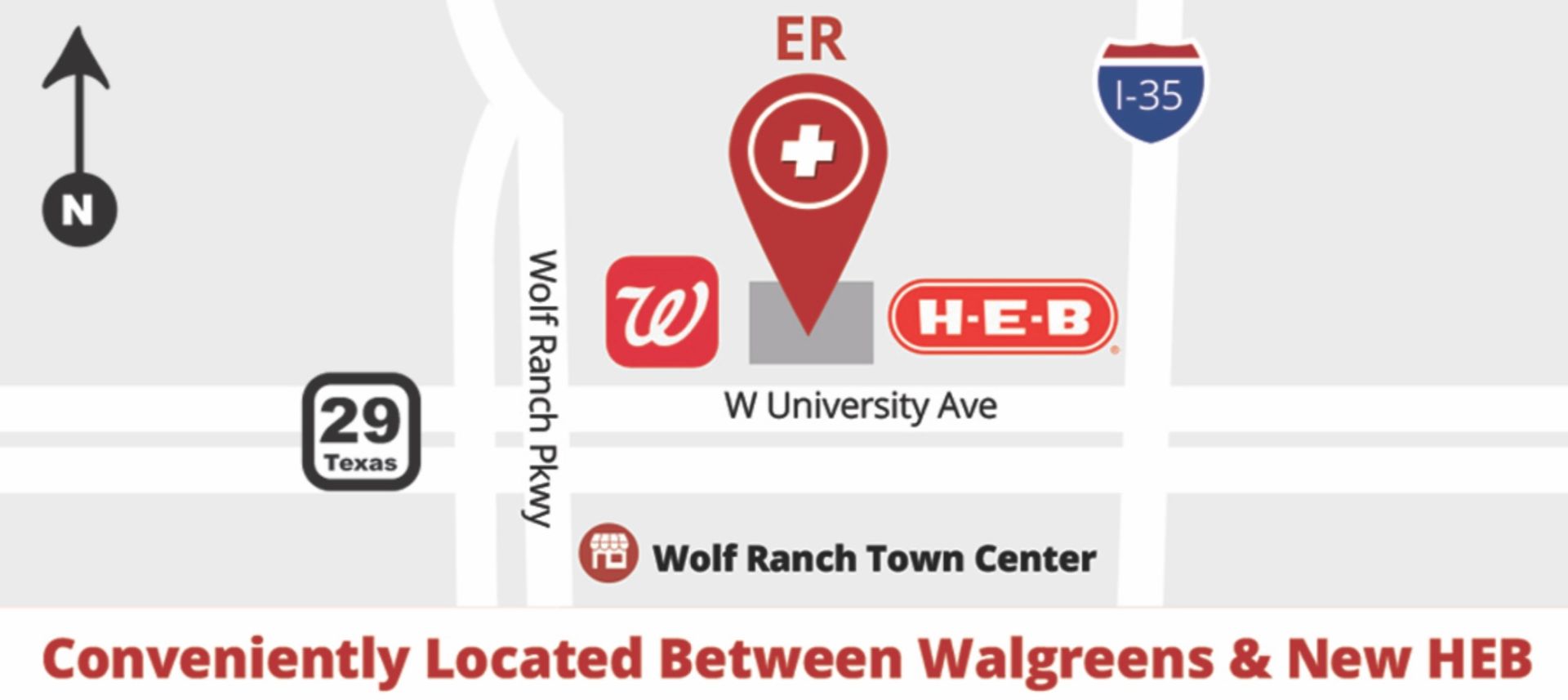
If you or a loved one experiences serious breathing problems, don't delay seeking medical attention. The compassionate team at Family Emergency Room at Georgetown is available to provide prompt evaluation and treatment when urgent situations arise. Contact us or visit our facility for immediate care and the support you need when every breath matters.












Share On: