
How Emergency Services Support Adult Health Care Needs
Adults can experience sudden medical problems that require immediate evaluation, treatment, or transportation to a hospital. Heart attacks, strokes, breathing difficulties, serious injuries, allergic reactions, infections, and other urgent conditions can develop with little warning. In these situations, emergency services provide an important link between the onset of a medical crisis and more comprehensive hospital care. Trained responders assess patients, deliver initial treatment, coordinate transportation, and communicate with medical facilities so that care can continue efficiently after arrival.
The role of emergency care extends beyond transporting patients to hospitals. Responders use specialized equipment, communication systems, medical protocols, and clinical training to support adults during some of their most vulnerable moments. Their ability to act quickly can reduce delays in treatment while helping hospitals prepare for patients who may require immediate intervention.
1. Providing Immediate Assessment and Stabilization
Emergency Medical Technicians and paramedics are often among the first medical professionals to evaluate adults experiencing urgent health problems. When they arrive at a scene, they assess breathing, circulation, consciousness, vital signs, injuries, symptoms, medications, and other relevant factors. The information gathered helps determine the seriousness of the situation and what type of care should be provided immediately.
According to the CDC, roughly 18% of the adult population visited an emergency department at least once within a single year, highlighting the continuing demand for rapid medical evaluation. Emergency services help address this demand by beginning assessment before a patient reaches the hospital. Early evaluation can be especially important when symptoms indicate time-sensitive conditions such as stroke, heart attack, respiratory distress, or major trauma.
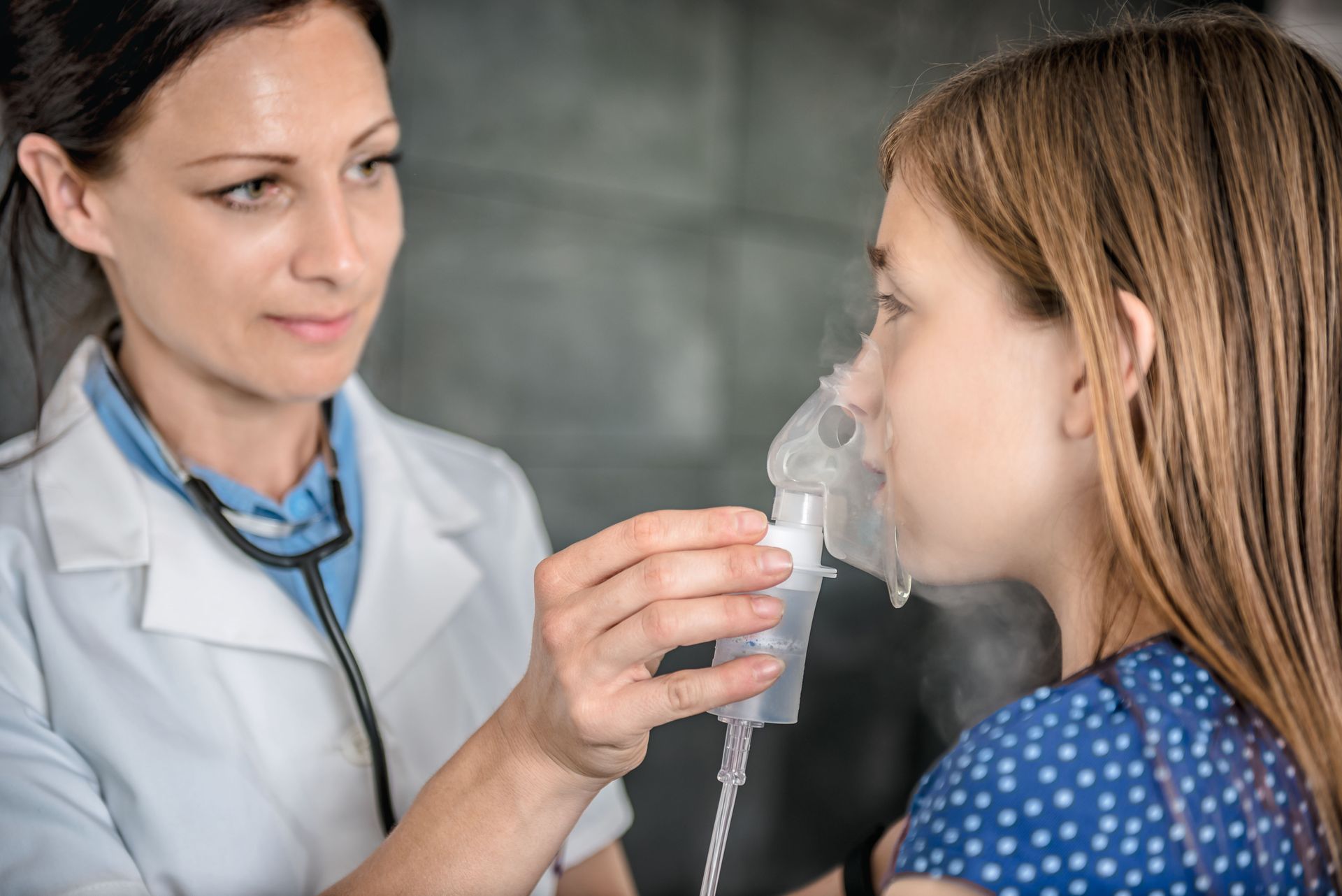
Responders may administer oxygen, control bleeding, perform CPR, use an automated external defibrillator, manage airways, immobilize injuries, or provide medications within their scope of practice. These interventions are designed to stabilize patients while preparing them for further treatment.
2. Supporting Patients During Medical Procedures
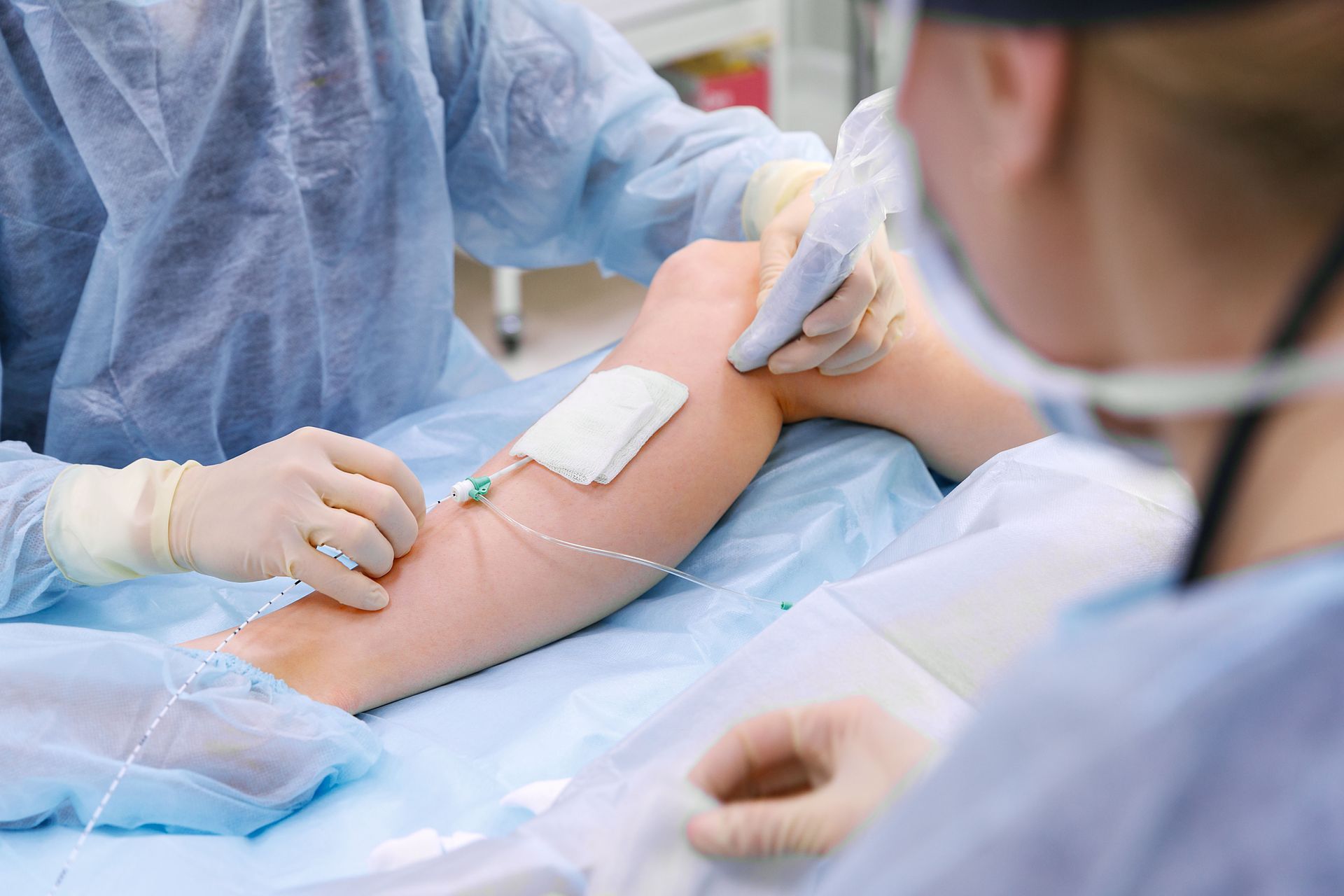
Emergency responders are trained to perform a variety of procedures under challenging conditions. Unlike medical professionals working inside a hospital, paramedics and EMTs may need to provide care inside homes, vehicles, workplaces, public spaces, or outdoor environments. Their training helps them remain organized while working around limited space, environmental hazards, distressed family members, and other complications.
Emergency services also depend on standardized protocols that guide treatment decisions. These protocols help responders determine appropriate actions based on symptoms, vital signs, injuries, and patient history. Continued education allows personnel to remain familiar with changing medical practices, technologies, equipment, and safety procedures.
Communication is equally important during treatment. Responders explain procedures when possible and reassure patients who may feel frightened or confused. Clear communication can help adults understand what is happening while encouraging cooperation during examinations, procedures, and transportation.
3. Coordinating Care With Hospitals
Communication between field responders and hospitals can improve continuity of care. Before arriving at an emergency department, medical teams may transmit information about the patient's condition, symptoms, vital signs, treatment already provided, medications, or suspected diagnosis. Hospitals can then prepare equipment, rooms, medications, or specialists before the patient arrives.
This coordination is particularly valuable for conditions that require rapid intervention. Stroke teams, cardiac specialists, trauma personnel, surgeons, and other professionals may need advance notice so that treatment can begin quickly. By maintaining communication during transportation, emergency services help reduce unnecessary delays between field care and hospital treatment.
Electronic medical records and digital communication systems can further strengthen coordination. When appropriate information is available, clinicians may gain a clearer understanding of allergies, medications, chronic illnesses, prior procedures, and other factors that could affect treatment decisions.
4. Managing Triage and Emergency Department Priorities
Emergency departments must treat patients with many different levels of illness and injury. Triage systems help medical teams determine which patients require the most immediate attention. Nurses and other clinicians assess symptoms, vital signs, pain levels, medical history, and potential risks before assigning treatment priority.
This process is necessary because patients do not always arrive in order of medical urgency. Someone experiencing chest pain, severe bleeding, respiratory distress, or neurological symptoms may require immediate care even if another patient arrived earlier. Effective triage allows limited staff, beds, diagnostic equipment, and treatment spaces to be directed toward patients facing the greatest risks.
Hospitals also use diagnostic technologies such as X-rays, CT scans, laboratory testing, cardiac monitoring, and point-of-care testing. These tools can help clinicians identify internal injuries, infections, cardiovascular problems, fractures, neurological conditions, and other concerns requiring prompt treatment.
5. Improving Transportation for Critical Patients
Transportation is another major component of emergency medical care. Ambulances are designed to function as mobile treatment environments, allowing responders to continue monitoring and caring for patients while traveling to a medical facility. Equipment may include cardiac monitors, oxygen systems, airway devices, medications, immobilization equipment, and other tools.
Emergency services use dispatch systems, GPS technology, traffic information, and communication networks to select appropriate routes and destinations. In some situations, transporting a patient to the closest hospital may not be the best option. Trauma, stroke, cardiac, or other specialized conditions may require transport to a facility with the necessary personnel and resources.
Air medical transportation may also be appropriate when patients are located far from specialized facilities or when ground transportation would create significant delays. Helicopters and fixed-wing aircraft can move critically ill patients across long distances while allowing trained medical personnel to provide continuous care.
6. Addressing Mental and Behavioral Health Emergencies
Adults seeking urgent medical attention may also experience mental or behavioral health crises. Emergency departments and response teams increasingly coordinate with mental health professionals to evaluate patients experiencing severe anxiety, psychosis, suicidal thoughts, substance-related complications, or other behavioral emergencies.
Careful evaluation helps determine whether physical illness, medication interactions, substance use, psychiatric conditions, or multiple factors are contributing to the crisis. Emergency services may coordinate with hospitals, crisis teams, behavioral health professionals, and community programs to help patients reach an appropriate level of care.
Integrating physical and behavioral health support can improve continuity because the two are often closely connected. Medical emergencies can worsen emotional distress, while behavioral health conditions may complicate treatment decisions or communication.
7. Using Technology to Improve Emergency Medicine
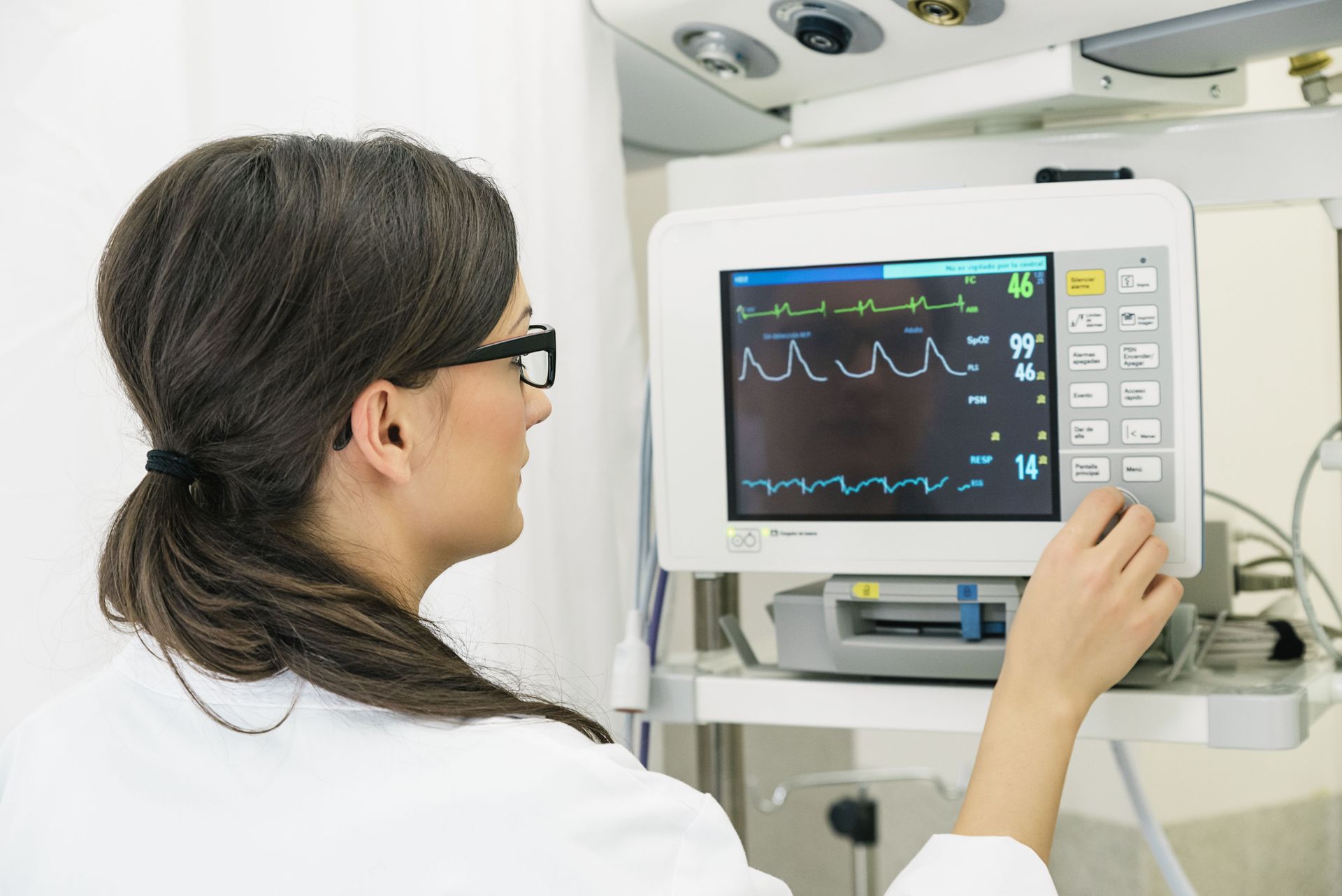
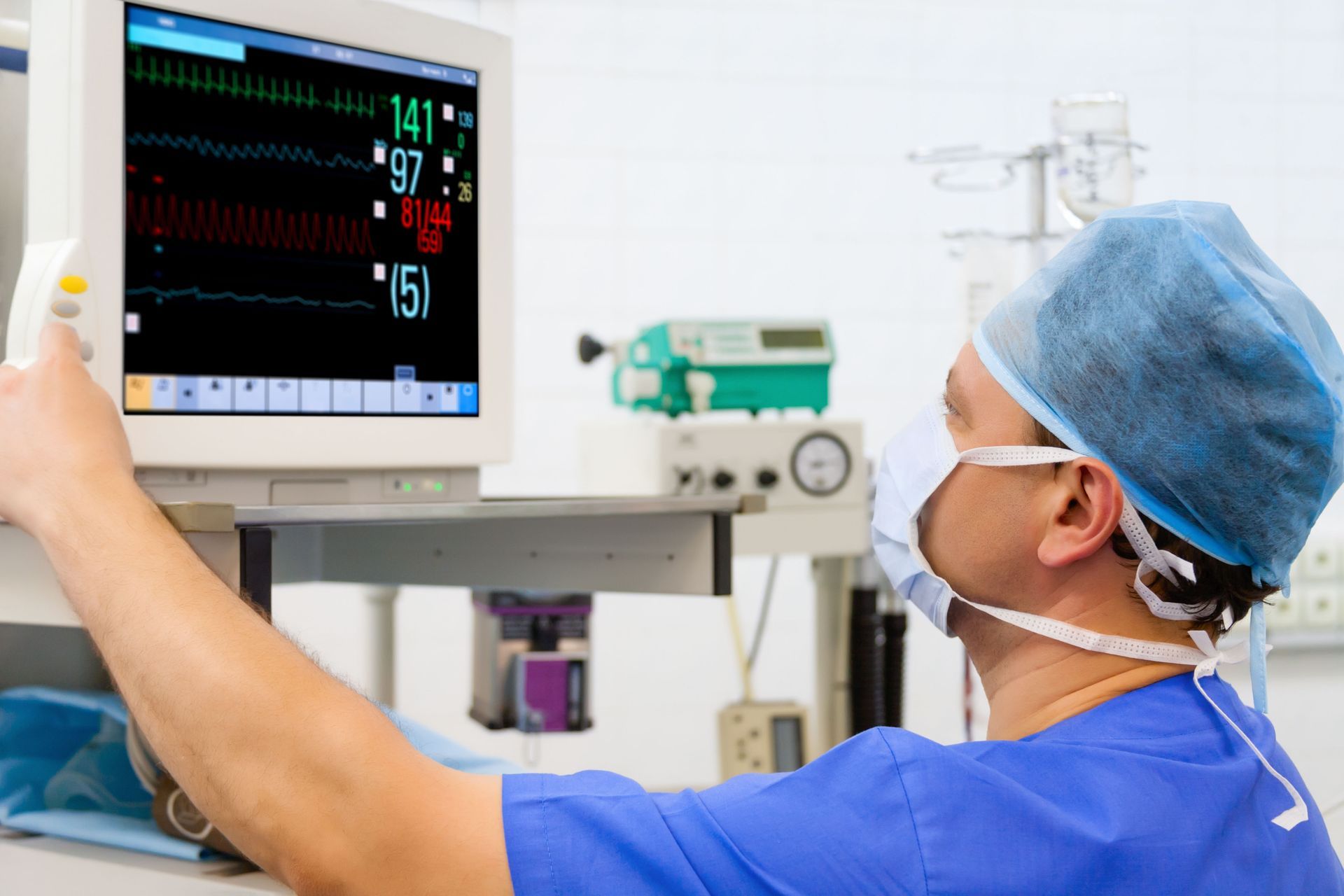
Advances in technology continue to change how urgent medical care is delivered. Portable electrocardiograms, cardiac monitors, blood testing devices, ultrasound equipment, and other compact technologies can allow clinicians to gather important information before a patient reaches the hospital.
Telemedicine also creates opportunities for remote consultation. Medical personnel in ambulances, rural clinics, or remote communities may connect with physicians and specialists for additional guidance. These systems can be particularly valuable when specialized expertise is not immediately available at the patient's location.
Artificial intelligence and data analytics are also being studied and used in certain health care environments to identify patterns, assist with resource planning, and support clinical decision-making. Emergency services may benefit from predictive systems that help anticipate periods of high demand, identify transportation patterns, or improve deployment decisions.
8. Supporting Rural and Underserved Communities
Providing urgent care in rural or underserved communities can involve additional challenges. Longer travel distances, limited hospital availability, smaller medical workforces, and fewer specialists may increase the time required to reach advanced care. Planning therefore becomes particularly important in these areas.
Community partnerships can help address some of these limitations. Local clinics, volunteer responders, hospitals, public health agencies, and regional transportation providers may coordinate resources and establish response plans. Telemedicine can also connect patients and local clinicians with specialists located elsewhere.
Emergency services remain an essential component of adult health care because they connect rapid response, field treatment, transportation, hospital preparation, and community support. Through coordinated medical expertise, technology, education, and collaboration, these teams help adults receive timely care during urgent situations while supporting the transition toward continued treatment and recovery. Contact Family Emergency Room at Georgetown today and learn more about our emergency services.








Share On: