
What Parents Should Expect From Pediatric ER Services
When a child experiences a sudden illness or severe injury, heading to an emergency department can feel overwhelming. Children possess unique physiological and emotional needs that set them apart from adults. Specialized pediatric care environments address these distinct requirements, helping young patients receive appropriate medical interventions while feeling safe. Knowing what to expect when utilizing pediatric ER services can significantly reduce anxiety.
Understanding the entire process empowers parents to advocate effectively for their children during critical moments. Pediatric facilities focus on creating reassuring atmospheres alongside advanced medical treatment. By preparing key information ahead of time and understanding how medical teams prioritize urgent conditions, families can focus on helping their child heal.
Understand Pediatric Emergency Services
Pediatric emergency departments differ significantly from adult facilities because young bodies require specialized clinical expertise. Children experience distinct health conditions, respond uniquely to medications, and express distress differently than adults. Staff within pediatric departments undergo extensive training in child development and emergency medicine. This background enables clinicians to assess subtle symptoms quickly and communicate effectively with young patients.
The physical environment of a pediatric facility is thoughtfully designed to minimize fear and anxiety for visiting families. Bright colors, welcoming artwork, and distraction tools help create a comforting atmosphere. Equipment used in these departments is specifically scaled for smaller bodies. Child-sized blood pressure cuffs, intravenous lines, and airway management tools ensure precise and safe care delivery.
The frequency of emergency visits highlights the ongoing necessity of specialized healthcare settings for growing children. According to data provided by the CDC, close to 4% of young people required care at an emergency department two or more times over 12 months. Specialized pediatric ER services cater specifically to these acute medical needs, offering families dedicated clinical resources.
Prepare for Your Emergency Visit
Preparation plays a vital role in ensuring a smooth emergency department visit during a medical crisis. Parents should keep an updated summary of their child's medical history easily accessible. Details include current medications, known allergies, chronic conditions, and previous surgeries. Providing medical staff with a clear summary allows doctors to make fast diagnostic decisions without risking adverse reactions.
Understanding financial obligations and insurance coverage beforehand helps alleviate unnecessary stress during a sudden emergency. Knowing which emergency departments operate within your insurance network can prevent unexpected medical bills. Reviewing coverage details regarding emergency co-pays and facility fees gives parents a clear picture of potential costs. Organizing healthcare documents proactively ensures parents focus energy on supporting their child.
Preparing your child emotionally for potential wait times is equally important when visiting a hospital. Emergency care operates on clinical priority rather than arrival order, meaning waiting periods vary depending on patient volume. Packing comfort items like a favorite toy or blanket keeps young children calm. Utilizing ER services with a prepared mindset helps families navigate potential waits with ease.
Navigate the Initial Triage Process
The triage process begins immediately upon arrival at the emergency facility to determine care urgency. Triage nurses rapidly evaluate incoming patients to prioritize treatment based on medical severity. This evaluation ensures that children facing life-threatening emergencies receive immediate intervention without delay. Parents should understand that arrival times do not dictate treatment order, as clinicians must prioritize critical patients first.
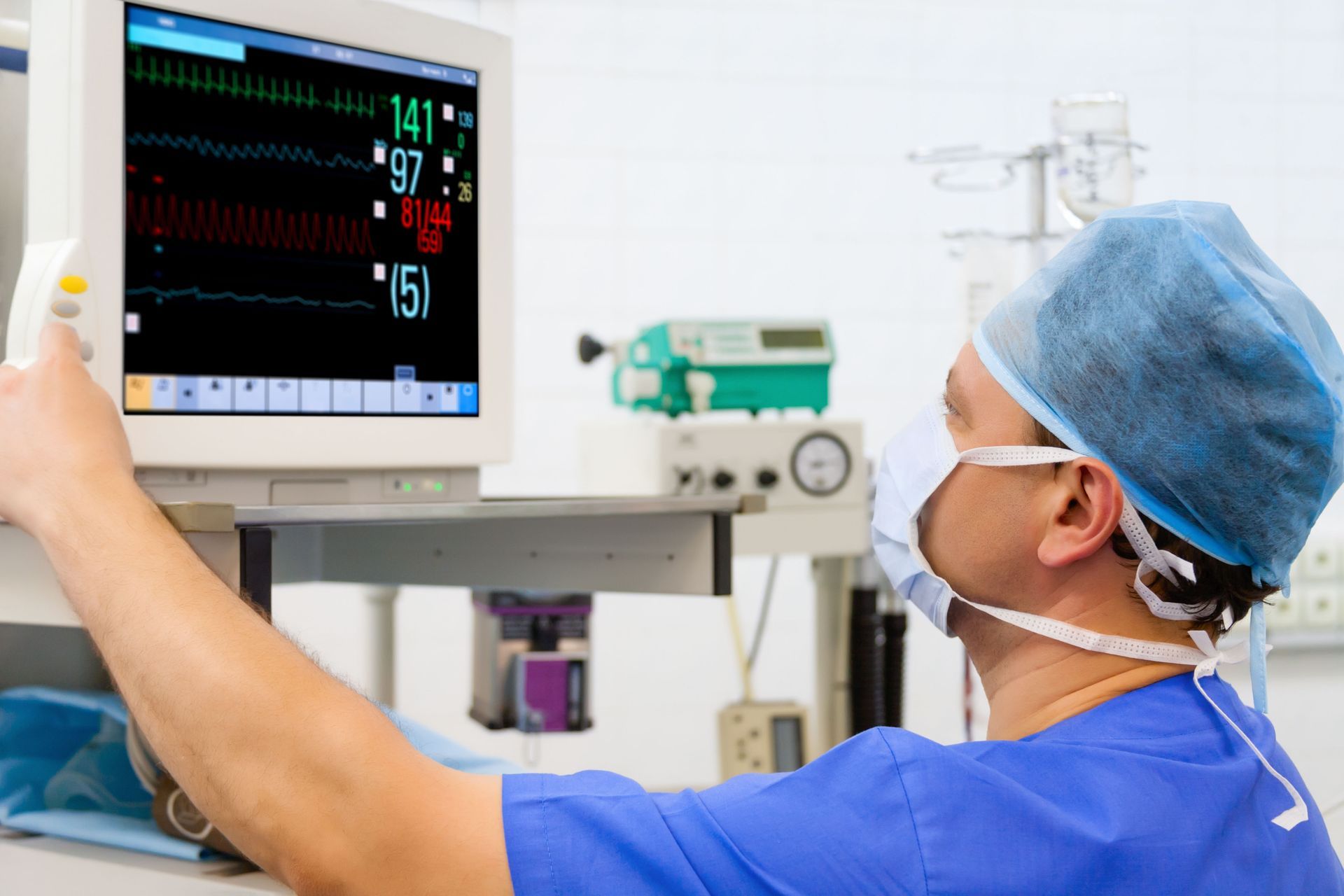
During triage, healthcare staff obtain vital signs and record initial observations to establish baseline metrics. Nurses measure body temperature, heart rate, breathing rate, and oxygen saturation using instruments designed for pediatric use. Parents play an essential role by describing symptom onset, behavioral changes, or physical signs. Clear descriptions help triage nurses categorize urgency accurately and assign patients to appropriate areas.
Staying calm during triage helps lower a child's heart rate and emotional distress during uncertain moments. Children look to parents for reassurance, making a composed demeanor extraordinarily impactful. When accessing ER services for a high-priority condition or waiting for treatment, remaining attentive to your child is vital. If symptoms worsen in the waiting room, inform triage staff immediately for re-evaluation.
Explore Common Medical Treatments
Pediatric emergency departments manage a wide spectrum of acute health issues, from respiratory distress to broken bones. Clinicians use gentle, child-focused techniques to perform necessary medical interventions safely. Managing asthma attacks, administering hydration fluids, or setting simple fractures all require tailored clinical approaches. Medical teams prioritize minimal discomfort, using soothing techniques suited to the child's age.
Effective pain management represents a core component of pediatric emergency care in modern medical facilities. Clinicians combine pharmaceutical interventions with proven non-pharmacological comfort measures to ensure relief. Topical numbing creams are applied before needle sticks, and weight-based medications are calculated precisely. Distraction methods, such as blowing bubbles or watching videos, work alongside medical pain relief to reduce discomfort.
Safety protocols surrounding medication administration in pediatric settings are exceptionally rigorous and closely monitored. Dosages are calculated based on exact body weight rather than age alone to prevent toxicity or underdosing. Emergency clinicians inform parents about recommended treatments, explaining expected benefits and potential side effects. Comprehensive ER services address severe injuries while keeping families fully informed and involved.
Communicate With Healthcare Staff
Transparent communication between parents and healthcare providers is essential for achieving optimal health outcomes. Doctors and nurses rely on detailed information from caregivers to build an accurate clinical picture. Parents should share details regarding recent changes in diet, sleep patterns, or mood, as these subtle clues offer valuable diagnostic context. Active collaboration ensures healthcare providers address every detail accurately.
Asking targeted questions helps parents understand the diagnostic process and overall treatment plan clearly. Useful inquiries include asking about the purpose of diagnostic tests, anticipated treatment duration, and expected recovery timelines. Requesting clarification on medical terminology helps prevent misunderstandings and gives parents confidence in care. Clinical staff welcomes questions, as informed caregivers are better equipped to support recovery.
Maintaining strong lines of communication with providers during ER services fosters trust and reduces family anxiety. Healthcare professionals are trained to explain complex medical concepts using clear language that parents can easily grasp. If any aspect of a procedure remains unclear, parents should advocate for their child by seeking clarification. Open dialogue ensures care aligns with best practices.
Manage Discharge and Follow-Up Care
Discharge planning marks the final phase of an emergency visit and establishes the foundation for recovery. Before leaving, parents receive detailed written instructions outlining home care routines, medication schedules, and dietary guidelines. Reviewing these instructions thoroughly with the care team ensures all directives are completely understood. Asking questions about proper medication dosing or potential side effects prevents confusion at home.
Recognizing warning signs that necessitate returning to the emergency room is crucial for safe home recovery. Discharge paperwork outlines specific red-flag symptoms, such as persistent fevers, breathing difficulty, continuous vomiting, or unusual lethargy. Parents should trust their instincts and seek immediate medical evaluation if their child exhibits worsening symptoms. Quick action helps prevent secondary medical complications.
Scheduling follow-up appointments with a primary pediatrician completes the overall emergency care cycle. Primary physicians need detailed records of emergency visits to track long-term recovery and update medical charts. After receiving pediatric ER services, following through with recommended primary care visits ensures proper healing and continuity of care. Collaborating with regular healthcare providers bridges the gap to wellness.
Navigating an emergency medical visit requires preparation, open communication, and trust in clinical expertise. Understanding how pediatric facilities operate allows parents to support their children effectively during stressful times. From triage and treatment to post-discharge care, each phase of emergency care focuses on delivering safe, specialized attention designed specifically for growing bodies. By staying informed, you ensure better health outcomes.
Knowing where to turn during an unexpected medical situation brings priceless peace of mind. Quality ER services ensure your child receives prompt, expert care delivered with compassion and precision when every minute counts. When unexpected health challenges arise, rely on us at Family Emergency Room at Georgetown to deliver compassionate, expert care for your entire family.
















Share On: