
5 Signs You Should Visit the Emergency Room
Understanding when a medical situation requires a visit to the emergency room can be crucial for your overall health and well-being. Recognizing essential signs that indicate a true medical emergency empowers you to make informed, timely decisions in critical situations. Prompt action often significantly improves health outcomes by securing necessary interventions before a condition worsens. Knowing what to expect when arriving at a local emergency room allows you to navigate urgent scenarios with confidence and efficiency. Being proactive about emergency care can ultimately save lives when every second counts.
When unexpected health crises arise, distinguishing between mild symptoms and severe physiological distress is paramount. Seeking immediate care at a local emergency room ensures access to specialized medical equipment, rapid diagnostic imaging, and board-certified emergency physicians around the clock. Preparing yourself with knowledge about critical warning signs helps eliminate hesitation, ensuring you and your loved ones receive the highest level of care when time is of the essence.
Experiencing Severe Chest Pain
Severe chest pain or pressure is often a clear indicator of a heart attack or cardiovascular event where every second counts. Differentiating between benign issues like heartburn and severe cardiac distress requires paying close attention to accompanying symptoms. Key red flags include discomfort radiating to the arm, neck, or jaw, frequently paired with shortness of breath, sudden dizziness, or cold sweats. If these symptoms manifest, seeking immediate care at a local emergency room is vital to rule out life-threatening conditions.
It is important to act quickly rather than taking a wait-and-see approach when experiencing sudden chest pressure. According to Statista, the average wait time at an emergency room is 35.7 minutes, making early arrival critical for timely triage and evaluation. Erring on the side of caution during a potential cardiac event ensures that diagnostic tests, such as electrocardiograms or blood work, can begin as soon as possible.
While waiting for emergency transportation or arriving at the facility, remaining as calm and still as possible helps reduce strain on the heart. Avoid eating or drinking anything, and gather relevant medical history, known allergies, and medication lists if feasible. Clear communication with healthcare providers regarding the exact onset and nature of your symptoms ensures rapid assessment and targeted treatment. Medical teams can quickly administer blood thinners or oxygen to prevent tissue damage.
Recognizing Severe Abdominal Pain
Unusually severe or sudden abdominal pain that intensifies over time often signals a critical underlying health issue. Conditions such as acute appendicitis, gallstones, bowel obstruction, or organ perforation require immediate medical evaluation to prevent dangerous complications. When abdominal pain is accompanied by high fever, persistent vomiting, or a rigid, tender stomach, prompt attention at an emergency room becomes essential.
Ignoring severe digestive or abdominal pain can lead to serious risks, including widespread internal infection, sepsis, or tissue damage. Key warning signs that necessitate rapid evaluation include blood in the stool, persistent vomiting of blood, an inability to keep fluids down, or sudden systemic weakness. Emergency medical teams can utilize advanced diagnostic imaging, such as CT scans or ultrasounds, alongside laboratory work to quickly identify the source of the discomfort.
When presenting to medical staff, clearly describing the timeline, exact location, and intensity of the pain helps expedite your care. Avoid taking pain relievers or eating before being evaluated, as this can mask critical diagnostic signs or delay necessary surgical procedures if anesthesia is required. Seeking professional care quickly mitigates the risk of long-term health complications and prevents localized issues from escalating into life-threatening emergencies.
Handling Difficult Breathing
Experiencing acute respiratory distress or severe shortness of breath is a direct reason to visit a local emergency room. Respiratory issues can stem from severe asthma flare-ups, anaphylactic allergic reactions, pneumonia, blood clots, or pulmonary embolisms. Signs of inadequate oxygen exchange include blue-tinted lips or fingernails, rapid shallow breathing, severe chest tightness, wheezing, and an inability to speak in full sentences.
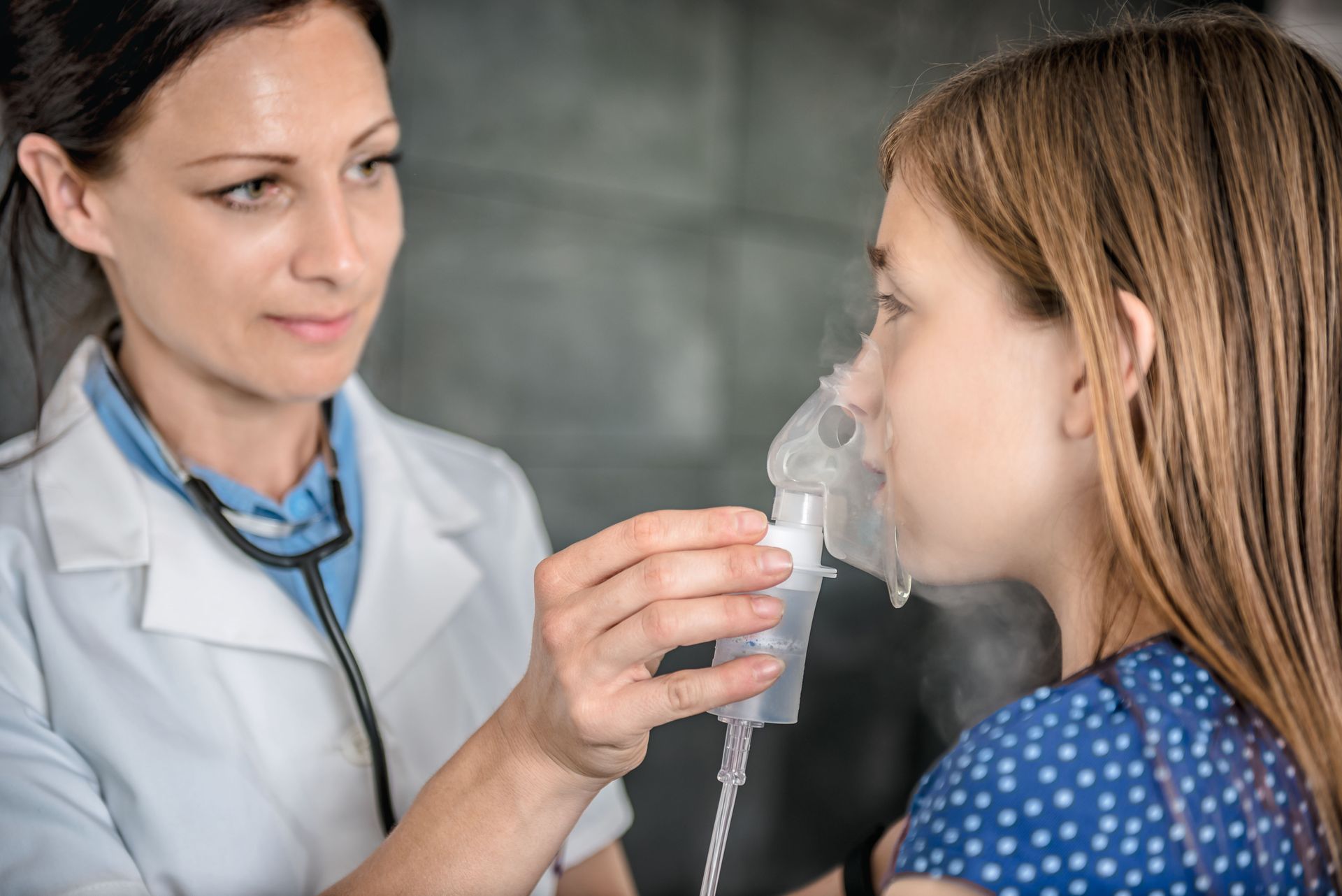
While waiting for medical assistance, keeping the individual seated upright can help keep the airways open and facilitate easier lung expansion. Trying to remain calm reduces panic, which can otherwise increase oxygen demand and worsen breathing difficulties significantly. Continuous monitoring of vital signs is necessary until medical professionals can administer high-flow oxygen therapy, nebulizers, or intravenous bronchodilators to stabilize airway function.
Delaying care for severe breathing troubles can lead to rapid physical exhaustion and dangerous drops in blood oxygen levels (hypoxia). Seeking emergency care promptly ensures that airways remain stable and that the root cause of the respiratory distress is treated effectively. Proper medical management prevents long-term damage to the lungs and heart, ensuring oxygen reaches vital organ systems without interruption.
Identifying Sudden Vision Changes
Sudden changes in vision, such as loss of sight, severe eye pain, or the sudden onset of floaters and flashes, require urgent medical evaluation. These symptoms can point to severe ocular or neurological conditions, including retinal detachment, acute angle-closure glaucoma, optic neuritis, or an impending stroke. Immediate assessment at an emergency room helps preserve eyesight and detect potential systemic issues early before irreversible damage occurs.
When vision loss is accompanied by facial drooping, weakness or numbness on one side of the body, or slurred speech, it strongly indicates a cerebrovascular event like a stroke. In these situations, immediate intervention is critical to restoring blood flow to affected areas of the brain within the narrow therapeutic window.
Recognizing the overlap between visual symptoms and neurological warning signs saves vital time during emergency treatment and minimizes long-term disability.
Preparing for an evaluation involves noting when the visual changes started and whether any physical trauma preceded the onset. Medical staff will perform targeted neurological and eye examinations to pinpoint the underlying cause and protect optic structures. Swift action is often the single most important factor in preventing permanent vision loss or long-term neurological damage.
Managing Sudden Confusion
Sudden changes in mental state, such as disorientation, confusion, delirium, or difficulty speaking, represent major medical emergencies. These cognitive symptoms can result from ischemic strokes, severe systemic infections like sepsis, acute metabolic imbalances, toxicity, or head injuries. Rapid shifts in personality, sudden memory loss, or decreased responsiveness demand immediate clinical evaluation to stabilize the patient's neurological system.
Neglecting sudden alterations in mental function can lead to irreversible cognitive deficits, coma, or life-threatening systemic deterioration. Friends or family members who notice an abrupt shift in an individual's behavior or ability to communicate should seek urgent medical help right away. Communicating the person's baseline mental state and medical history to emergency room staff provides crucial context for time-sensitive diagnostic testing.
Emergency medical providers perform comprehensive blood tests, brain imaging (such as CT or MRI scans), and neurological physical exams to identify the precise cause of the altered mental state. Early intervention allows healthcare teams to reverse underlying causes, such as low blood sugar, hypoxia, or acute infections, before lasting brain harm occurs. Prioritizing prompt care protects long-term brain health and supports a full functional recovery.
Recognizing the warning signs of a serious medical issue, such as severe chest pain, sudden abdominal discomfort, breathing difficulties, vision changes, or acute confusion, is essential for protecting your health. Knowing when to visit a local emergency room ensures that you receive proper care when time is of the essence. By acting promptly during a health crisis, you give medical professionals the best opportunity to treat conditions effectively and prevent serious long-term complications. For more information about the services that we offer, reach out to our incredible team at Family Emergency Room at Georgetown today!











Share On: