
Know Your Hospitals Before an Emergency Occurs
When a sudden medical crisis strikes, time is of the essence. The panic that often accompanies sudden illnesses can make it difficult to think clearly. This is why understanding your local healthcare landscape well in advance of a crisis is vital for your loved ones. You never want to waste precious moments searching for a facility when every second matters. Being fully prepared means knowing exactly where to go for different levels of medical care. According to the American Hospital Association, there are 6,120 hospitals in the United States. With so many varying options available, distinguishing between them is critical. A standard clinic might not be equipped to handle severe trauma, whereas a dedicated emergency hospital has the specialized staff and equipment ready to deliver immediate interventions. By familiarizing yourself with the facilities in your surrounding area now, you empower yourself to act confidently should an urgent medical need arise. Proactive research is truly the best preparation for future peace of mind.
Differentiating Healthcare Facilities
Understanding the fundamental differences between various types of medical centers is the foundational step in emergency preparedness. Urgent care clinics are excellent resources for minor injuries and conditions that require prompt attention but are not immediately life-threatening. However, these clinics typically do not have the advanced diagnostic equipment or surgical suites required for severe traumas. On the other hand, an emergency hospital is specifically designed and equipped to handle difficult, acute, and life-threatening medical situations. These specialized facilities maintain highly trained triage teams, advanced imaging technology, and dedicated surgical resources ready at a moment's notice. Recognizing the stark contrast between standard outpatient clinics and comprehensive medical centers ensures that you direct your loved ones to the appropriate venue without delay. Misjudging the severity of a medical issue and visiting a facility unequipped to handle it can result in dangerous delays. Taking the time to understand these operational differences now allows you to bypass inadequate facilities and head straight to the correct location.
Identifying Critical Care Capabilities
Beyond knowing the basic differences between standard clinics and comprehensive medical centers, it is vital to evaluate the specific capabilities of the facilities near your residence. Medical centers often have unique areas of expertise, and knowing these specialties can drastically impact the outcome of a medical crisis. Some facilities might feature a highly advanced cardiac care unit, while others might excel in comprehensive pediatric trauma care or advanced neurological interventions. When researching your local options, pay close attention to the specialized services each location highlights. If a family member has a preexisting health condition, you should prioritize locating a medical center that possesses a dedicated unit for that exact ailment. Every emergency hospital is structured to provide immediate stabilization, but the presence of specialized intensive care units can elevate the quality of care provided after the initial triage phase. By mapping out the unique strengths of the medical centers in your vicinity, you create a tailored medical response plan that directly aligns with the potential health needs of your household.
Mapping Your Closest Medical Centers
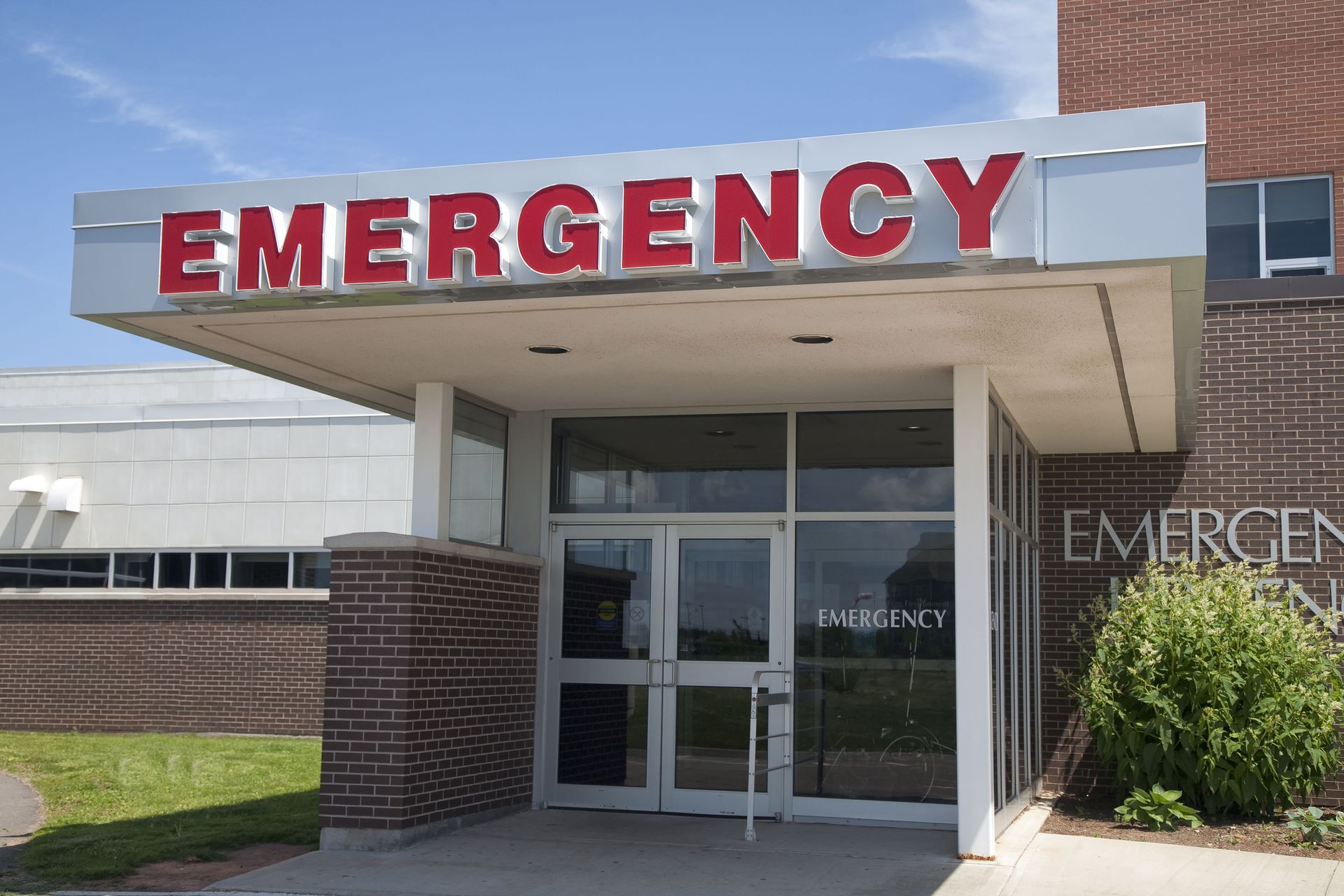
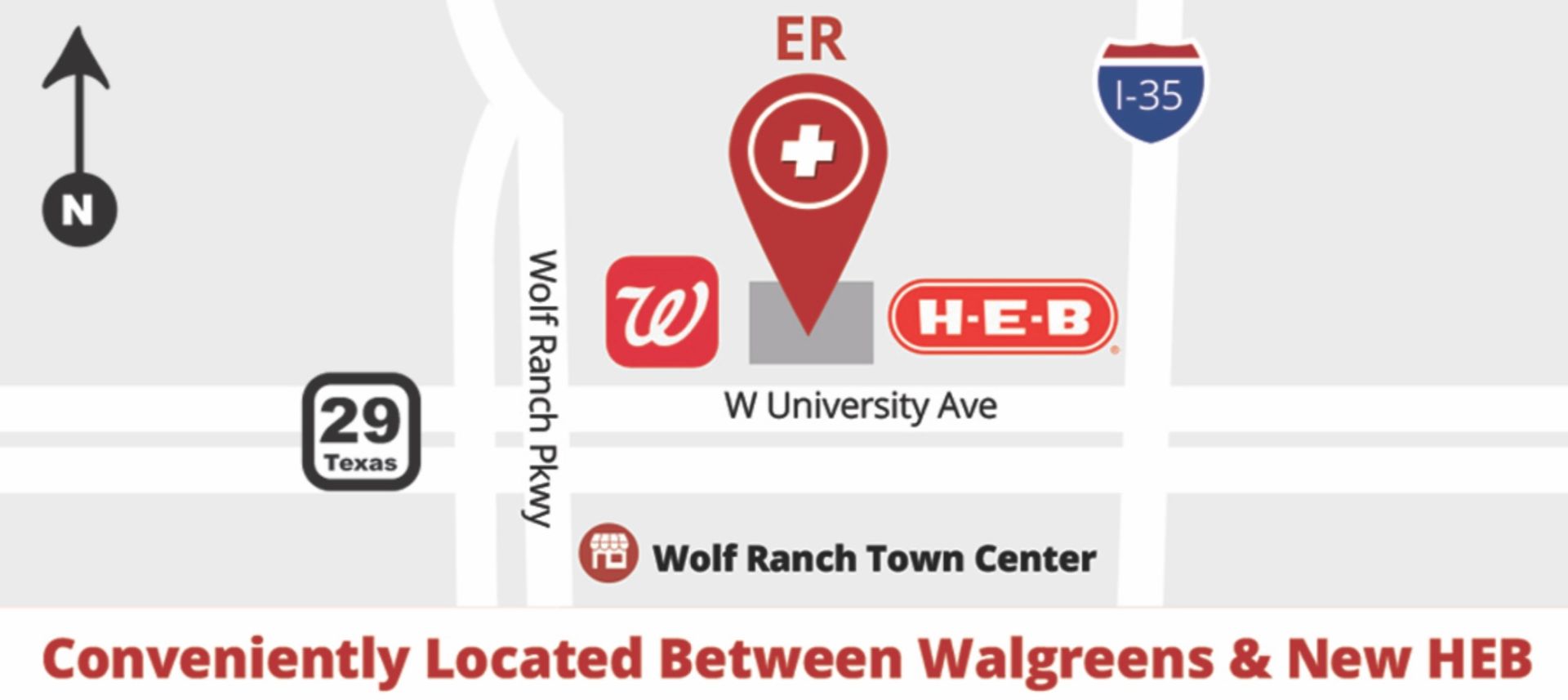
Knowledge of facility capabilities is only useful if you can physically reach the location quickly and safely. Traffic patterns and complicated neighborhood layouts can conspire to slow you down during an urgent situation. Therefore, it is imperative to map out the exact routes to your primary healthcare destinations long before you ever need to drive them under duress. Consider taking practice drives to these locations to understand how rush hour traffic might affect your travel time. Always establish a primary route and an alternative path in case of unexpected obstacles. You should also physically locate the designated emergency hospital entrance, as this drop-off point is frequently located on a different side of the building than the main lobby. Familiarizing yourself with the parking situation and the surrounding access roads removes a significant layer of stress during a crisis. When a sudden health event occurs, your spatial awareness will take over, allowing you to focus entirely on comforting the patient rather than fumbling with navigation applications.
Preparing Vital Patient Information
Arriving at the correct medical center quickly is an excellent start, but the medical staff will immediately need detailed information to provide safe care. During a chaotic moment, it is incredibly easy to forget crucial details about a family member's medical history, current medications, or severe allergies. To prevent this dangerous lapse in communication, compile a comprehensive medical dossier for every member of your household. This file should include full legal names, dates of birth, detailed insurance information, known allergies, current prescriptions, and any significant past surgical procedures. Keep physical copies of these documents in an easily accessible location, such as a designated folder near the front door. When you hand this meticulously organized information to the triage nurse at the emergency hospital, you drastically accelerate the admission process and minimize the risk of adverse drug interactions. Having this vital data readily available empowers the medical team to make rapid, informed decisions regarding treatment protocols.
Communicating With Medical Staff
Clear and accurate communication with medical professionals is a critical component of navigating any severe health event. When you arrive at a medical facility, you will be asked to describe the symptoms, the timeline of the event, and any immediate actions taken prior to arrival. It is essential to remain calm and deliver the facts without unnecessary embellishment. Focus on the most severe and immediate issues first, such as breathing difficulties or sudden losses of consciousness. If you witnessed the onset of the medical crisis, detail exactly what the patient was doing and how their condition progressed. The doctors and nurses at the emergency hospital rely heavily on this eyewitness account to form an initial diagnostic hypothesis. Do not hesitate to ask clarifying questions if you do not understand a proposed treatment plan. You are an essential advocate for the patient, and understanding the care being provided allows you to provide better support and collaborate respectfully with the healthcare team.
Planning For Unforeseen Circumstances
Even the most meticulously crafted plans can be upended by entirely unpredictable variables. Severe storms or widespread power outages can drastically alter the availability and accessibility of local healthcare resources. To build true resilience, your preparation must account for these extreme scenarios. Establish a robust communication plan with your extended family and close neighbors so that you can call upon a support network if you are unable to transport a patient yourself. Consider keeping a medical kit in your home and vehicle, stocked with essential supplies to stabilize a patient while you wait for professional medical transport. If local roads are completely impassable, you must know how to properly coordinate with municipal dispatchers to arrange for specialized rescue vehicles. It is also wise to understand the disaster protocols of your closest emergency hospital, as some facilities may reroute incoming traffic during catastrophic community events. Anticipating these worst-case scenarios ensures that your family remains protected regardless of the external challenges that may arise.
Thorough preparation is the ultimate defense against the unpredictable nature of sudden medical crises. By dedicating time today to understand the capabilities of various medical centers, mapping out the safest routes, and organizing essential health records, you position yourself to handle high-stress situations with clarity and purpose. Taking these proactive steps removes the burden of guesswork and frantic research during moments when immediate action is required. You become an effective advocate for your family's health and safety, ensuring they receive the best possible care without unnecessary delays. Prioritizing this knowledge is a profound act of care that brings lasting peace of mind to your entire household. Your health should never be left to chance when a crisis strikes. If you need immediate assistance or are looking to familiarize yourself with a trusted local facility, rely on Family Emergency Room at Georgetown. Call us today to learn more about our comprehensive critical care services and how we can support your ongoing health needs.








Share On: