
A Deep Dive Into the Emergency Room Process
The emergency room (ER) serves as a vital component of the healthcare system, functioning as the first point of contact during medical crises. Its mission is to manage and treat unforeseen health emergencies efficiently and effectively. An emergency hospital provides essential medical services for patients experiencing serious injuries, sudden illnesses, and potentially life-threatening conditions. Understanding ER operations helps patients recognize how medical professionals prioritize treatment and coordinate resources. From initial assessments to specialized interventions, emergency departments follow structured procedures designed to improve patient outcomes. This article explores the essential processes, operational challenges, and technological advancements shaping modern emergency healthcare.
Understanding Triage and Initial Patient Assessment
Triage is a fundamental component of emergency room operations, determining the urgency of each patient's condition. Medical professionals evaluate symptoms, vital signs, and potential complications to establish treatment priorities. Patients experiencing life-threatening emergencies receive immediate attention, while individuals with less severe conditions may experience longer waiting periods. This structured approach ensures that available resources are directed toward those requiring urgent medical intervention.
Initial assessments typically involve reviewing medical histories, measuring vital signs, and conducting physical examinations. Healthcare professionals follow established protocols to identify serious conditions, including strokes, heart attacks, and respiratory distress. An emergency hospital relies on experienced medical personnel to recognize warning signs and initiate appropriate treatment quickly. Accurate assessments also help prevent unnecessary testing while ensuring patients receive suitable medical attention.
Technology increasingly supports triage through electronic health records, digital monitoring equipment, and clinical decision-support systems. These resources provide immediate access to patient information and assist healthcare professionals in identifying potential complications. However, overcrowding, staffing shortages, and unpredictable patient volumes can complicate the assessment process. Continuous training and effective communication remain essential for maintaining reliable triage procedures.
Exploring Diagnostic Testing and Medical Imaging
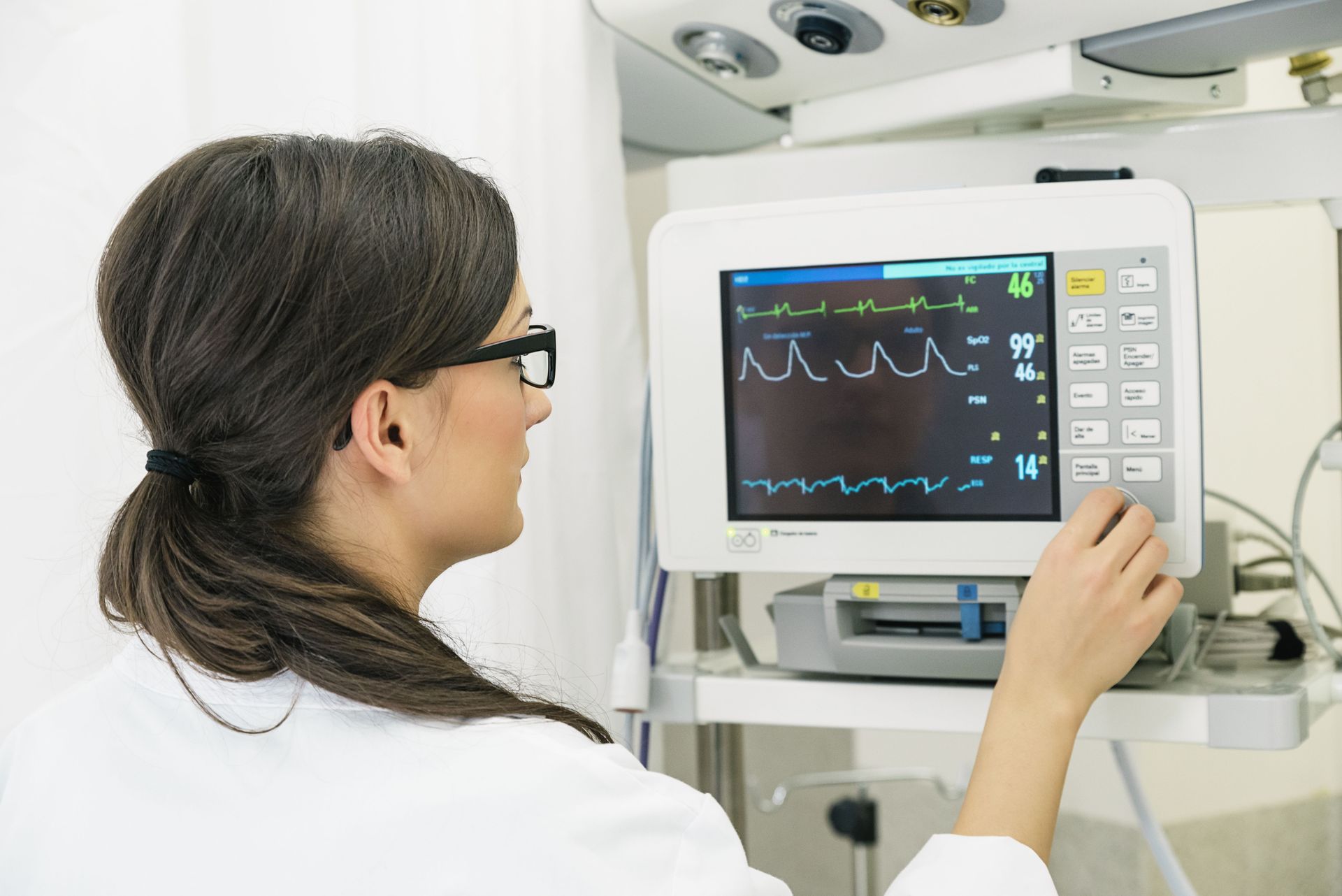
Diagnostic testing plays a critical role in identifying medical conditions and determining appropriate treatments. Emergency departments use various tools, including electrocardiograms, blood pressure monitors, and pulse oximeters, to evaluate patient health. These devices provide valuable information about cardiovascular function, oxygen levels, and other essential measurements.
Laboratory testing offers additional insights into infections, organ function, blood chemistry, and potential medical complications. Blood tests and urine analyses frequently accompany physical examinations to establish more comprehensive diagnoses. Healthcare professionals must interpret these findings alongside patient symptoms and medical histories to make informed decisions.
Medical imaging technologies, including X-rays, computed tomography scans, and ultrasound examinations, help identify internal injuries and abnormalities. An emergency hospital may use these diagnostic resources to evaluate fractures, internal bleeding, and other urgent medical concerns. Efficient coordination between laboratory technicians, radiologists, and emergency physicians helps reduce unnecessary delays.
Diagnostic accuracy remains a significant priority because incorrect interpretations can affect treatment decisions. Healthcare teams use standardized procedures, verification systems, and professional consultations to minimize errors. Maintaining reliable testing equipment and effective communication systems further strengthens diagnostic performance.
Managing Emergency Treatments and Medical Interventions
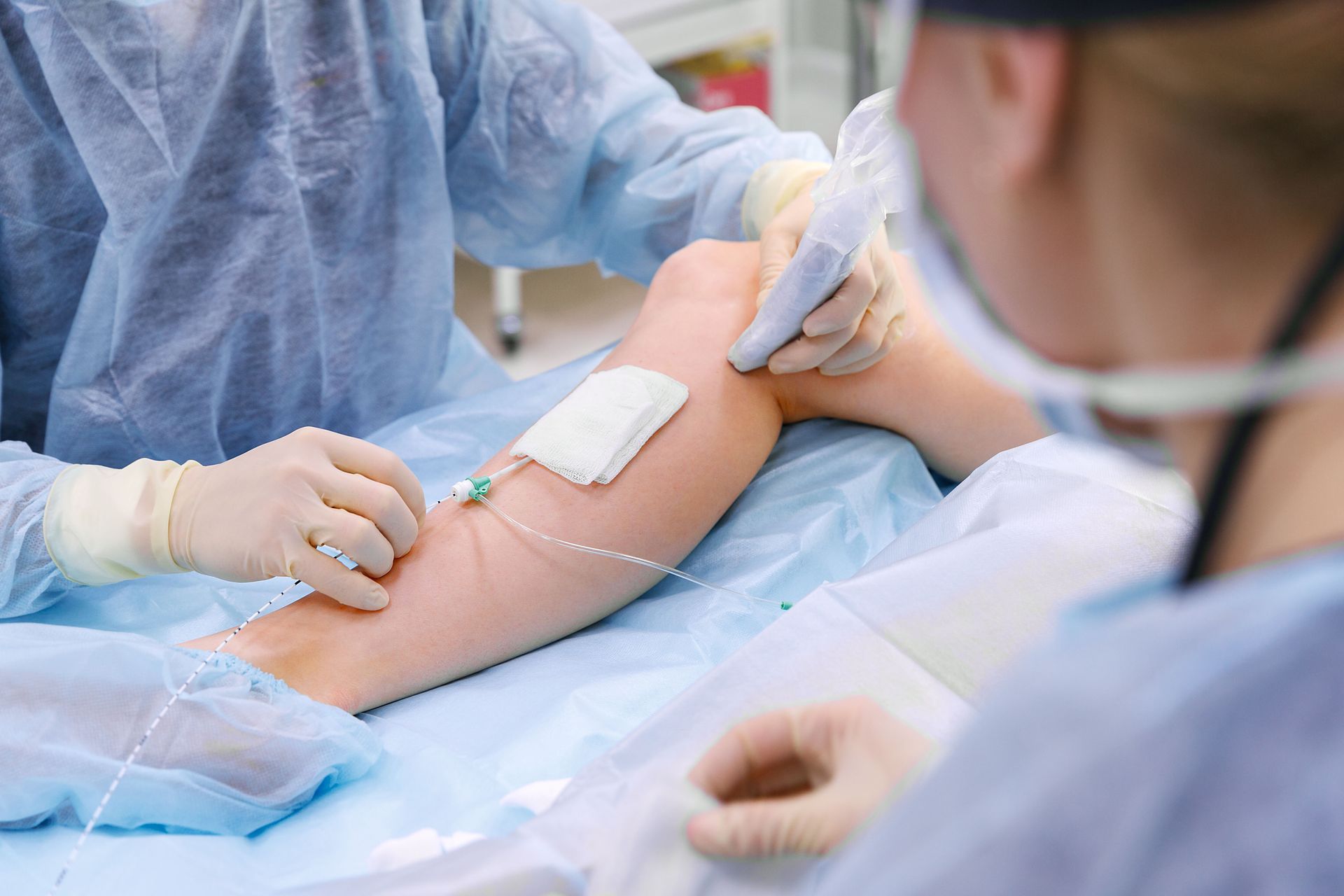
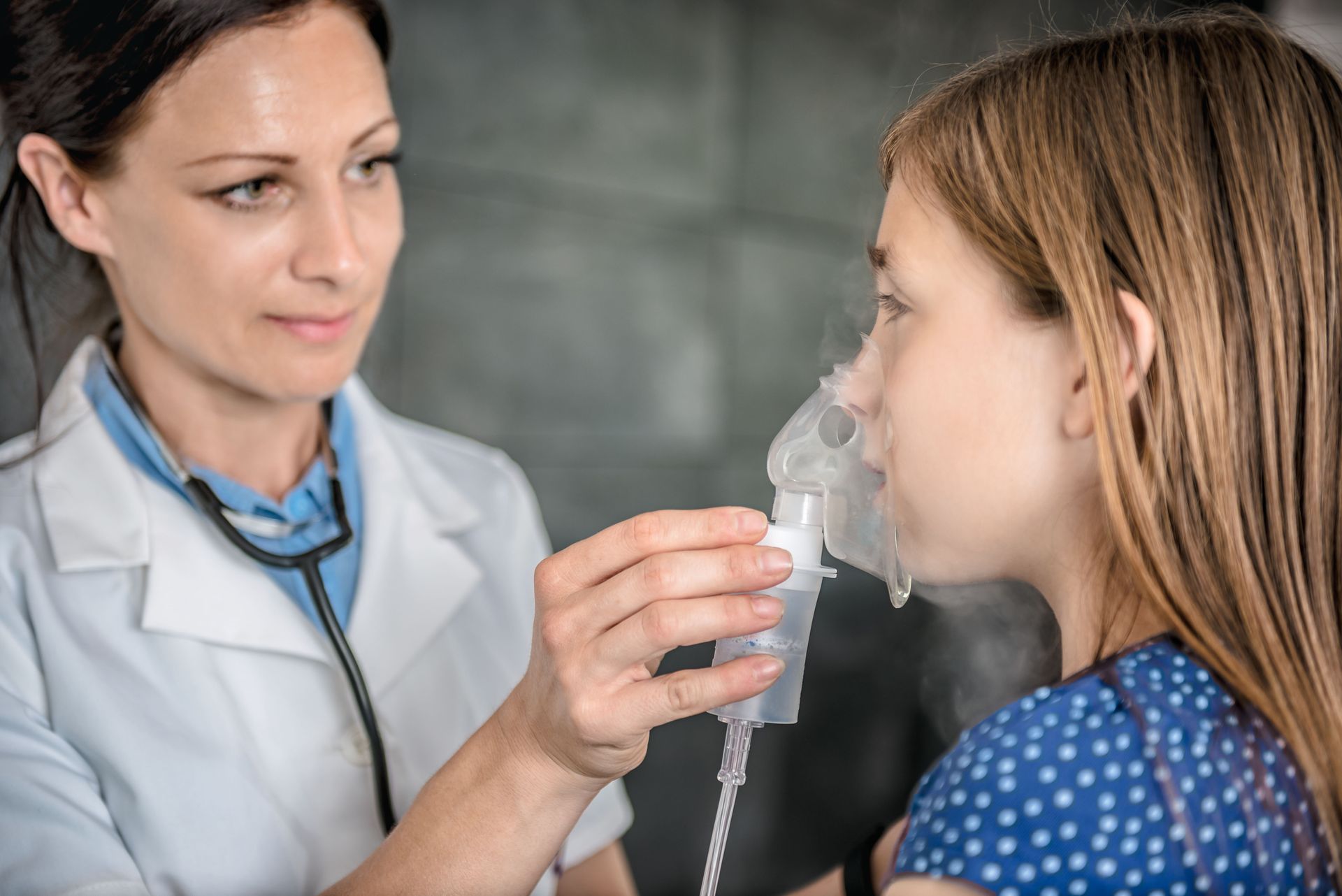
Once healthcare professionals establish a diagnosis, treatment focuses on stabilizing patients and addressing immediate medical concerns. Initial interventions may involve cardiopulmonary resuscitation, oxygen administration, intravenous fluids, or bleeding control. These procedures help protect vital bodily functions while medical teams determine additional treatment requirements.
Medication management represents another essential responsibility. Emergency physicians prescribe medications to address pain, infections, allergic reactions, and other urgent conditions. Nurses and pharmacists follow established safety procedures to verify medication selection, dosage, and administration methods. Careful monitoring helps identify adverse reactions and determine whether treatment adjustments are necessary.
Complex medical conditions sometimes require consultations with specialists, including cardiologists, neurologists, and surgeons. An emergency hospital coordinates these consultations to provide comprehensive treatment when specialized expertise is necessary. Effective collaboration between departments can improve treatment efficiency and support timely medical decisions.
Patient monitoring continues throughout the treatment process. Healthcare professionals regularly assess vital signs, consciousness levels, and responses to medications. Continuous observation allows medical teams to recognize complications early and modify treatment plans accordingly.
Strengthening Communication and Healthcare Coordination
Effective communication is essential for maintaining patient safety and coordinating emergency medical services. Physicians, nurses, technicians, and support personnel must exchange accurate information throughout each stage of treatment. Structured communication methods help prevent misunderstandings and ensure important medical details reach appropriate team members.
Coordination with laboratory departments, imaging specialists, and inpatient units also supports efficient patient care. Electronic health records allow authorized healthcare professionals to access relevant information and document treatment decisions. These systems can reduce administrative delays and improve continuity between departments.
Patient and family communication deserves equal attention. Healthcare professionals should explain medical conditions, diagnostic procedures, and treatment recommendations using understandable language. Providing regular updates helps reduce uncertainty and encourages patients to participate in healthcare decisions.
Digital communication platforms further support information sharing, although privacy protections remain essential. Hospitals must maintain secure systems and follow applicable regulations when managing sensitive patient information. Strong communication practices contribute to safer treatment environments and more coordinated healthcare delivery.
Addressing Patient Overcrowding and Resource Limitations
Patient overcrowding remains one of the most significant challenges facing emergency departments. High patient volumes can increase waiting times, strain available equipment, and place additional pressure on medical professionals. According to Statista, there are approximately 411 visits to the emergency room per 1,000 people each year in the United States. This substantial demand for emergency medical services highlights the importance of efficient patient management, adequate staffing, and effective resource allocation. Seasonal illnesses, community emergencies, and limited inpatient bed availability may further complicate operations.
Patients with non-emergency conditions may benefit from primary care offices or urgent care centers when appropriate. However, individuals experiencing potentially life-threatening symptoms should seek emergency medical attention immediately. Public education about available healthcare options can support informed decisions without discouraging necessary emergency visits.
Improving Patient Safety and Treatment Quality
Patient safety depends on consistent medical protocols, accurate documentation, and ongoing professional education. Emergency departments establish procedures for infection prevention, medication administration, equipment maintenance, and clinical decision-making. These standards help reduce preventable complications and promote reliable healthcare services.
Regular staff training strengthens the ability to respond effectively during high-pressure situations. Simulation exercises allow medical professionals to practice resuscitation techniques, emergency communication, and coordinated treatment responses. Reviewing previous cases also helps identify opportunities for improving procedures.
Quality improvement initiatives frequently examine treatment delays, patient outcomes, and communication effectiveness. An emergency hospital can use these findings to refine workflows and strengthen patient-centered care. Feedback from patients and healthcare professionals provides additional perspectives on operational performance.
Maintaining a culture of accountability encourages staff members to report concerns and participate in improvement efforts. Continuous evaluation helps healthcare organizations adapt to changing medical standards while supporting safer treatment experiences.
Integrating Technology Into Emergency Healthcare
Technological advancements continue transforming emergency medical services by improving information accessibility and supporting clinical decisions. Electronic health records streamline documentation, while automated monitoring systems help healthcare professionals track patient conditions. These innovations can reduce administrative burdens and support more efficient treatment coordination.
Telemedicine offers additional opportunities for obtaining specialist consultations, particularly in communities with limited access to specialized medical professionals. Remote consultations can assist emergency physicians in evaluating certain conditions and determining appropriate next steps.
Understanding how emergency departments operate provides valuable insight into the complexity of urgent medical care. From triage and diagnostics to treatment and discharge planning, every stage requires careful coordination and professional expertise. By addressing operational challenges, strengthening patient safety, and adopting appropriate innovations, emergency healthcare providers can continue improving the quality and accessibility of essential medical services. Contact our team at Family Emergency Room at Georgetown today and learn more about our hospital services.









Share On: