
Why High-Risk Age Groups Rely on Local Emergency Services
When a medical crisis strikes, every single second counts. This universal truth becomes exponentially more critical when the patient falls into a high-risk age bracket. For parents of fragile infants or adult children caring for elderly parents, the sudden onset of severe symptoms can induce sheer panic. During these terrifying moments, having immediate access to dependable, highly skilled medical care is not just a modern convenience; it is very often a matter of life and death. The vibrant community of Georgetown, Texas, understands this reality well.
We have seen firsthand exactly how vital rapid response times are for vulnerable populations. The deep reliance on local emergency services is primarily driven by the unique physiological vulnerabilities found at the opposite ends of the human lifespan. Whether it is a newborn battling a sudden, spiking fever or a senior citizen experiencing the terrifying early signs of a stroke, these demographics simply do not have the luxury of waiting. They require immediate, specialized attention from board-certified physicians who thoroughly understand their nuanced medical presentations. In this comprehensive guide, we will explore why these specific populations are at such an elevated risk, how our dedicated facility caters to their urgent needs, and why prompt intervention is always the cornerstone of positive health outcomes.
Understanding the Needs of Our Youngest Patients
Infants, particularly those under the age of one, present a very specific set of medical challenges that differentiate them heavily from older children and adults. Their young immune systems are still rapidly developing, leaving them highly susceptible to viral and bacterial infections that can escalate with alarming speed. Furthermore, infants cannot communicate their physical symptoms verbally. A severe ear infection, a dangerous respiratory condition like RSV, or a potentially life-threatening intestinal blockage might all present initially as simple fussiness or crying. It is entirely up to the medical professionals to interpret these non-verbal cues accurately and quickly. This high level of vulnerability is clearly reflected in national health data.
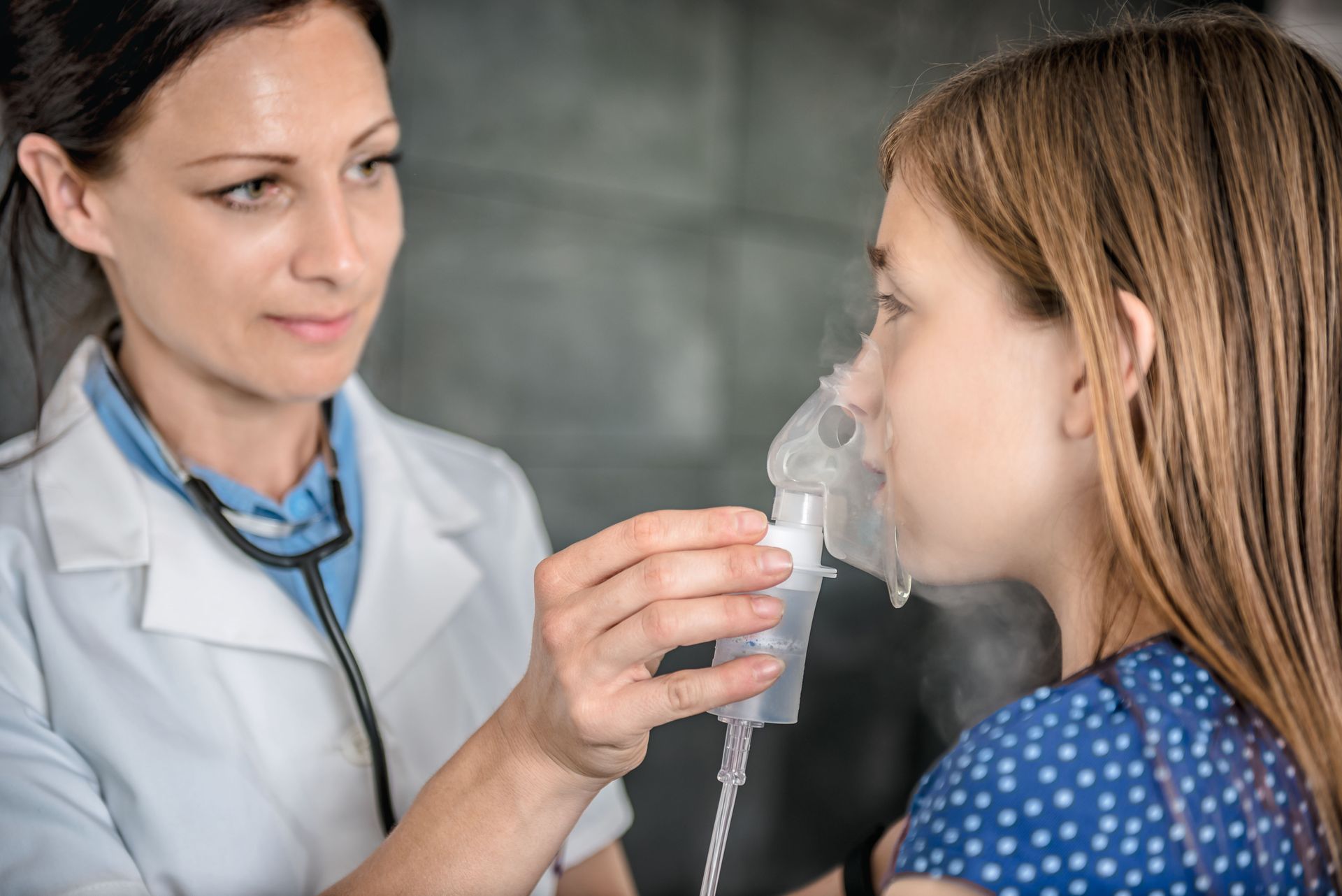
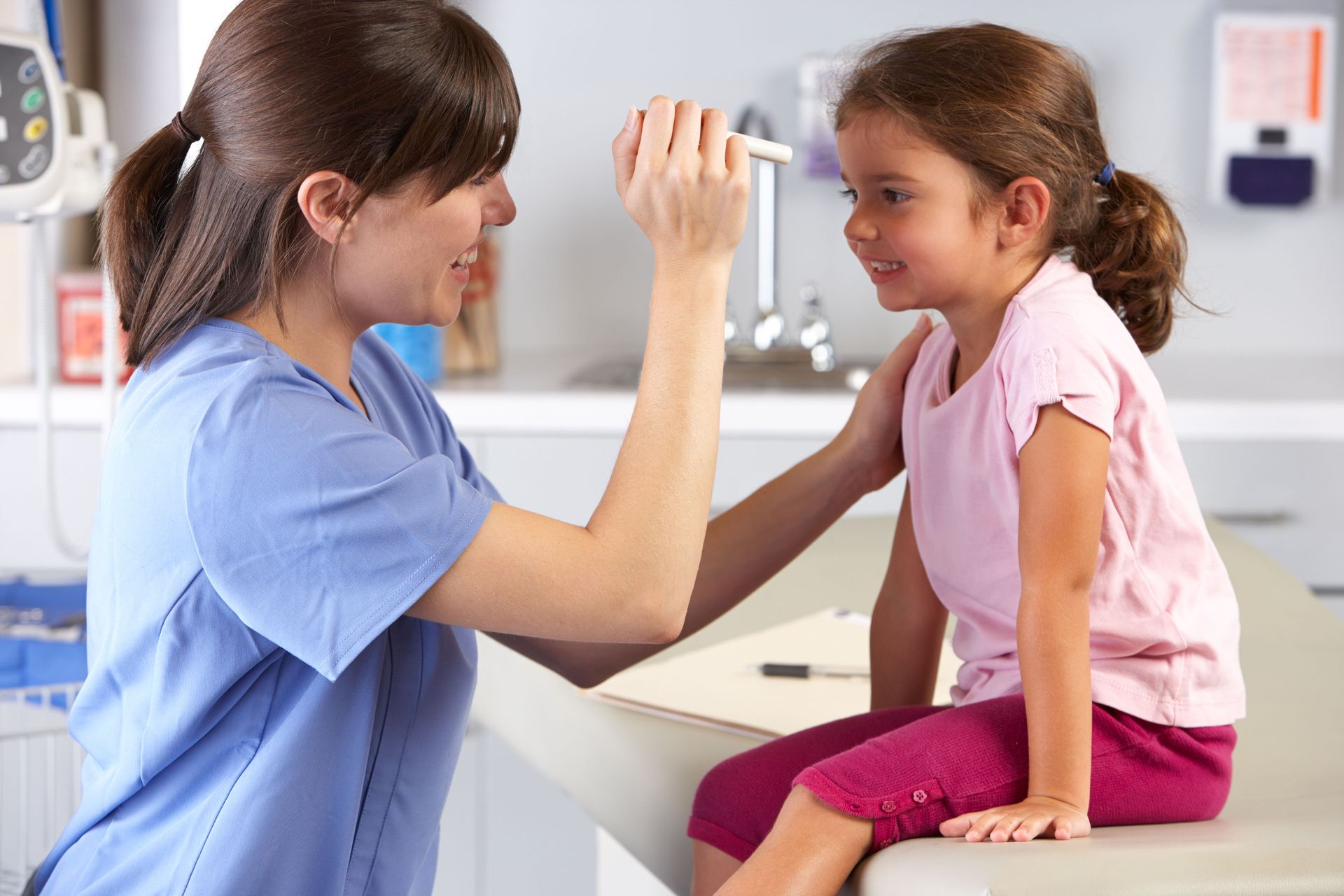
According to the CDC, emergency room visits peak among infants under age 1 (103 per 100) and adults 75 and older (66 per 100). When an infant's temperature spikes dangerously above 100.4 degrees Fahrenheit, or when they show distinct signs of severe dehydration, respiratory distress, or unusual lethargy, parents instinctively turn to local emergency services for immediate reassurance and expert medical intervention. Our medical staff is extensively trained to handle complex pediatric emergencies with the utmost care, compassion, and clinical precision. We know that treating an infant also means treating the parents—alleviating their profound anxiety by providing clear communication and swift, effective treatments in a calming environment.
Addressing the Complexities of Our Oldest Patients
On the exact opposite end of the human spectrum, elderly patients—specifically those aged 75 and older—represent another major demographic that relies heavily on immediate, advanced medical care. As the human body ages, it naturally loses some of its physiological reserves. Vital organs become less resilient, immune responses slow down significantly, and the presence of multiple chronic conditions (comorbidities) becomes the norm rather than the exception. A senior patient presenting with a sudden illness very often has a complex medical history involving diabetes, hypertension, heart disease, or chronic obstructive pulmonary disease (COPD). Because of these compounding underlying factors, a seemingly minor issue like a common urinary tract infection or a mild respiratory virus can rapidly deteriorate into a life-threatening systemic infection or sepsis.
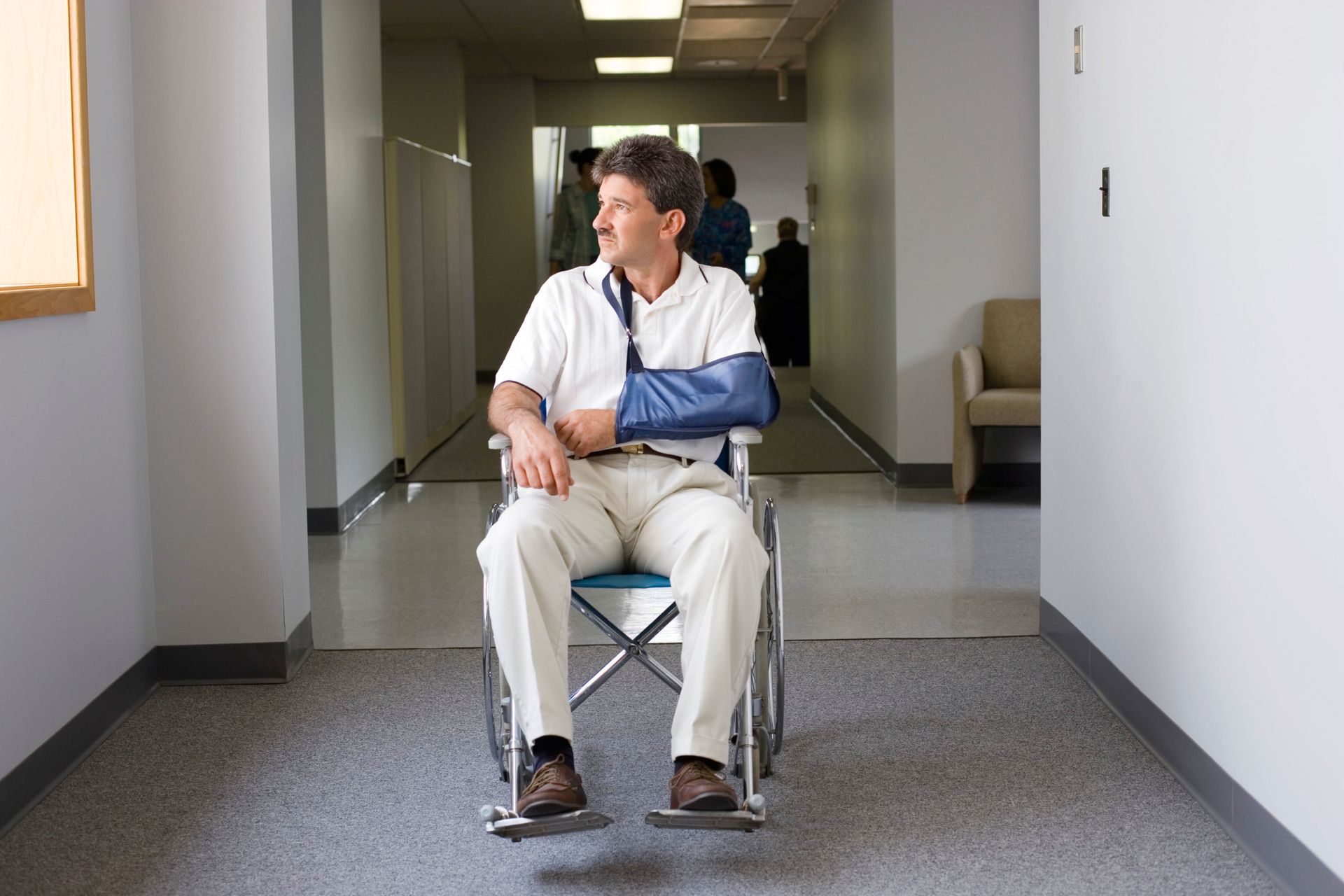
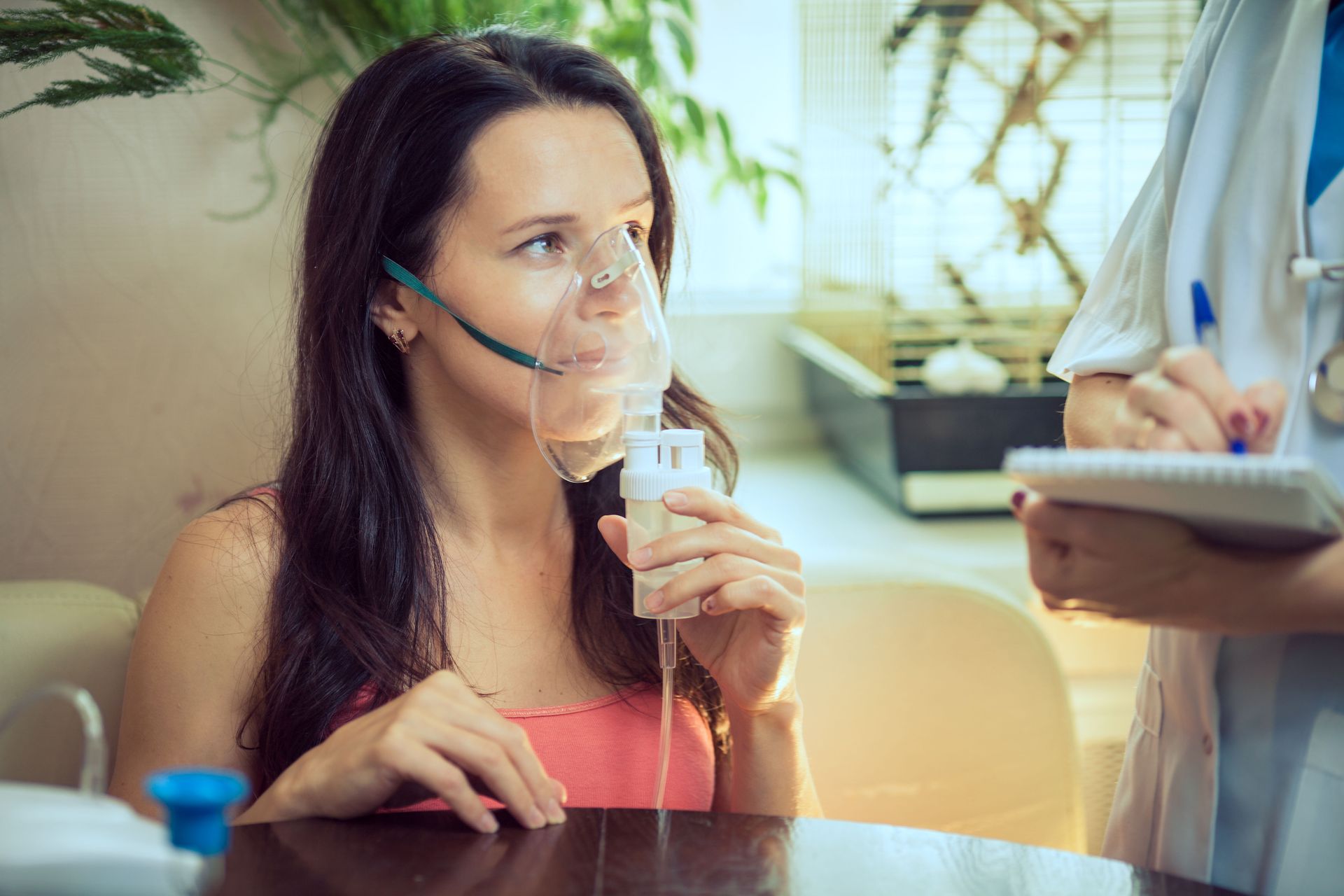
Consequently, the threshold for seeking urgent medical care is understandably much lower for this specific age group. When a senior experiences sudden chest pain, shortness of breath, unexplained mental confusion, or a heavy fall resulting in a suspected bone fracture, calling upon local emergency services is without a doubt the safest and most prudent course of action. In these critical scenarios, time is tissue. Prompt intervention is absolutely paramount for preserving their quality of life. Furthermore, seniors often face significant mobility challenges or lack immediate access to transportation, making the physical proximity of local emergency services absolutely crucial. We pride ourselves on offering a zero-wait-time environment, which is especially beneficial for elderly patients who may be experiencing acute pain and cannot endure the long hours traditionally associated with crowded hospital waiting rooms.
Recognizing the Value of Proximity and Speed
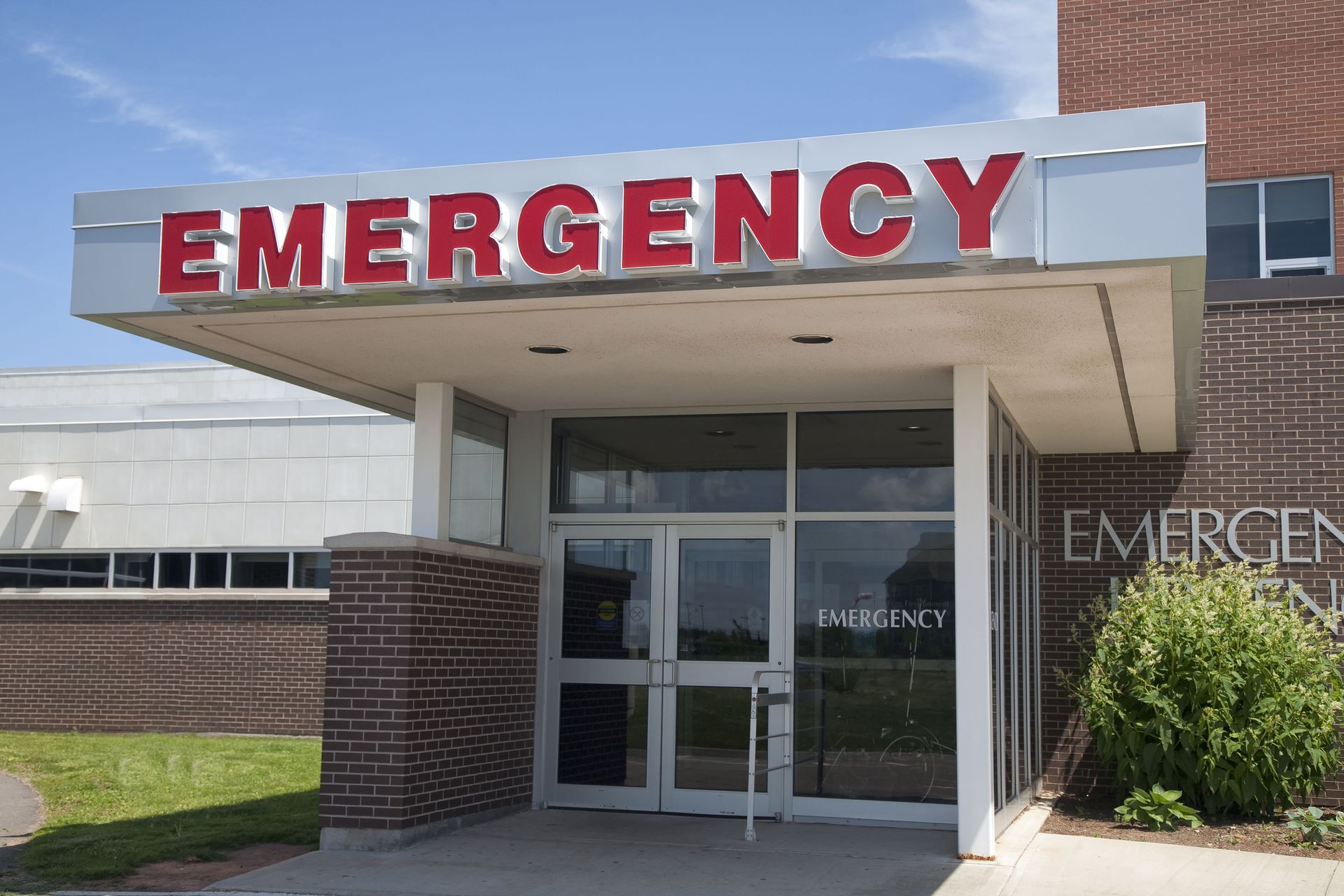
When dealing directly with the fragile physiologies of both infants and the elderly, the geographical location of the medical facility plays a monumental role in the overall outcome of the patient. During a severe medical event, the precious time spent in a vehicle traveling to a distant, centralized hospital can allow a manageable condition to spiral completely out of control. This is the primary reason why high-risk age groups are so thoroughly dependent on local emergency services. A freestanding emergency center embedded directly within the local community fundamentally bridges the gap between the onset of a health crisis and the administration of life-saving care. Proximity equals speed, and speed equates to significantly better survival rates and reduced long-term health complications.
For a terrified parent holding a convulsing toddler experiencing a febrile seizure, a ten-minute drive versus a forty-minute drive is a monumental difference. Similarly, for an elderly stroke victim, every single passing minute without oxygenated blood to the brain results in the irreversible loss of millions of neurons. Having a fully equipped emergency room right in your own neighborhood ensures that these critical golden windows for treatment are never missed. The peace of mind that comes from knowing a state-of-the-art facility is just around the corner is completely immeasurable for families caring for high-risk individuals.
Navigating the Benefits of Specialized Facilities
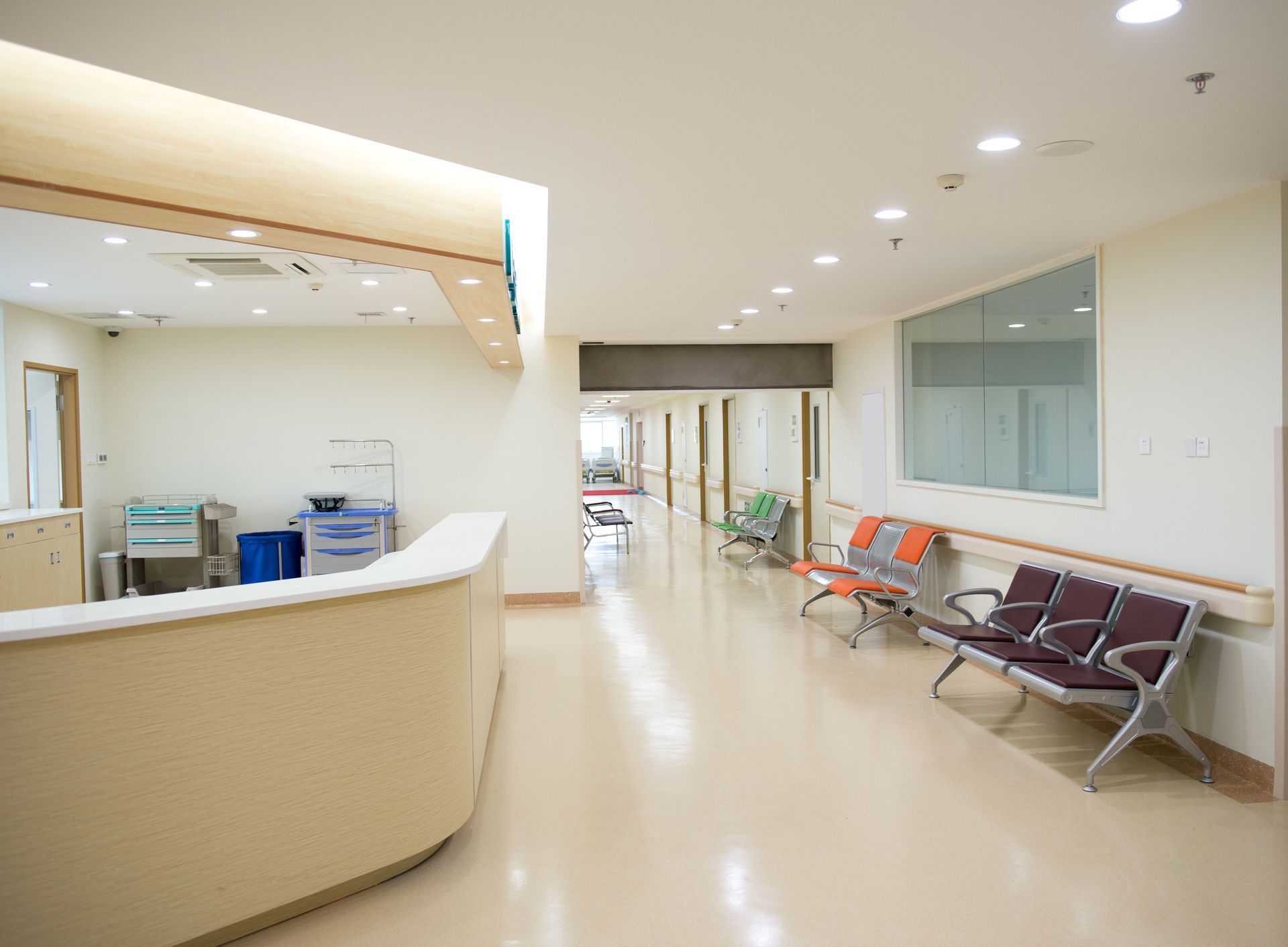
Not all medical facilities are created equal, and when it comes to treating the youngest and oldest members of our society, the physical environment and the available medical technology matter immensely. Traditional hospital-based emergency rooms are often highly overwhelmed, leading to chaotic public waiting areas, extended triage times, and a vastly increased risk of exposure to secondary infections. This is a particularly dangerous prospect for an infant with a developing immune system or a senior with a heavily compromised one. This is exactly where community-focused local emergency services truly excel.
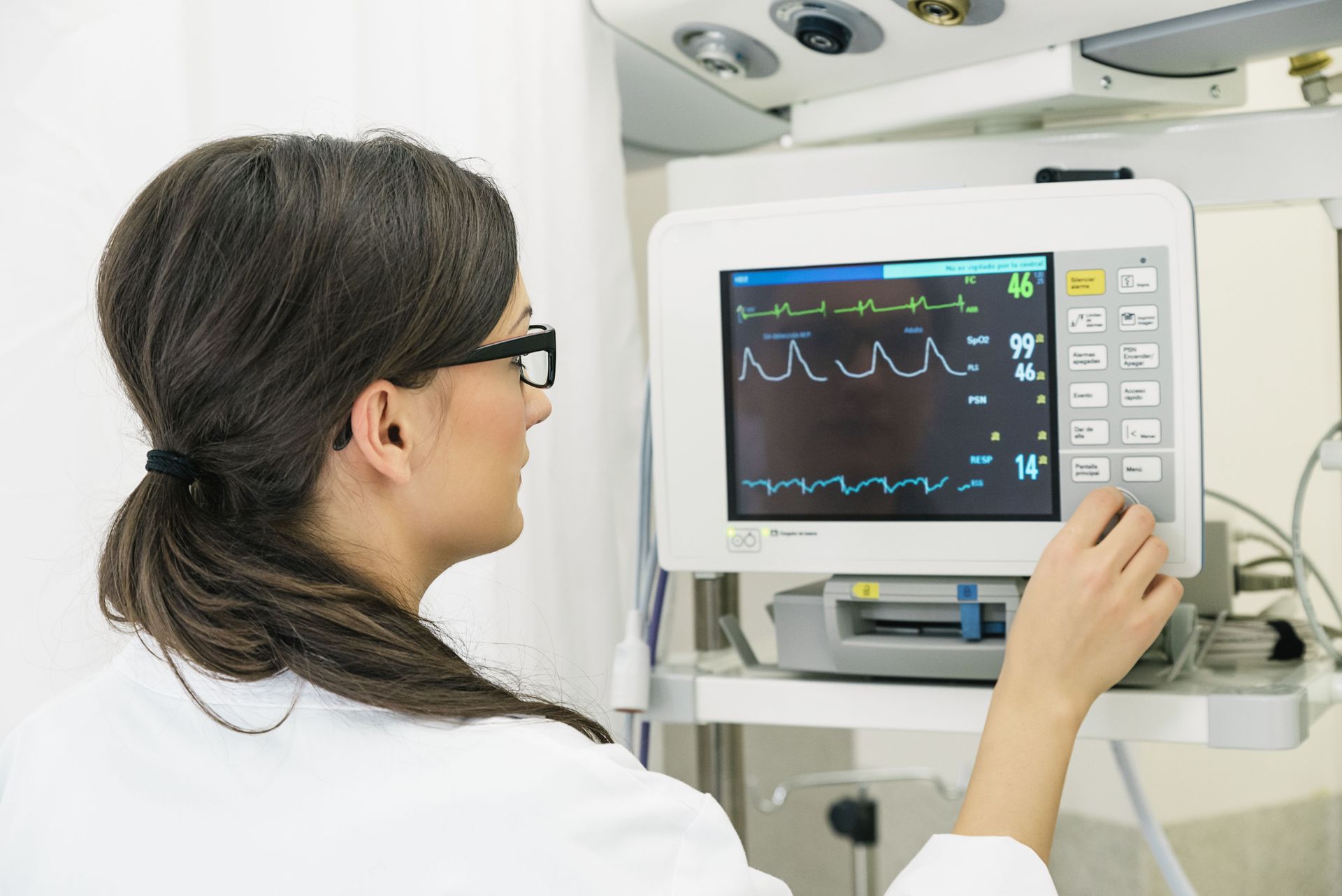
Freestanding emergency rooms are uniquely positioned to offer an elevated standard of concierge-level care. Our facility is fully equipped with advanced diagnostic imaging, including high-resolution CT scanners, digital X-rays, and ultrasound equipment, as well as a fully functioning, on-site, certified laboratory. This means we can run comprehensive blood panels, process lab cultures, and obtain internal imaging within minutes, not hours. For an elderly patient with internal bleeding from a fall or an infant with a suspected pediatric appendicitis, rapid diagnostics are the master key to rapid resolutions. Furthermore, our private, comfortable treatment rooms help dramatically reduce the sensory overload and stress typically associated with a traditional hospital visit, creating a much more soothing environment for easily agitated infants or easily confused seniors.
Prioritizing the Need for Uncompromised Quality Care
Ultimately, the heavy, ongoing reliance on immediate medical intervention for extreme age groups boils down to the relentless pursuit of uncompromised, high-quality healthcare. These vulnerable demographic groups require physicians who are not just clinically competent, but who possess a deep, highly specialized understanding of both pediatric and geriatric emergency medicine. They absolutely need nurses who can confidently and gently place an IV in the tiny vein of a dehydrated baby, as well as medical staff who know exactly how to safely mobilize a senior patient with brittle bones. This exceptional level of tailored, specialized care is exactly what defines top-tier local emergency services.
Trusting Your Community Healthcare Providers
In conclusion, the clinical statistics paint a very clear and compelling picture of healthcare utilization in the United States today. The extreme physical vulnerabilities inherent in early infancy and late adulthood create an undeniable and constant need for rapid, highly reliable medical intervention. When a severe medical anomaly arises, families simply cannot afford costly delays, frantic misdiagnoses, or prolonged exposure to crowded public waiting areas. They desperately need the reassurance, the incredible speed, and the clinical excellence provided by exceptional local emergency services. Family Emergency Room at Georgetown stands proudly as a steadfast pillar of health and safety for our community, offering 24/7, concierge-level emergency care without the agonizing wait times.








Share On: