
Why Your Local Urgent Care Needs to Specialize in Pediatrics
Pediatric healthcare represents a foundational pillar of medicine, emphasizing the specific physical and emotional requirements of children from early infancy through late adolescence. Because a child's anatomy demands specialized knowledge, generalized evaluations frequently overlook subtle symptoms. Parents often rely on a local urgent care clinic when sudden illnesses strike outside regular office hours, seeking swift evaluation. However, typical community medical centers often lack the specialized pediatric expertise required to address these delicate situations appropriately.
This gap highlights a significant demand for community clinics to focus deeply on pediatric training and specialized infrastructure. When medical facilities prioritize specialized pediatric services, they bridge the gap between standard emergency rooms and primary care offices. Ensuring that young patients receive tailored evaluations improves clinical outcomes and builds lasting community trust. By transforming standard clinics into child-focused centers, healthcare networks properly safeguard the health of developing children throughout the community.
Recognize Unique Pediatric Health Needs
Children possess distinct anatomical profiles and changing developmental milestones that differentiate them completely from adult patients. Medical conditions manifest differently in toddlers compared to teenagers, requiring clinicians to have advanced knowledge of pediatric growth patterns. Common respiratory issues or ear infections can escalate rapidly in an infant, necessitating precise diagnostic approaches. When a local urgent care employs professionals who understand these physiological differences, young patients receive safer and more accurate clinical interventions.
Psychological factors play a massive role in pediatric medicine, as clinical environments frequently induce anxiety in young children. Children require patient communication and gentle approaches to feel secure during stressful medical evaluations. According to the National Library of Medicine, contemporary research demonstrates that youth typically begin developing the capacity to navigate their personal medical choices around the age of 12 or 13. Cultivating a supportive environment helps prepare these young individuals for a lifetime of positive healthcare interactions.
Maximize Specialized Treatment Benefits
Dedicated pediatric specialization leads directly to superior health outcomes by ensuring highly accurate diagnoses and tailored treatment pathways. Pediatric specialists precisely calibrate medication dosages based on weight brackets and metabolic differences rather than relying on adult standards. This clinical precision reduces the risk of adverse drug reactions and ensures a faster recovery process for the child. Promptly identifying specialized conditions prevents minor childhood ailments from developing into severe chronic medical issues later in life.
Beyond clinical accuracy, a specialized local urgent care center alleviates the immense stress and anxiety experienced by worried parents. Families find comfort in knowing that their children are under the supervision of experts who understand pediatric medicine deeply. This specialized environment fosters long-term trust, encouraging families to seek timely medical attention without hesitation. As a result, the community benefits from a proactive, responsive, and compassionate approach to juvenile emergency medicine.
Resolve Existing Care Gaps
Standard community clinics frequently face severe limitations when managing complex pediatric emergencies due to a lack of specialized child-sized equipment. When a generic local urgent care clinic handles young patients, providers might lack appropriately sized diagnostic tools, leading to potential misdiagnoses. These systemic limitations can result in unnecessary transfers to distant emergency departments, causing financial strain and prolonged distress for families. Addressing these equipment gaps ensures that children receive immediate, high-quality interventions close to home.
Non-specialized clinical encounters can create lasting negative psychological impacts, causing children to develop severe phobias of medical professionals. When providers lack training in child psychology, medical examinations can become traumatizing events that deter future healthcare utilization. Case evaluations reveal that generalized environments frequently misinterpret pediatric respiratory distress symptoms, which prolongs the child's illness unnecessarily. By establishing dedicated pediatric services, medical centers eliminate these clinical oversights and protect children from adverse medical experiences.
Implement Tailored Emergency Protocols
Successfully executing pediatric specialization requires a strategic, long-term commitment to comprehensive clinical training and specialized staff recruitment models. Medical clinics must prioritize hiring board-certified pediatric nurse practitioners and physicians who possess extensive experience in juvenile medicine. Continuous education programs ensure that the clinical team remains updated on the latest pediatric guidelines and evidence-based treatment modalities. This clinical expertise allows the staff to handle complex pediatric emergencies with absolute confidence and precision.
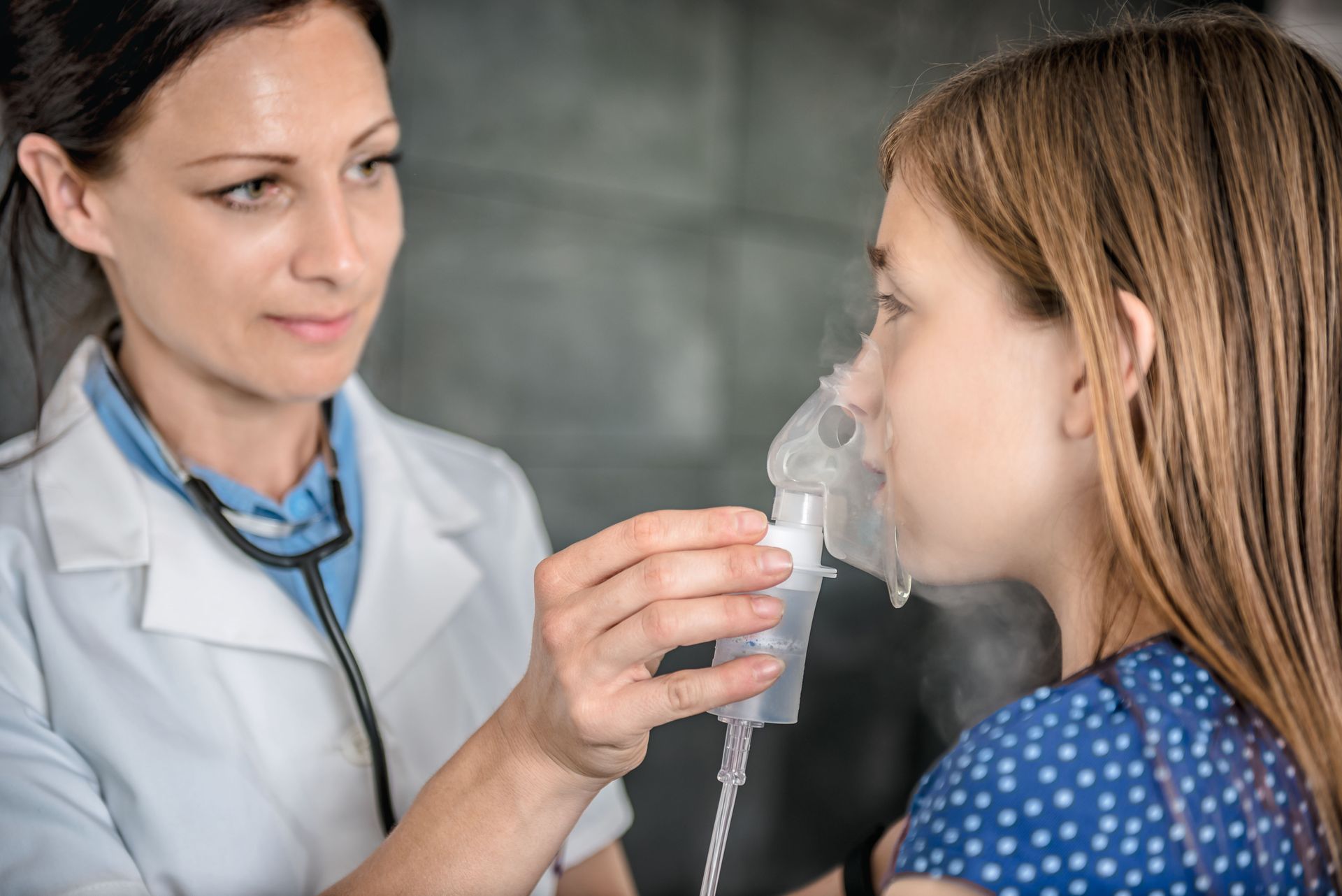
In addition to staffing, clinics must remodel physical spaces to incorporate colorful, child-friendly designs and specialized medical instruments. Transforming standard treatment areas into welcoming environments significantly reduces fear and secures better cooperation during diagnostic procedures. A specialized local urgent care should establish clear, evidence-based clinical protocols designed specifically for common childhood emergencies like asthma attacks or high fevers. These rigorous standards ensure consistent care delivery while optimizing clinical efficiency during critical moments.
Adopt Successful International Models
Examining successful global healthcare systems provides invaluable operational insights into the value of integrated pediatric emergency networks. Several nations prioritize dedicated pediatric paths within their immediate care systems, resulting in high patient satisfaction rates. These international frameworks utilize specialized telemedicine consultations and innovative child centric diagnostic technologies to streamline the patient experience. Embracing these proven global methods allows community clinics to elevate operational standards and deliver superior medical services to local families.
Adapting global best practices to domestic clinical settings requires a deeply nuanced understanding of community demographics and regional healthcare regulations. Cross-cultural training for providers represents another vital element borrowed from successful international models, ensuring inclusive care for diverse populations. When clinicians understand cultural nuances, they communicate effectively with parents, securing better compliance with prescribed treatment plans. Implementing these sophisticated international concepts helps community clinics build robust, highly responsive pediatric medical frameworks.
Transform Future Urgent Care Standards
The future of pediatric medicine relies heavily on rapid technological advancements, including artificial intelligence diagnostics and advanced wearable monitors. These cutting-edge tools allow a local urgent care to detect subtle physiological changes in young children faster than traditional methods. As medical technology evolves, families expect sophisticated, efficient, and transparent clinical experiences for their young children. Integrating these digital solutions ensures that medical providers deliver real-time updates and highly personalized treatment pathways to anxious caregivers.
Emerging healthcare policy shifts emphasize the critical, long-term importance of dedicated pediatric standards within community medical networks. Anticipated regulatory adjustments will likely mandate specific pediatric certifications and specialized equipment frameworks for all immediate care clinics. Forward-thinking healthcare organizations capitalize on these trends by investing heavily in state-of-the-art pediatric facilities and specialized staff development. This proactive investment creates a seamless, integrated healthcare system that prioritizes the unique medical needs of children above all else.
Selecting the right medical facility for an ill or injured child remains a critical, highly stressful decision a parent can make. Standard medical facilities often lack the specialized knowledge, distinct protocols, and child-friendly environments necessary to treat young patients effectively. Choosing a specialized local urgent care ensures that your child receives precise, compassionate, and age-appropriate medical treatment from dedicated experts. By prioritizing pediatric specialization, community clinics elevate the standard of healthcare, ensuring a healthier future for the younger generation.
Ensuring your child's well-being requires access to high-quality emergency services tailored specifically to their unique developmental and physiological needs. Our dedicated team understands the challenges parents face during unexpected medical crises, and we stand ready to deliver exceptional clinical care. We encourage you to trust our experienced pediatric professionals to provide the gentle, expert care your family deserves during critical moments. Please visit us at Family Emergency Room at Georgetown today so we can provide your children with the dedicated, expert medical attention they deserve.











Share On: