
How to Best Utilize Your Local Urgent Care Center
Access to dependable, rapid medical evaluation has become a fundamental necessity for modern households managing unexpected illnesses and painful injuries. Community urgent care centers function as vital intermediaries across our contemporary healthcare landscape, successfully bridging the wide clinical gap between standard primary care doctors and high-intensity hospital emergency rooms. Navigating these accessible outpatient clinics effectively empowers individuals to secure prompt medical intervention without facing the prolonged wait times or prohibitive costs typical of traditional emergency departments. Understanding when, why, and how to utilize neighborhood clinics ensures that you receive top-tier treatment while keeping hospital resources available for life-threatening crises.
The sustained expansion of local clinics reflects an evolving patient demand for flexible, high-caliber outpatient services that accommodate hectic personal and professional schedules. Most neighborhood locations welcome unscheduled walk-in patients, maintain extended operating hours through evenings and weekends, and house comprehensive on-site diagnostic equipment. Nevertheless, capitalizing on these convenient healthcare benefits requires active preparation, an understanding of clinical triage, and clear communication with medical providers. This detailed guide explores how to optimize your clinical visits, navigate health insurance protocols, and leverage innovative patient technologies to guarantee superior health outcomes for your entire family.
Understanding the Role of Modern Urgent Care
Community outpatient centers are specialized medical clinics specifically equipped to deliver immediate, non-emergent clinical care for acute injuries and sudden illnesses. Rather than requiring appointments booked weeks in advance, these walk-in practices handle immediate health disruptions such as lacerations, sprains, moderate asthma flare-ups, and painful ear infections. In contrast to high-acuity hospital departments designed for extreme physiological trauma and resuscitation, neighborhood clinics focus on stabilizing and treating conditions that demand rapid relief but lack imminent mortality risks. Recognizing this fundamental distinction allows families to bypass crowded hospital waiting rooms, drastically lowering personal stress and mitigating overwhelming medical bills.
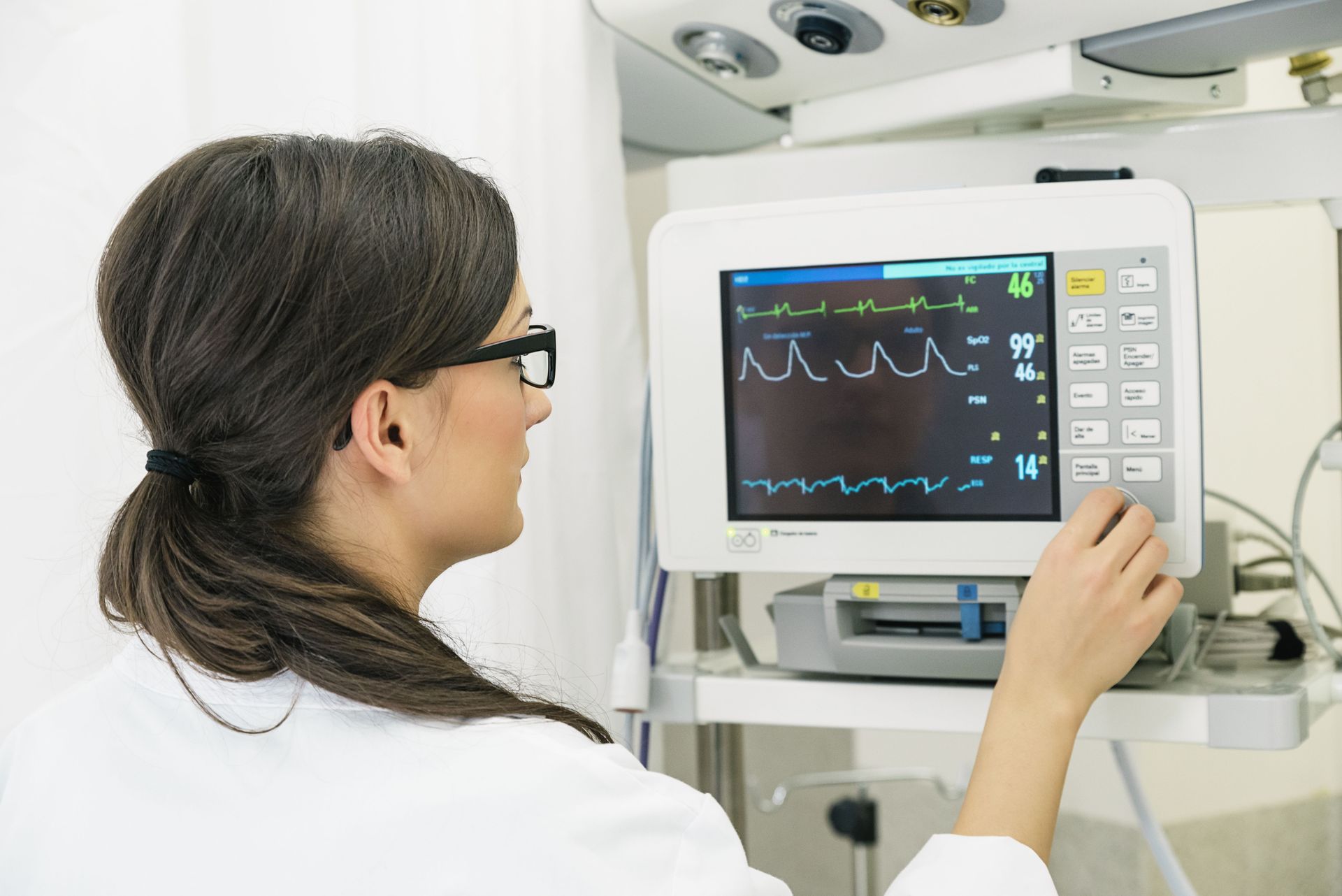
The clinical scope of local facilities extends far beyond straightforward first-aid treatments to encompass full-scale diagnostic evaluations and targeted wellness therapies. Modern clinics employ licensed physicians, certified physician assistants, and experienced nurse practitioners who analyze digital X-rays and run point-of-care lab panels within minutes. Furthermore, these centers regularly supply proactive preventative care, administering annual influenza immunizations, school athletic physicals, and specialized occupational medicine screenings. Relying on community clinics for routine acute illnesses creates a smoother care journey, especially for busy working parents. According to Yahoo Finance, about 43% of children receive treatment at an urgent care center annually rather than through their primary care provider.
Recognizing the Symptoms Requiring Immediate Attention
Identifying the precise threshold where symptoms require outpatient intervention is essential for seeking the correct level of medical assistance. Everyday ailments suitable for local clinics include persistent low-grade fevers, sinus infections, uncomplicated urinary tract discomfort, painful joint sprains, and minor skin burns. Because these issues can deteriorate rapidly if neglected, choosing accredited urgent care services allows patients to obtain prescription therapeutics and clinical wound dressing before minor problems escalate into systemic emergencies. In-house diagnostic equipment enables clinical staff to rule out bone fractures and verify bacterial infections on the spot, initiating tailored recovery plans without unnecessary specialist delays.
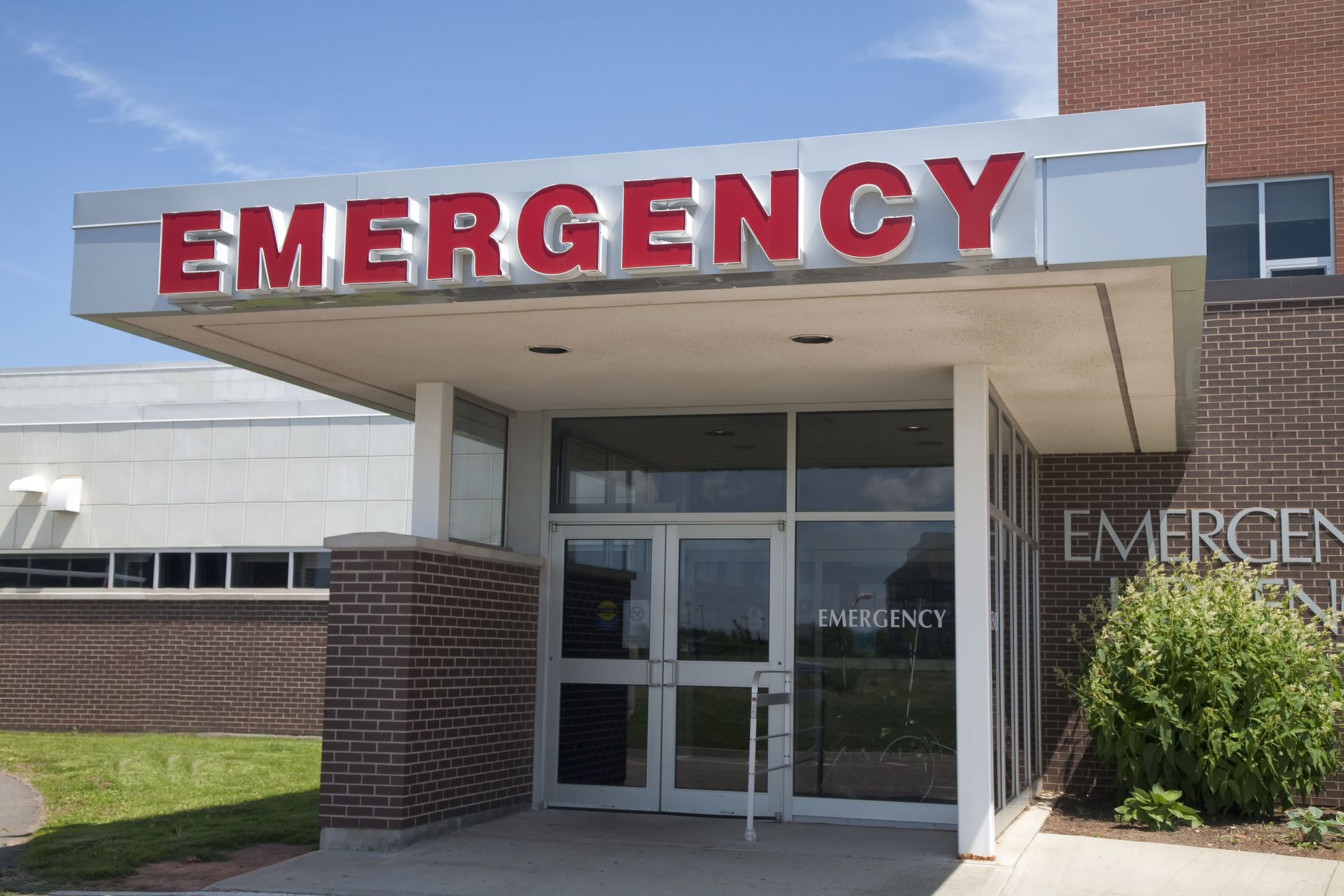
However, recognizing life-threatening red flags that demand an immediate trip to an emergency department or a 911 dispatch is crucial for personal safety. Symptoms such as crushing chest pressure, sudden numbness down the arm, slurred speech, unmanageable hemorrhaging, severe head trauma, or acute breathing distress must always be evaluated in a full-scale hospital setting. Walk-in outpatient centers are fundamentally unequipped to conduct complex surgical procedures, catastrophic cardiac interventions, or intensive inpatient monitoring. Maintaining an accurate inventory of your current symptoms and their duration enables you to choose the safest medical facility, ensuring critical trauma cases retain unrestricted access to emergency infrastructure.
Preparing the Documents for an Efficient Visit
Maximizing the efficiency of an unscheduled clinical evaluation begins well before you step through the facility doors. Patients should systematically organize essential documentation, including a government-issued photo identification card, primary health insurance cards, and an exhaustive list of active prescription pharmaceuticals. Transcribing known drug allergies, recent surgical dates, and underlying chronic medical diagnoses into an easily shareable note allows intake staff to accelerate clinical processing. Arriving with verified medical records ensures the treating practitioner understands your baseline health status, which prevents accidental contraindications and expedites targeted prescription therapies.
Proactive verification of insurance coverage and network participation is equally crucial to preventing unexpected out-of-pocket expenses. Most modern clinics maintain extensive contracts with regional and national insurance carriers, yet coverage limits, specialist co-pays, and deductible requirements differ across policies. Contacting your insurer or reviewing the clinic's digital financial portal prior to departure clarifies co-insurance liabilities and accepted payment methods. Being prepared with verified payment details eliminates administrative bottlenecks during intake, enabling nurses and attending clinicians to focus their undivided attention on diagnosing your immediate medical condition.
Communicating Effectively During Your Medical Consultation
Establishing clear, open, and candid dialogue with the attending medical provider is fundamental to receiving an accurate diagnosis and treatment plan. When describing your physical symptoms, clearly explain their exact onset, intensity, and any home remedies or over-the-counter painkillers you have already consumed. Do not hesitate to ask clarifying questions regarding your diagnostic test results, potential medication side effects, and estimated recovery timelines. Developing a collaborative relationship with the examining clinician ensures that your personal preferences and physical comfort remain central to every therapeutic decision made during the examination.
Securing optimal health outcomes also demands meticulous adherence to the medical instructions and medication regimens provided at discharge. Patients who take antibiotics intermittently or prematurely terminate prescribed medications risk chronic infection recurrences and dangerous antimicrobial resistance. Additionally, make sure to clarify all required follow-up instructions, such as suture removal schedules, wound dressing changes, or primary physician check-ins. If your symptoms worsen or fail to show clear improvement within the specified recovery window, contact the clinic immediately for secondary evaluation, as diligent patient follow-through is vital for achieving full physical recovery.
Selecting the Right Community Health Partner
Selecting a reputable neighborhood medical provider requires evaluating clinical accreditations, practitioner qualifications, and the facility's overall scope of treatment capabilities. Distinguished outpatient centers hold formal certifications from national organizations like the Urgent Care Association, demonstrating adherence to strict clinical safety benchmarks, hygiene standards, and operational guidelines. Furthermore, look for centers staffed by board-certified emergency medicine or family practice clinicians who possess extensive experience managing acute pediatric and adult issues. Choosing a fully licensed facility ensures that your household receives hospital-level clinical judgment delivered within a comfortable, community-focused setting.
Evaluating patient reviews and inspecting a clinic's technological capabilities will also reveal its reliability during unforeseen medical events. Leading practices stand out by maintaining clean clinical suites, utilizing state-of-the-art diagnostic imaging tools, and showing a proven record of compassionate patient engagement. Whether managing sudden athletic sprains, persistent seasonal illnesses, or minor lacerations requiring precision sutures, having a trusted outpatient partner relieves immense anxiety during domestic emergencies. Knowing exactly where to access dependable urgent care services protects your household’s long-term wellness and guarantees immediate medical relief whenever unexpected illnesses disrupt your daily routine.
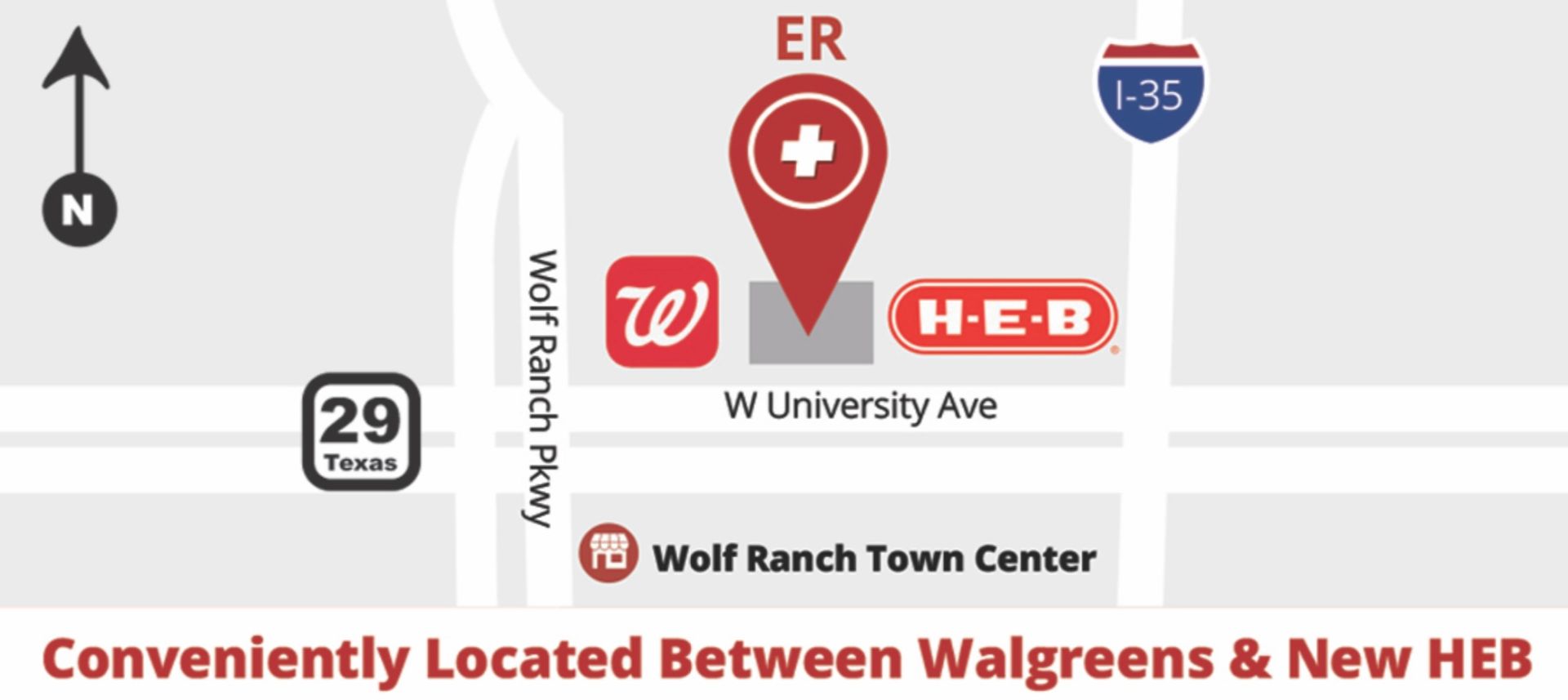
Learning how to navigate and leverage modern walk-in medical facilities provides your family with rapid, affordable, and high-quality clinical care when unexpected ailments strike. By preparing essential personal records, utilizing mobile check-in tools, and understanding the vital distinctions between urgent care and emergency departments, you streamline your recovery and protect critical hospital resources. When your family requires immediate medical attention, reliable diagnostic testing, and compassionate clinical expertise for non-life-threatening emergencies, depend on the board-certified medical professionals at Family Emergency Room at Georgetown to deliver the exceptional care you deserve.










Share On: