
What to Expect During Your First Visit to an Urgent Care Clinic
Your first visit to an urgent care clinic can feel overwhelming if you’re unfamiliar with the process. Understanding what to expect before, during, and after your appointment can make the experience smoother and less stressful. Urgent care bridge the gap between primary care and emergency services, offering timely attention for non-life-threatening conditions. As healthcare becomes more immediate in our fast-paced world, knowing how to navigate an urgent care clinic ensures that you receive prompt, appropriate treatment for your health needs.
Prepare for Your Urgent Care Visit
Choosing the right urgent care clinic is the first step toward a smooth visit. Consider factors like location, hours of operation, and the types of services offered. Some clinics may specialize in pediatric care or orthopedic concerns, while others provide broader services. Checking online reviews and verifying whether the clinic accepts your insurance plan can save time and prevent unexpected expenses. Being deliberate in your choice ensures a more effective experience and a higher quality of care.
Gathering essential documents and information before your visit will also streamline your check-in. Bring a valid photo ID and your insurance card, along with a list of medications, allergies, and any recent medical procedures. If you see a primary care provider or specialists, having their contact information on hand can help the urgent care staff coordinate care. Preparing in advance allows healthcare professionals to deliver efficient, accurate treatment from the start.
Understanding your insurance coverage is equally important. Many urgent cares accept a variety of plans, but coverage for certain procedures or treatments may vary. Knowing your co-pays, deductibles, and plan limits can prevent surprises and help you focus on receiving care rather than worrying about costs. Additionally, deciding whether to schedule an appointment or walk in is another consideration. Walk-in visits are convenient for urgent issues, but some clinics offer online scheduling to reduce wait times. According to the Urgent Care Association, 26.5% of adults have visited an urgent care facility within the past year, highlighting the growing popularity and occasional crowdedness of these clinics.
Before visiting, assess the level of care you need. Urgent cares are ideal for conditions that cannot wait for a primary care appointment but don’t require emergency room attention, such as minor fractures, sprains, cuts, and infections. More severe symptoms, like chest pain or significant trauma, should be directed to an emergency room. Understanding the appropriate level of care ensures you receive timely treatment without unnecessary delays.
Navigate the Check-In Process
When you arrive at an urgent care clinic, you’ll be greeted at reception and asked to complete initial paperwork. This usually involves providing your personal details, reason for the visit, and relevant medical history. Many clinics now offer digital forms, which simplify record-keeping and reduce time spent on data entry. Having your ID and insurance information ready will make this process even smoother.
Providing accurate personal and medical information is crucial. Include details about current medications, allergies, and prior medical procedures. This ensures healthcare providers can offer tailored and effective care. During check-in, you’ll also review consent forms that explain your rights as a patient and the procedures you may undergo. Don’t hesitate to ask questions if anything is unclear; understanding consent is essential for informed decision-making. Insurance verification typically occurs at this stage, ensuring your visit is covered and clarifying any potential out-of-pocket costs. Finally, estimated wait times are communicated, which may vary depending on patient volume and time of day.
Undergo the Evaluation
The evaluation phase begins with triage, usually conducted by a nurse or medical assistant. Vital signs such as blood pressure, temperature, and heart rate are recorded, and questions about your symptoms and medical history help prioritize care. Effective triage ensures that patients with urgent needs are treated promptly. You may interact with various medical staff, including physicians, physician assistants, nurse practitioners, and medical technicians. Each team member has a specific role in providing comprehensive healthcare during your visit.
Diagnostic tests and imaging may be performed depending on your condition. Blood tests, urine analysis, X-rays, or ultrasounds help staff make accurate diagnoses and inform treatment plans. Communicating openly with your provider and asking questions about test results, procedures, and recovery expectations ensures clarity and confidence throughout your care. Maintaining privacy and understanding confidentiality protocols, including HIPAA protections, provides peace of mind while receiving treatment at the clinic.
Receive Treatment and Procedures
Urgent cares are designed to provide comprehensive care for a wide range of non-life-threatening medical issues, making them a convenient alternative to emergency rooms for many patients. Beyond treating minor fractures, sprains, respiratory infections, skin rashes, urinary tract infections, allergic reactions, and flu symptoms, these clinics often provide immediate access to diagnostic services such as X-rays, lab tests, and blood work. Healthcare providers can quickly assess your condition, determine an appropriate treatment plan, and prescribe medications when necessary. Many clinics offer in-house pharmacies, allowing patients to receive prescribed medications immediately, while instructions regarding proper dosage, potential side effects, and interactions with other medications are carefully reviewed to ensure safe and effective treatment.
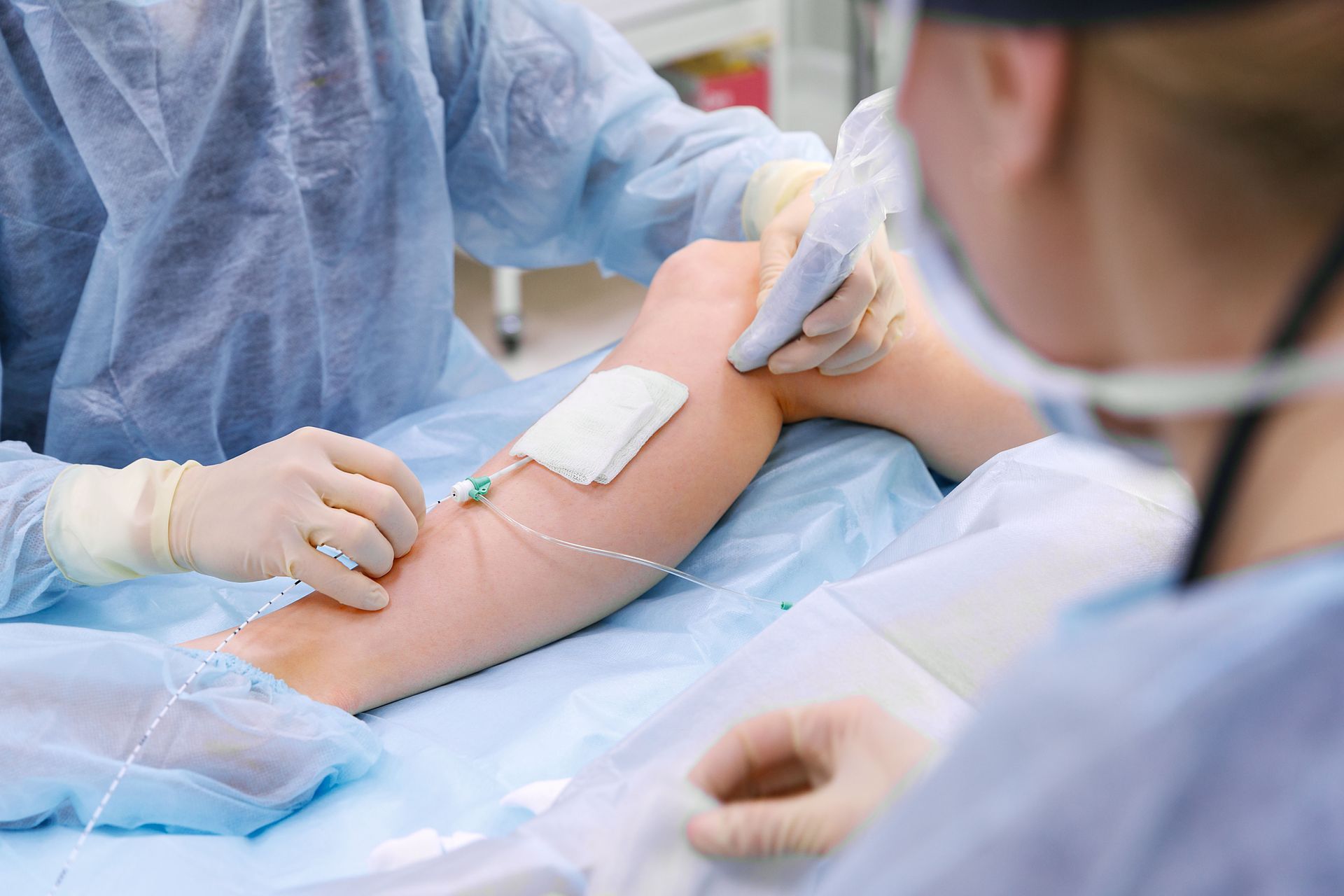
In addition to medical management, urgent cares frequently perform minor procedures onsite, such as suturing lacerations, draining abscesses, or setting small fractures. These procedures are handled with precision and often include detailed aftercare instructions to support a smooth recovery. For cases that require more specialized attention, urgent care staff can coordinate referrals to specialists, transferring relevant medical records and test results to maintain continuity of care. Staff also take a proactive approach to patient safety, confirming known allergies and current medications before administering treatments, which minimizes the risk of adverse reactions. This combination of prompt treatment, minor procedural care, and careful attention to medication and allergy considerations makes urgent cares a reliable and efficient option for addressing a wide spectrum of non-emergency health needs.
Complete the Discharge Process
At the conclusion of your visit, you’ll receive a summary detailing your diagnosis, treatment, procedures performed, and test results. Discharge instructions provide clear guidance on medications, activity restrictions, and warning signs to monitor during recovery. Staff can also help schedule follow-up appointments, whether at the urgent care clinic, with your primary care physician, or with a specialist. Handling any billing questions before leaving ensures there are no surprises regarding co-pays or insurance coverage. Patient feedback opportunities are often offered to improve services and support ongoing quality care.
Manage Post-Visit Considerations
After your visit, monitor your symptoms for any changes that may require further attention. Keeping an organized record of your urgent care visit, including summaries, test results, and prescribed medications, promotes continuity of care with your primary physician or specialists. Understanding potential follow-up needs, responding promptly to insurance queries, and reflecting on your experience can build confidence for future urgent care visits. Being proactive about post-visit care supports overall health and prepares you for any subsequent appointments.
Visiting an urgent care clinic for the first time doesn’t have to be intimidating. By preparing your documents, understanding insurance coverage, and knowing what to expect during evaluation and treatment, you can make your visit smooth and effective. An urgent care clinic provides quick, accessible medical attention for a wide range of non-emergency conditions, bridging the gap between primary care and hospital services. If you are ready to receive convenient, professional healthcare, we at Family Emergency Room at Georgetown will help guide you through every step of your urgent care experience, ensuring quality treatment and peace of mind.













Share On: