How A Walk In Clinic Maintains High-Quality Care While Operating 24/7

February 7, 2026

The demand for accessible healthcare is steadily increasing, driven by factors such as rising populations, lifestyle-related diseases, and the need for immediate medical attention. A walk in clinic is uniquely positioned to address these needs by offering convenient, timely care without the requirement for prior appointments. Patients benefit from the flexibility and efficiency of these clinics, which often operate on extended hours or even 24/7 schedules. However, providing round-the-clock care introduces unique operational challenges, particularly in maintaining consistent quality across all patient interactions. Clinics must employ innovative strategies for staffing, patient triage, technological infrastructure, and community engagement to remain effective and reliable.


According to Oracle NetSuite, healthcare organizations face the difficult and expensive challenge of maintaining 24/7 operations while providing high-quality patient care. For walk in clinic, this means balancing the need for accessibility with the practicalities of workforce management, patient safety, and medical compliance. To achieve this, clinics rely on comprehensive staffing solutions, robust triage systems, advanced medical infrastructure, and a patient focused approach that integrates feedback and continuous improvement into every facet of operations.


Optimizing Staffing for 24/7 Care


Effective staffing begins with recruiting qualified medical professionals capable of handling the fast-paced, unpredictable nature of a walk in clinic. Clinics prioritize candidates with strong educational backgrounds, relevant experience, adaptability, and exceptional interpersonal skills that foster patient trust. Interviews and practical assessments help evaluate how potential staff perform under pressure, while background checks and reference verification ensure reliability. Retention is equally important, as a walk in clinic depends on continuity to maintain consistent care.


Clinics often offer competitive salaries, benefits, and opportunities for professional advancement, including leadership roles and specialization programs. Building partnerships with medical schools or training centers provides a steady pipeline of new talent, while engaging with professional organizations and career fairs expands the reach to experienced candidates. Innovative staffing models, such as staggered shifts or shared resources with other clinics, help balance workloads and prevent burnout.


Flexible scheduling allows clinics to match staffing levels with patient demand while protecting against staff fatigue. By analyzing patient inflow trends, clinics can optimize schedules to ensure coverage during peak hours and critical periods. Shift overlaps facilitate smooth transitions between staff members, preventing gaps in care and supporting continuity. Rosters that rotate responsibilities encourage collaboration and cross-training, while contingency plans for unexpected absences minimize disruptions. On-call staff pools provide additional support during surges in patient visits, and regular feedback sessions allow employees to voice concerns and suggest improvements. Technology plays a pivotal role in managing these schedules, with software tools automating reminders, shift swaps, and time-off requests, as well as using predictive analytics to forecast patient demand.


Maintaining high-quality care requires continuous learning for all staff members. A walk in clinic can provide training programs covering technical expertise, patient communication, and empathy. Workshops, seminars, and certification opportunities ensure that staff remains knowledgeable about the latest treatments, technologies, and regulatory standards. Mentorship programs and peer-to-peer knowledge sharing foster collaboration and cross-disciplinary learning, strengthening team dynamics and enhancing patient care. Financial support, such as tuition reimbursement or study leave, incentivizes ongoing education, while recognition programs motivate staff to pursue specialization. A culture of growth encourages proactive engagement and reinforces the clinic's reputation for excellence.


Implementing Robust Patient Triage Systems


A walk-in clinic's ability to efficiently manage patient flow hinges on its triage system. Upon arrival, patients undergo initial assessments conducted by trained staff using standardized procedures to categorize urgency. Symptom checklists and triage scoring systems help maintain consistency, while clearly defined triage areas reduce congestion and confusion. These protocols ensure patients with critical needs receive timely attention, optimizing both safety and satisfaction. Regular evaluation of assessment protocols is essential to maintain high standards of care. Feedback from patients, incident reviews, and outcome assessments informs necessary adjustments. Clinics continuously refine triage procedures to accommodate diverse patient populations and evolving healthcare requirements. A reliable triage system reduces wait times, enhances resource allocation, and contributes to better overall patient experiences.


Technology has transformed triage in a walk in clinic, enhancing efficiency and accuracy. Electronic triage systems guide staff through structured assessments, minimizing errors and expediting decision-making. AI and machine learning tools can predict patient risks based on historical data, improving proactive management. Telehealth platforms extend triage capabilities beyond the clinic walls, offering remote consultations during peak times or emergencies. Implementing these tools requires careful attention to data privacy and staff training, ensuring compliance and proficiency. Clinics that successfully integrate technology into triage can provide faster, more accurate care, maintain safety standards, and enhance patient satisfaction. Continuous monitoring and feedback loops allow protocols to evolve alongside innovations in healthcare.


Advanced Medical Infrastructure


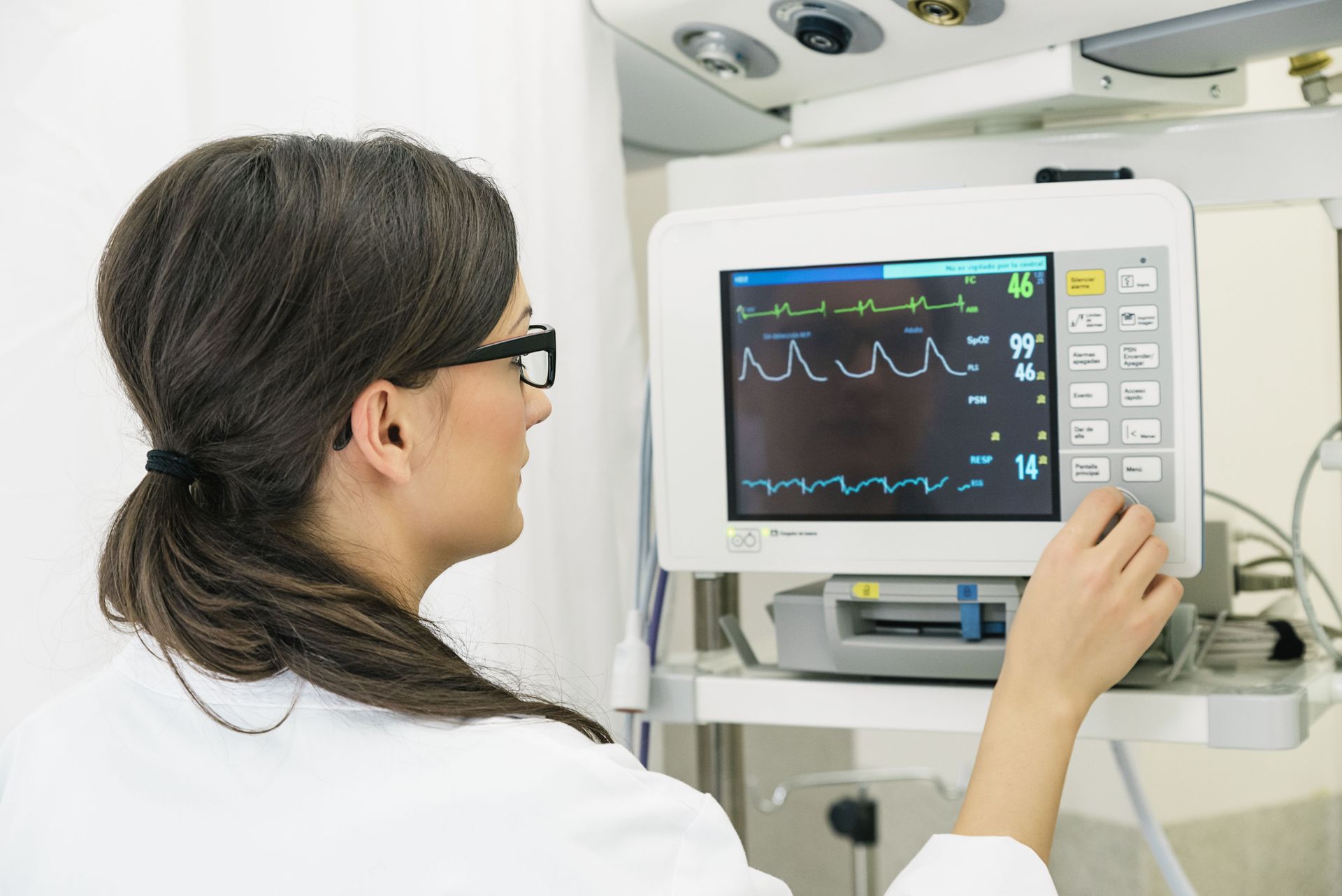
A walk in clinic relies on modern medical technology to support diagnostics, treatment, and emergency interventions. Investing in advanced imaging devices, laboratory equipment, and electronic monitoring systems enhances accuracy, reduces delays, and supports high-quality outcomes. Clinics assess equipment performance regularly, scheduling upgrades and maintenance proactively. Staff training ensures personnel remain proficient in operating new technology, maximizing its benefits, and reinforcing reliability for 24/7 operations. Technological advancements in medical equipment evolve rapidly, making ongoing technical audits necessary to sustain service excellence and patient safety.


Patient-Centered Care and Feedback Integration


Patient feedback is an essential component of a walk-in clinic's continuous improvement efforts. Surveys, digital platforms, and suggestion mechanisms provide insights into patient experiences, revealing strengths and areas for enhancement. Clinics analyze this data to refine triage procedures, adjust staffing levels, and enhance overall service delivery. Open communication channels empower patients to actively participate in their healthcare, reinforcing trust and satisfaction.


A walk in clinic adopts patient-centered approaches that prioritize comfort, clarity, and engagement. Staff are trained to communicate clearly, explain treatment options, and involve patients in decision-making processes. Feedback loops ensure practices align with patient expectations, contributing to better outcomes and higher retention rates. By valuing patient perspectives, clinics create a culture of responsiveness, demonstrating commitment to safety, quality, and compassion.


Community Engagement and Outreach


A walk in clinic strengthens community health by offering educational programs, preventive screenings, and outreach initiatives. Collaboration with local organizations raises awareness of healthcare resources and encourages proactive health management. Community engagement reinforces the clinic's role as a reliable healthcare provider, fostering loyalty and trust. These initiatives also help clinics anticipate emerging healthcare needs, supporting effective staffing and resource planning. By integrating community outreach with patient-centered practices and advanced infrastructure, walk in clinic provide comprehensive, accessible care that meets both immediate and long-term health needs.


A walk in clinic serves as critical access points in modern healthcare, providing timely, high-quality care to meet the growing demand for medical services. Successfully operating on a 24/7 schedule requires a holistic approach encompassing efficient staffing, robust triage systems, advanced medical infrastructure, patient-centered care, and active community engagement. Leveraging technology, investing in professional development, and incorporating patient feedback confirm that clinics maintain excellence while addressing operational challenges.


Patients benefit from clinics that prioritize accessibility, consistency, and safety, while staff enjoy supportive environments that encourage growth and collaboration. As the need for flexible and immediate healthcare continues to rise, a
walk in clinic remains at the forefront of delivering practical, effective solutions for communities. If you are seeking prompt, professional care without the need for appointments, consider visiting Family Emergency Room at Georgetown to experience the convenience and quality of modern healthcare firsthand.
urgent care clinics
February 3, 2026
Need medical help fast but it’s not an emergency? See how urgent care clinics provide quick, affordable care for minor injuries and illness.
urgent care services
January 29, 2026
This blog discusses the ways that urgent care services play a vital role in supporting the aging population during non-life-threatening medical situations.
ER clinic
January 26, 2026
Recognizing when to seek urgent care is essential for maintaining your health. Here are 10 ways to tell whether you should visit an ER clinic. Read more.
emergency services
January 20, 2026
Do you have a child? Keep reading to discover what every parent should know about emergency services for their little ones.
emergency services
December 29, 2025
Discover how timely emergency services save lives, reduce damage, and ensure fast, effective responses when every second counts.
local emergency services
December 3, 2025
Are you familiar with the protocol for your local emergency services? Keep reading to discover the importance of understanding these services when in need.
urgent care
December 1, 2025
Discover how urgent care centers handle minor surgical procedures, offering fast, safe, and cost-effective treatment for everyday injuries and conditions.
November 21, 2025
When you're faced with a medical emergency, the decisions you make can be critical. Knowing the right questions to ask can help you gather important information, understand your condition better, and make informed choices. This article explores key questions to ask during an emergency room visit. The emergency room can be a confusing environment, and understanding what to discuss with professionals can significantly improve your care experience. Engaging in informed dialogue ensures you are an active participant in your healthcare journey. 1. Clarify the Diagnosis Understanding what you're facing in the emergency room begins with the diagnosis. One of the first steps during an emergency room visit is asking what specific condition has been identified and what the basis for that finding is. Because many symptoms overlap with various conditions, there may be uncertainties or the need for further observation. It's crucial to clarify whether the diagnosis is definitive or still provisional, and ask how any ambiguity may influence treatment and next steps. A clear understanding of these points will guide you in the subsequent decision-making process. According to Forbes, there are more than 1 million licensed EMTs in the United States. These EMTs may provide the initial assessment that leads you to the emergency room. Knowing how those initial findings correlate with the official diagnosis made in the emergency room can be informative. You may wish to ask what signs the EMTs observed, how they influenced the decision to bring you to the emergency room, and how those early observations relate to subsequent findings. Such conversations can provide deeper insight into the diagnosis journey and its accuracy. 2. Review Proposed Treatments or Procedures Once a diagnosis is identified, whether provisional or final, the next key question in the emergency room is what treatments or procedures will be conducted. It's important to hear from your emergency room provider about the objectives of the proposed treatment—is the purpose relief of symptoms, stabilization of your condition, full cure of the underlying issue, or some combination? This understanding will help you evaluate whether the treatment plan aligns with your personal health goals. Such conversations are a vital part of engaging collaboratively in your own care. Questions should also include what steps are planned after the emergency room phase—whether further interventions might be necessary, such as surgery, rehabilitation, home care or specialist consults. Immediate treatments in the emergency room may include medications, monitoring, lifestyle advice, or even urgent surgical intervention, depending on the diagnosis. Clarifying these points helps you set realistic expectations about recovery and follow-up. 3. Discuss Risks and Benefits of Treatment In the emergency room, it's essential not just to know what's being done, but why—and what the trade-offs are. For each treatment or procedure proposed, ask about the likely benefits, potential side effects, risks or complications. These may vary based on your health history, age, allergies, and other factors. Engaging your emergency room professional in a detailed discussion about these risks—not just the hypothetical extremes but the realistic scenarios—helps you make safer, more informed decisions. On the flip side, grasping the benefits of treatments proposed in the emergency room context—whether relief of pain, halting progression of disease, restoration of function—provides motivation and clarity on why the work is being done. Knowing the advantages also helps in comparing alternative treatments if the initially proposed one doesn't fit your preferences or health status. 4. Set Realistic Outcomes and Prognosis Expectations In the emergency room, you'll want to ask what you should expect—both immediately after treatment and over the longer term. Short-term expectations might include how soon you will feel relief, how quickly your condition will stabilize, what adverse reactions to watch for, and when you might safely leave the emergency room or move on to outpatient care. Understanding this helps you manage the first days after your visit and reduces anxiety about unknowns. Ask your emergency room providers which indicators mean things are improving—and which signs mean you should return or call emergency services. Knowing the “red flags” can make a huge difference. Compliance with discharge instructions, follow-up visits, medication adherence, and lifestyle changes often determines how well the short-term outcomes go. In the emergency room context, getting this perspective equips you to plan lifestyle adjustments, follow-up specialist care, and home management. Understanding the long-term outcome also helps you and your family set expectations and consider goals for rehabilitation or further treatment. 5. Understand Medications You're Being Prescribed A core part of emergency room care involves medications. It's vital to ask your emergency room provider why each medication is prescribed: what symptoms it addresses, what condition it treats, and whether it is curative or preventative. Understanding the purpose behind each medication strengthens your adherence to the regimen and empowers you in your therapeutic journey. Beyond the purpose, ask whether each medication has a preventive role (for example, preventing further complications) or is strictly responsive to current symptoms. Knowing whether a medicine is temporary or part of a longer-term plan is key. Discussing how the drug fits into the overall treatment plan in the emergency room gives context to its role, helps you incorporate it into your recovery, and aligns it with health goals. Ask about potential side effects. In the emergency room, multiple medications may be started quickly. Understanding common and serious side effects helps you prepare in case you experience reactions. Ask your emergency room doctor to highlight what side effects are likely, which ones are rare but serious, and what you should do if they occur. This kind of dialogue helps prevent surprises after you leave the emergency room. 6. Clarify Cost and Financial Considerations Understanding the potential costs of your emergency room visit and subsequent care is an important part of informed decision-making. The emergency room environment often moves quickly, and financial discussions may feel secondary—but transparency about costs helps you plan and avoid surprises. Start by asking what immediate costs might be associated with the emergency room visit: diagnostics, medications, treatments, and any additional care required while in the emergency room. Some hospitals offer financial counselors or estimators; asking for one helps you get a clearer picture. Early financial discussions in the emergency room can reduce stress and let you focus on recovery. Next, speak about your insurance coverage. Ask what portion of emergency room charges your insurance covers, whether your treatment is within network, any copays or deductibles, and what you might owe out-of-pocket. Insurance policies are complex; the emergency room financial adviser or nurse can help you understand how your care fits those policies. Being proactive in the emergency room about insurance coverage mitigates post-visit shock. Visiting the emergency room can be a stressful and overwhelming experience, but by asking the right questions, you can become a more informed participant in your own care. The seven question areas above—clarifying the diagnosis, reviewing treatments, discussing risks and benefits, setting outcome expectations, understanding medications, clarifying costs, and reviewing discharge planning—form a practical framework to navigate an emergency-room episode with confidence. Next time you or a loved one visits the emergency room at Family Emergency Room at Georgetown, bring this framework with you. Write down your questions, ask for clarification, keep notes on what's said in the emergency room , and follow up promptly. Your health deserves nothing less.
emergency clinics
July 9, 2025
Deciding between emergency clinics and hospital ERs for your child can be overwhelming. Learn how to choose the best care option when every minute counts.
local er clinic
June 16, 2025
Taking the time now to find the best local ER clinic can make all the difference in a future emergency. Here’s what to look for when weighing your options.