
Emergency Clinic or Hospital ED: Where Should You Take Your Child?
If you've ever dealt with a sick or injured child, you know how stressful it can be to decide where to take them for immediate care. Between emergency clinics and hospital emergency departments (EDs), parents often find themselves confused when trying to determine the right option. Understanding the advantages and limitations of each setting can help you make informed decisions in critical situations. In this article, we'll explore the differences between emergency clinics and hospital EDs and guide you on how to choose the best place for your child's needs.
Comparing Pediatric Emergency Options with Confidence
Time is of the essence when your child is unwell, and making the wrong decision can cause delays in treatment or unnecessary stress. Some situations call for fast but basic intervention, while others demand comprehensive, round-the-clock medical attention. Knowing where to go beforehand empowers you to act quickly when it matters most. Accessibility, wait times, severity of illness, and specialist availability all play key roles in determining the right care path. With the right knowledge, you can avoid second-guessing yourself in urgent situations and provide the safest, most effective care experience possible for your child and your peace of mind.
Understanding the Role of Emergency Clinics
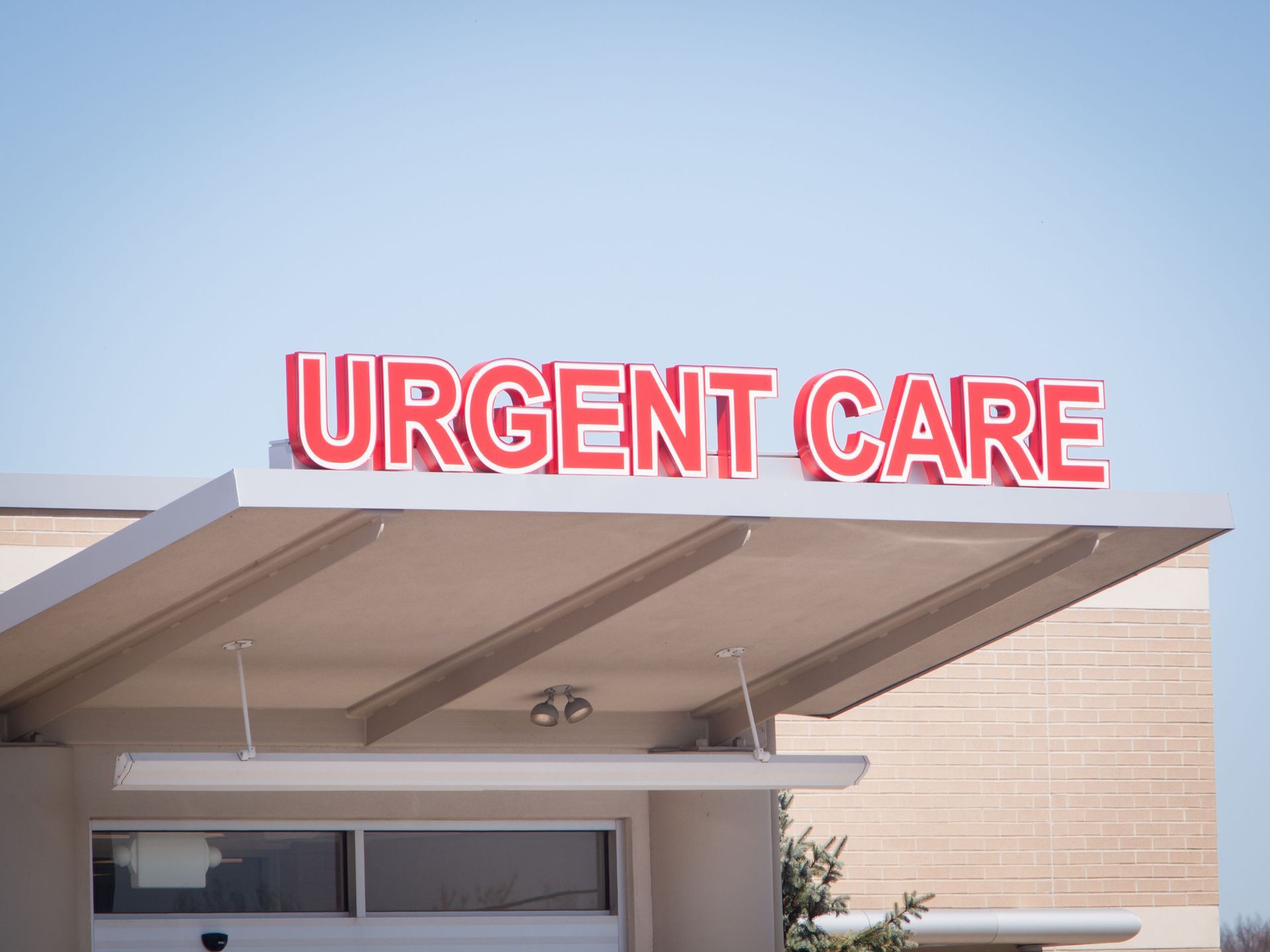
Firstly, let's talk about the role of an emergency clinic. Usually known as urgent care centers, emergency clinics are designed to handle non-life-threatening situations. They offer quicker service compared to hospital emergency rooms and are a convenient option for minor injuries, mild respiratory issues, and minor fractures. Emergency clinics often have extended hours and tend not to have the long waits commonly associated with hospital EDs. They can be a great option for situations that require prompt care but are not severe enough to warrant a visit to a hospital.
Recognizing When to Visit a Hospital Emergency Department
On the other hand, hospital emergency departments are equipped to handle severe and life-threatening situations. They have specialized medical staff and equipment available 24/7 to manage critical and complex conditions effectively. If your child is experiencing severe symptoms like difficulty breathing, a high fever, or significant trauma, a hospital ED is the most appropriate choice. According to the American Academy of Pediatrics, children account for around 30 million visits to emergency departments annually, highlighting just how indispensable these facilities are for critical pediatric care.
Evaluating Access to Pediatric Specialists
Another point to consider is the availability of pediatric specialists. While some emergency clinics have staff who are skilled in dealing with children's healthcare issues, hospital EDs typically have a more extensive roster of pediatric specialists. This ensures that your child can receive a comprehensive evaluation and the specialized care they may need. The presence of in-house diagnostic tools like CT scans and advanced laboratory facilities further enhances the hospital ED's ability to diagnose and manage a broad spectrum of health issues.
Comparing Costs and Insurance Coverage
Cost and insurance coverage are also factors you may want to weigh when deciding where to seek care. Generally, visits to an emergency clinic can be significantly less expensive than trips to the hospital ED. This can be an appealing option for managing healthcare costs effectively, especially for non-emergency medical issues. Nonetheless, it is crucial to verify with your insurance provider what services and locations are covered under your plan to avoid unexpected expenses.
Considering Accessibility and Location
Accessibility is one more aspect that may influence your choice. Emergency clinics are usually more conveniently located in neighborhoods, making it easier and quicker to reach them. Hospital EDs, however, are typically attached to medical centers and hospitals, which can sometimes mean longer travel times depending on your location. In situations where every second counts, proximity may play a critical role in your decision-making process.
The decision between taking your child to an emergency clinic or a hospital ED depends on several factors, including the severity of their condition, the available resources required for treatment, and practicality in terms of cost and location. Emergency clinics are optimal for minor health issues and provide a faster, more cost-effective service. However, hospital emergency departments are indispensable for serious and life-threatening medical emergencies. By understanding the differences and potential benefits of each facility, you can make informed and confident choices during stressful circumstances, ensuring the best possible care for your child. For compassionate, expert pediatric care when it matters most, trust the team at Family Emergency Room at Georgetown, your local partner in urgent and emergency care.














Share On: