
The Importance of Timely Emergency Services
Access to timely emergency services is a critical component of modern healthcare. Rapid response can mean the difference between life and death, particularly in cases such as heart attacks, strokes, severe injuries, or sudden medical crises. Beyond saving lives, efficient emergency care also reduces the risk of long-term complications, shortens recovery time, and alleviates pressure on hospital systems by managing urgent cases effectively.
Understanding the importance of timely emergency services is not only essential for healthcare professionals but also for the general public. Knowledge about when and how to access these services can significantly improve patient outcomes. This article explores why prompt response matters, the components that make emergency services effective, and strategies to maximize their benefits for patients and communities.
Response Time Efficiency
One of the most crucial factors in emergency care is the speed of response. Rapid intervention is critical for life-threatening conditions. For example, in cases of cardiac arrest or stroke, every minute counts. Delays in treatment can significantly increase the likelihood of severe complications or death.
Emergency medical teams, including paramedics, ambulance services, and emergency department staff, are trained to provide immediate care from the moment they arrive. Well-coordinated communication systems, efficient dispatch protocols, and strategically located resources all contribute to minimizing response times. Timely access to emergency services ensures that patients receive critical interventions as soon as possible, which can save lives and improve recovery outcomes.
Staff Expertise and Training
The expertise of healthcare professionals is another essential aspect of effective emergency services. Emergency department personnel, including physicians, nurses, and support staff, undergo specialized training to recognize and respond to a wide range of urgent medical conditions. Their ability to make rapid, accurate decisions is crucial when seconds matter.
In addition to medical knowledge, staff must maintain proficiency in emergency protocols, equipment use, and patient triage. This expertise allows emergency teams to stabilize patients, prioritize care based on severity, and prevent further complications. Access to skilled professionals within emergency services is a cornerstone of patient safety and quality care.
Facility Preparedness and Equipment
Properly equipped facilities are essential for delivering effective emergency services. Emergency departments must have access to advanced medical technology, including imaging equipment, laboratory services, life-support systems, and specialized surgical tools. These resources enable medical teams to diagnose conditions accurately and initiate treatment without unnecessary delays.
Well-prepared facilities also include well-maintained emergency transport systems. Ambulances, helicopters, and rapid-response vehicles equipped with advanced life-support capabilities allow patients to receive timely care while en route to the hospital. Efficient integration of these resources ensures that patients experience minimal delay from the onset of symptoms to definitive treatment.
Triage and Prioritization Systems
Effective triage systems are key to ensuring that emergency services are used efficiently. Triage involves assessing the severity of patients' conditions and determining the order in which care is delivered. This process ensures that the most critical patients receive immediate attention while less urgent cases are managed appropriately.
Triage protocols reduce bottlenecks in the emergency department and help allocate resources where they are most needed. For example, patients with minor injuries or non-urgent medical concerns may receive treatment in fast-track areas, allowing staff to focus on life-threatening cases. Implementing well-structured triage systems is a vital component of effective emergency services, as it directly impacts patient outcomes.
Public Awareness and Access
Public awareness of when and how to access emergency services is critical. Knowing the difference between life-threatening conditions and situations that can be handled in a primary care setting ensures that emergency resources are available for those who truly need them. Educating communities about symptoms that require urgent care—such as chest pain, severe breathing difficulty, major trauma, or sudden neurological changes—can reduce delays in treatment.
Accessibility also involves removing barriers to care. This includes ensuring 24/7 availability of emergency services, reducing transportation obstacles, and integrating telehealth and dispatch support to guide patients effectively. According to the CDC, 14.2% of emergency department visits result in hospital admission, highlighting the importance of accurate assessment and timely intervention in managing urgent medical needs.
Coordination With Prehospital Services
Emergency services extend beyond the hospital walls. Prehospital care provided by paramedics, EMTs, and first responders plays a crucial role in patient stabilization and transport. Efficient coordination between prehospital teams and emergency departments ensures continuity of care, which is essential for improving outcomes.
Prehospital providers are trained to perform advanced medical interventions on-site or en route, such as administering medications, performing CPR, and managing airways. Coordination with hospital staff allows for a seamless transition upon arrival, reducing treatment delays and improving patient survival rates. This integration exemplifies the comprehensive nature of emergency services.
Impact on Patient Outcomes
Timely emergency services significantly affect patient outcomes. Prompt care reduces the risk of complications, shortens hospital stays, and increases the likelihood of full recovery. In cases of trauma, heart attack, stroke, or severe infection, minutes can determine survival and quality of life post-treatment.
Efficient emergency services also relieve pressure on other parts of the healthcare system. By managing acute cases rapidly, hospitals can prevent complications that require prolonged care, freeing resources for additional patients. Access to prompt care improves both individual and systemic health outcomes, underscoring the critical role of emergency services in public health.
Community Preparedness and Education
Community preparedness enhances the effectiveness of emergency services. Public education campaigns on CPR, first aid, and emergency response protocols empower individuals to act before professional help arrives. Knowledgeable bystanders can provide critical assistance, stabilizing patients and improving outcomes. By fostering awareness and readiness, communities create a supportive environment that complements professional emergency services and ensures faster, more effective care during crises.
Communities that prioritize preparedness foster a supportive environment for emergency services. This includes training volunteers, maintaining accessible emergency equipment like defibrillators, and encouraging awareness of local emergency care facilities. Public engagement and education complement professional emergency services, ensuring a coordinated approach to urgent care.
Technological Advancements in Emergency Services
Technology plays a growing role in improving emergency services. Electronic health records, advanced communication systems, and mobile applications allow for faster information exchange between patients, dispatchers, and hospital teams. Telemedicine and virtual triage systems help assess patient conditions remotely, guiding immediate care decisions and optimizing resource allocation.
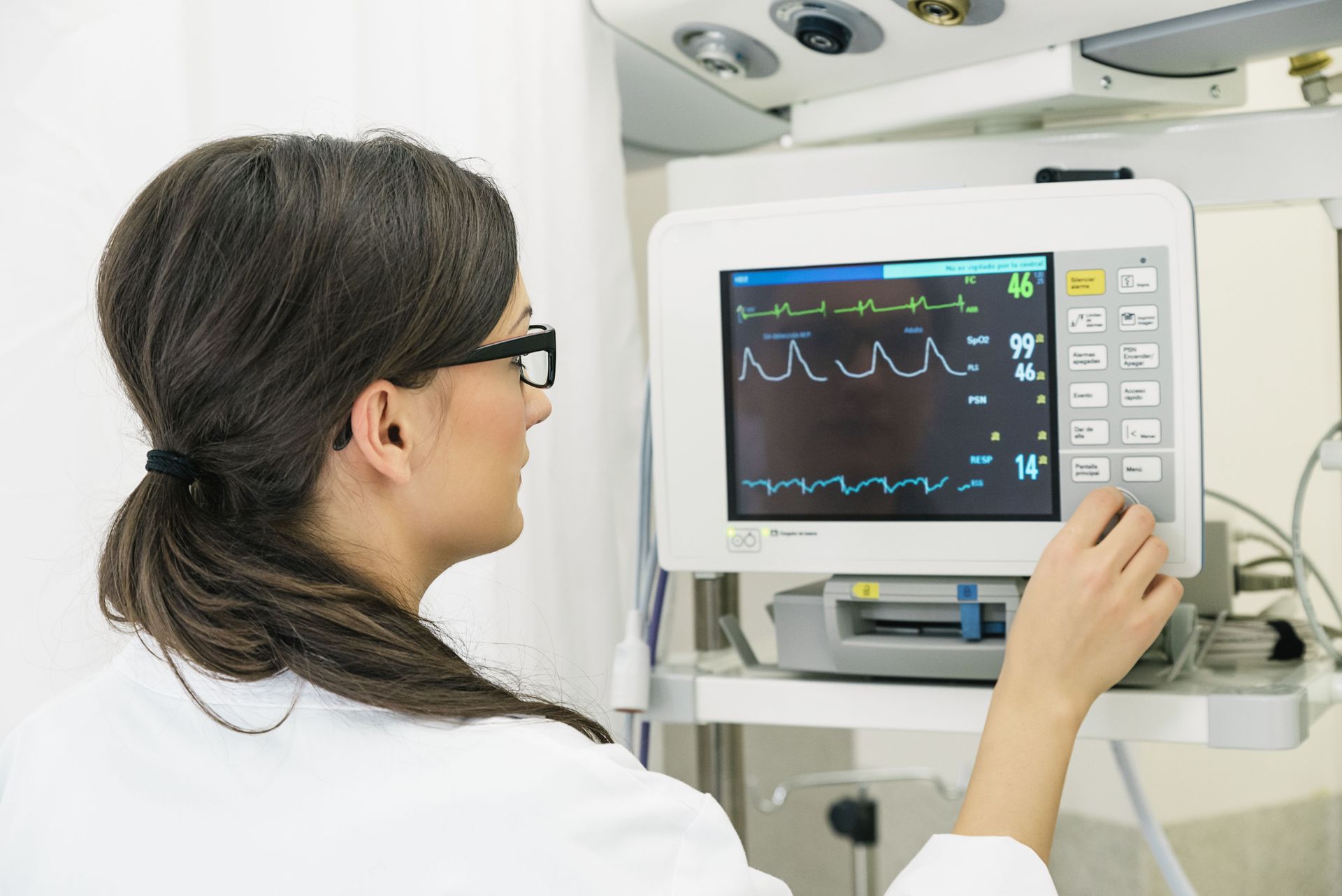
Advancements in diagnostic and monitoring equipment further support timely interventions. Portable imaging devices, automated defibrillators, and mobile lab testing allow medical teams to provide high-quality care even in challenging environments. Integrating technology into emergency services enhances efficiency, accuracy, and patient safety. These innovations also enable faster decision-making and improved coordination among emergency responders, ultimately increasing the chances of positive patient outcomes.
Timely emergency services are essential for protecting lives, improving patient outcomes, and maintaining effective healthcare systems. Rapid response, expert medical staff, well-equipped facilities, and efficient triage protocols all contribute to the success of emergency care. Public awareness, community preparedness, and technological advancements further strengthen these services, ensuring that urgent medical needs are met promptly and effectively.
Understanding when and how to access emergency services is crucial for patients, families, and communities alike. By recognizing signs of critical medical conditions and utilizing professional care without delay, individuals can significantly reduce the risk of complications and improve recovery outcomes. Access to timely, coordinated emergency services remains one of the most critical pillars of public health.
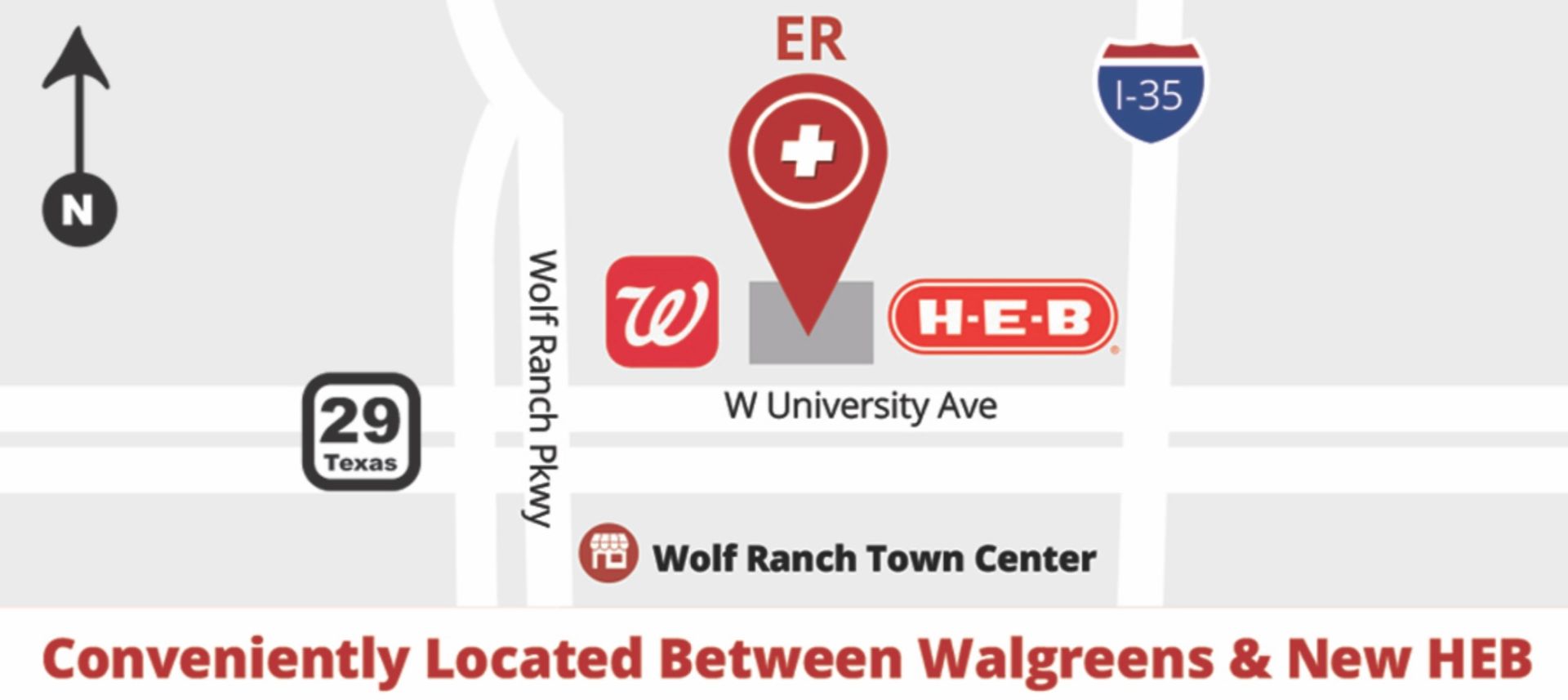
For prompt, professional, and compassionate care in urgent medical situations, trust the experts at Family Emergency Room at Georgetown to provide high-quality emergency services when you need them most.








Share On: