
10 Ways to Tell Whether You Should Visit an Emergency Clinic
Knowing when to seek immediate medical attention can be challenging, especially when symptoms arise suddenly or seem to worsen without warning. Many people struggle to determine whether their condition requires urgent evaluation or if it can wait for a primary care appointment. Understanding the signs that indicate a need for urgent care can help you protect your health and avoid complications. An ER clinic offers resources and trained professionals equipped to assess a wide range of emergent health concerns, providing peace of mind when you are unsure about the severity of your condition. This guide explores ten clear indicators that it may be time to consider visiting an ER clinic.
Severe Chest Pain or Discomfort
Chest pain is one of the most common reasons individuals seek emergency medical attention, as it may signal serious conditions such as heart attack, pulmonary embolism, or cardiac arrhythmia. When chest discomfort is accompanied by shortness of breath, dizziness, sweating, or pain that radiates to the arm or jaw, an ER clinic can provide the immediate evaluation needed to determine the underlying cause. Because chest pain can escalate quickly and lead to life-threatening complications, timely care is essential. Even if the cause turns out to be less severe, having a medical team evaluate the symptoms offers reassurance and ensures the situation is managed properly.
Difficulty Breathing or Shortness of Breath
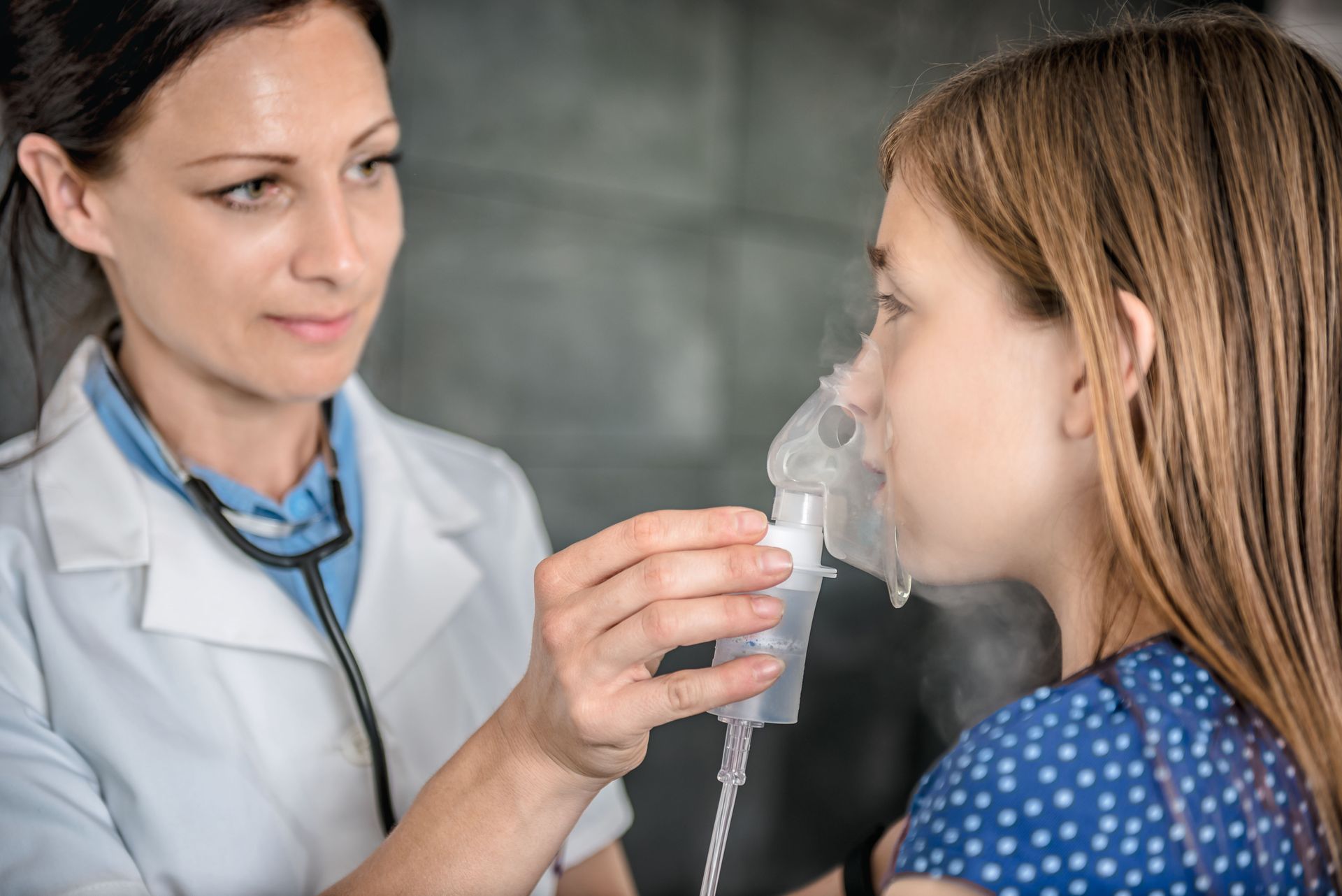
Breathing difficulties should always be taken seriously. Conditions such as asthma attacks, allergic reactions, pneumonia, and respiratory infections can escalate rapidly, making it critical to seek medical attention when symptoms intensify. An ER clinic can assess lung function, administer treatment, and monitor for complications that may interfere with oxygen levels. When breathing issues are accompanied by chest tightness, wheezing, or bluish discoloration around the lips or fingertips, immediate care becomes even more important. Because respiratory conditions can worsen without warning, seeking help promptly can reduce risks and support faster recovery.
Sudden or Severe Abdominal Pain
Abdominal pain can stem from many different causes, ranging from minor digestive issues to serious medical emergencies such as appendicitis, kidney stones, or gallbladder complications. Intense or persistent abdominal pain is often a sign that the body requires urgent evaluation. An ER clinic can conduct imaging tests and lab work to determine the cause and provide appropriate treatment. When abdominal pain is paired with fever, vomiting, or inability to move comfortably, it may signal conditions that need prompt intervention. Because abdominal symptoms vary widely among individuals, having trained professionals evaluate the situation ensures that the condition is addressed appropriately.
Head Injuries or Sudden Neurological Symptoms
Head injuries should always be approached with caution, especially when they involve loss of consciousness, confusion, or vomiting. Similarly, sudden neurological changes—such as weakness, numbness, slurred speech, or difficulty walking—may indicate a stroke or other urgent neurological conditions. An ER clinic can quickly assess these symptoms through neurological exams and advanced imaging. Early evaluation improves the chances of effective treatment, particularly in time-sensitive conditions such as stroke. Seeking help immediately when neurological symptoms appear allows medical teams to intervene quickly and reduce the chance of long-term complications.
High Fever That Will Not Break
A fever is the body's natural response to infection, but extremely high temperatures or fevers that persist for more than a few days require professional assessment. In children, very young infants, and individuals with chronic health conditions, prolonged fevers can lead to dehydration or signal a more serious infection. An ER clinic can help identify the cause and determine whether more aggressive treatment is needed. When fever is accompanied by rash, neck stiffness, or severe fatigue, it may indicate conditions that require immediate attention. Addressing these symptoms early helps prevent complications and ensures the patient receives proper care.
Uncontrollable Bleeding or Deep Wounds
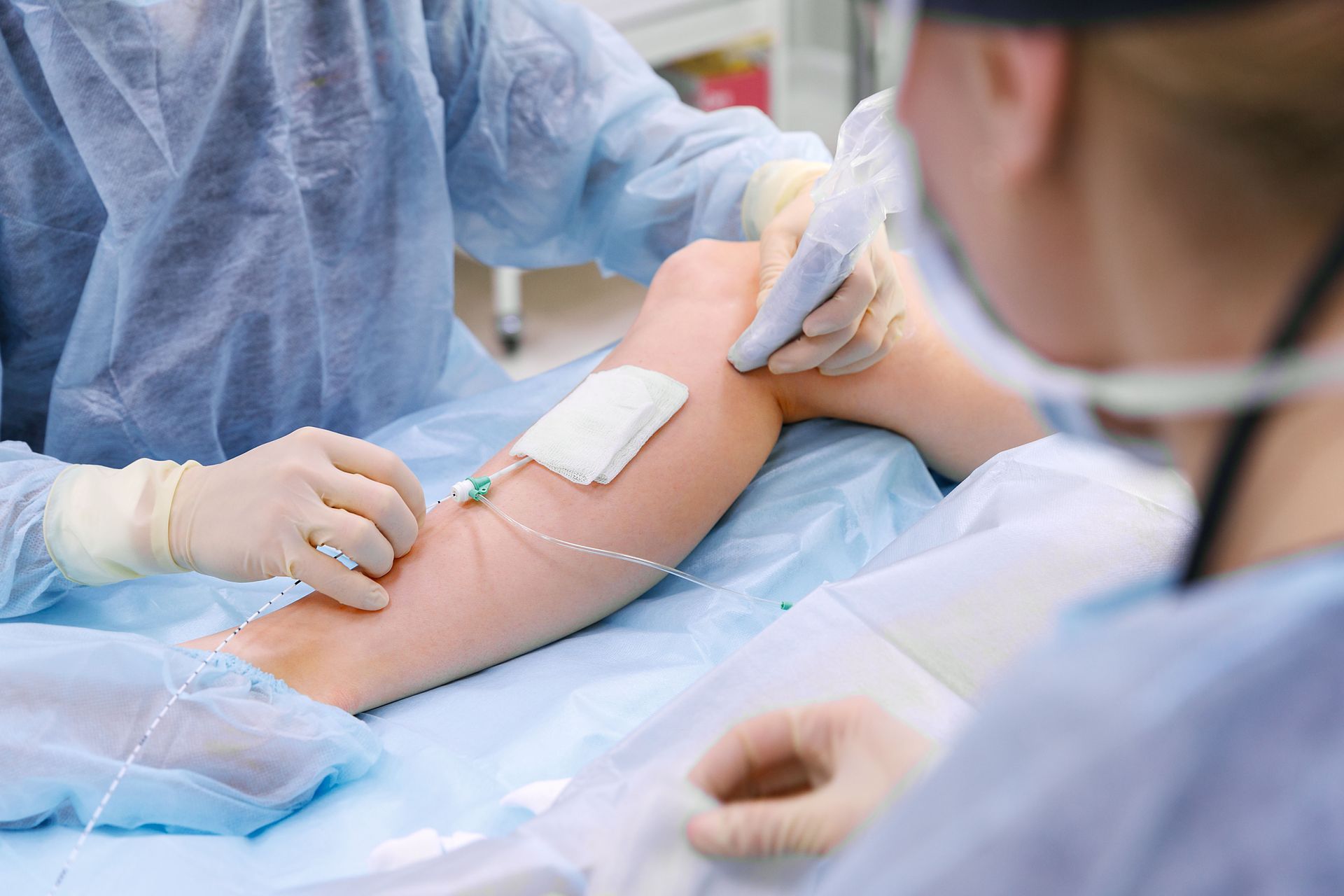
Deep cuts, heavy bleeding, and injuries involving sharp objects can be dangerous when not addressed promptly. If bleeding does not slow within a short period or if a wound is deep enough to expose tissue or bone, it is important to seek urgent medical care. An ER clinic has the equipment and medical professionals necessary to evaluate the wound, reduce the risk of infection, and provide closure when appropriate. Uncontrolled bleeding may also indicate underlying conditions such as clotting disorders that require further evaluation. Immediate attention helps reduce the risk of complications and ensures the wound is treated properly.
Severe Allergic Reactions
Allergic reactions vary widely in severity, but symptoms such as swelling of the face or tongue, difficulty breathing, or a rapid drop in blood pressure require urgent care. An ER clinic can administer medications to stabilize the reaction and monitor for complications. Severe allergic responses can escalate quickly, making timely intervention essential. Even when an individual has experienced milder reactions in the past, new or worsening symptoms should never be ignored. Early care helps prevent the reaction from progressing and ensures the patient receives appropriate ongoing treatment if needed.
Sudden Behavioral or Mental Health Changes
Behavioral changes such as confusion, extreme agitation, hallucinations, or thoughts of self-harm can indicate medical or psychological emergencies. These symptoms may arise from conditions such as severe infections, dehydration, neurological disorders, or mental health crises. An ER clinic can provide a safe environment where patients can be assessed and stabilized. Because mental health symptoms can escalate unpredictably, immediate evaluation is necessary to protect the individual and those around them. Quick intervention can also connect the patient with appropriate follow-up care, ensuring ongoing support and monitoring.
Signs of Infection After Surgery or Injury
After a surgical procedure or injury, monitoring for signs of infection is crucial. Redness, swelling, fever, foul odor, or worsening pain around the affected area may indicate that the body is struggling to heal properly. An ER clinic can evaluate these symptoms and determine whether antibiotics or further treatments are needed. Early intervention helps prevent infections from spreading and reduces the risk of additional complications. Because infections can develop rapidly, seeking help at the first sign of worsening symptoms ensures proper healing and protects overall health.
Situations Requiring Immediate Medical Attention
Certain symptoms and conditions require prompt evaluation even when their severity is unclear. Persistent vomiting, dehydration, sudden changes in vision, or severe reactions to medications are examples of situations that may need urgent assessment. According to Forbes, Texas has 38.66 EMTs per 100,000 residents, highlighting the importance of having trained responders available for medical emergencies. When symptoms feel unusual, frightening, or significantly disruptive to daily activities, visiting an ER clinic can ensure that the situation is handled appropriately. Receiving professional care can prevent complications and help determine the safest course of action.
Recognizing when to seek urgent care is essential for maintaining your health and responding quickly to serious symptoms. From chest pain and breathing difficulties to infections and neurological concerns, knowing the signs of medical emergencies helps individuals make informed decisions during stressful moments. An ER clinic provides timely evaluation, proper monitoring, and treatment for a wide range of urgent health issues. By paying attention to the body's warning signs and acting promptly, you can protect your well-being and receive the care you need when emergencies arise. If you or a loved one is ever experiencing a medical emergency, rely on the Family Emergency Room at Georgetown for your expert and compassionate care. Every patient is seen by an experienced board-certified emergency physician, providing you the peace of mind that you're in good hands.











Share On: