
6 Important Questions to Ask Your Emergency Room Professionals
When you're faced with a medical emergency, the decisions you make can be critical. Knowing the right questions to ask can help you gather important information, understand your condition better, and make informed choices. This article explores key questions to ask during an emergency room visit. The emergency room can be a confusing environment, and understanding what to discuss with professionals can significantly improve your care experience. Engaging in informed dialogue ensures you are an active participant in your healthcare journey.
1. Clarify the Diagnosis
Understanding what you're facing in the emergency room begins with the diagnosis. One of the first steps during an emergency room visit is asking what specific condition has been identified and what the basis for that finding is. Because many symptoms overlap with various conditions, there may be uncertainties or the need for further observation. It's crucial to clarify whether the diagnosis is definitive or still provisional, and ask how any ambiguity may influence treatment and next steps. A clear understanding of these points will guide you in the subsequent decision-making process.
According to Forbes, there are more than 1 million licensed EMTs in the United States. These EMTs may provide the initial assessment that leads you to the emergency room. Knowing how those initial findings correlate with the official diagnosis made in the emergency room can be informative. You may wish to ask what signs the EMTs observed, how they influenced the decision to bring you to the emergency room, and how those early observations relate to subsequent findings. Such conversations can provide deeper insight into the diagnosis journey and its accuracy.
2. Review Proposed Treatments or Procedures
Once a diagnosis is identified, whether provisional or final, the next key question in the emergency room is what treatments or procedures will be conducted. It's important to hear from your emergency room provider about the objectives of the proposed treatment—is the purpose relief of symptoms, stabilization of your condition, full cure of the underlying issue, or some combination? This understanding will help you evaluate whether the treatment plan aligns with your personal health goals. Such conversations are a vital part of engaging collaboratively in your own care.
Questions should also include what steps are planned after the emergency room phase—whether further interventions might be necessary, such as surgery, rehabilitation, home care or specialist consults. Immediate treatments in the emergency room may include medications, monitoring, lifestyle advice, or even urgent surgical intervention, depending on the diagnosis. Clarifying these points helps you set realistic expectations about recovery and follow-up.
3. Discuss Risks and Benefits of Treatment
In the emergency room, it's essential not just to know what's being done, but why—and what the trade-offs are. For each treatment or procedure proposed, ask about the likely benefits, potential side effects, risks or complications. These may vary based on your health history, age, allergies, and other factors. Engaging your emergency room professional in a detailed discussion about these risks—not just the hypothetical extremes but the realistic scenarios—helps you make safer, more informed decisions.
On the flip side, grasping the benefits of treatments proposed in the emergency room context—whether relief of pain, halting progression of disease, restoration of function—provides motivation and clarity on why the work is being done. Knowing the advantages also helps in comparing alternative treatments if the initially proposed one doesn't fit your preferences or health status.
4. Set Realistic Outcomes and Prognosis Expectations
In the emergency room, you'll want to ask what you should expect—both immediately after treatment and over the longer term. Short-term expectations might include how soon you will feel relief, how quickly your condition will stabilize, what adverse reactions to watch for, and when you might safely leave the emergency room or move on to outpatient care. Understanding this helps you manage the first days after your visit and reduces anxiety about unknowns.
Ask your emergency room providers which indicators mean things are improving—and which signs mean you should return or call emergency services. Knowing the “red flags” can make a huge difference. Compliance with discharge instructions, follow-up visits, medication adherence, and lifestyle changes often determines how well the short-term outcomes go.
In the emergency room context, getting this perspective equips you to plan lifestyle adjustments, follow-up specialist care, and home management. Understanding the long-term outcome also helps you and your family set expectations and consider goals for rehabilitation or further treatment.
5. Understand Medications You're Being Prescribed
A core part of emergency room care involves medications. It's vital to ask your emergency room provider why each medication is prescribed: what symptoms it addresses, what condition it treats, and whether it is curative or preventative. Understanding the purpose behind each medication strengthens your adherence to the regimen and empowers you in your therapeutic journey.
Beyond the purpose, ask whether each medication has a preventive role (for example, preventing further complications) or is strictly responsive to current symptoms. Knowing whether a medicine is temporary or part of a longer-term plan is key. Discussing how the drug fits into the overall treatment plan in the emergency room gives context to its role, helps you incorporate it into your recovery, and aligns it with health goals.
Ask about potential side effects. In the emergency room, multiple medications may be started quickly. Understanding common and serious side effects helps you prepare in case you experience reactions. Ask your emergency room doctor to highlight what side effects are likely, which ones are rare but serious, and what you should do if they occur. This kind of dialogue helps prevent surprises after you leave the emergency room.
6. Clarify Cost and Financial Considerations
Understanding the potential costs of your emergency room visit and subsequent care is an important part of informed decision-making. The emergency room environment often moves quickly, and financial discussions may feel secondary—but transparency about costs helps you plan and avoid surprises.
Start by asking what immediate costs might be associated with the emergency room visit: diagnostics, medications, treatments, and any additional care required while in the emergency room. Some hospitals offer financial counselors or estimators; asking for one helps you get a clearer picture. Early financial discussions in the emergency room can reduce stress and let you focus on recovery.
Next, speak about your insurance coverage. Ask what portion of emergency room charges your insurance covers, whether your treatment is within network, any copays or deductibles, and what you might owe out-of-pocket. Insurance policies are complex; the emergency room financial adviser or nurse can help you understand how your care fits those policies. Being proactive in the emergency room about insurance coverage mitigates post-visit shock.
Visiting the emergency room can be a stressful and overwhelming experience, but by asking the right questions, you can become a more informed participant in your own care. The seven question areas above—clarifying the diagnosis, reviewing treatments, discussing risks and benefits, setting outcome expectations, understanding medications, clarifying costs, and reviewing discharge planning—form a practical framework to navigate an emergency-room episode with confidence.
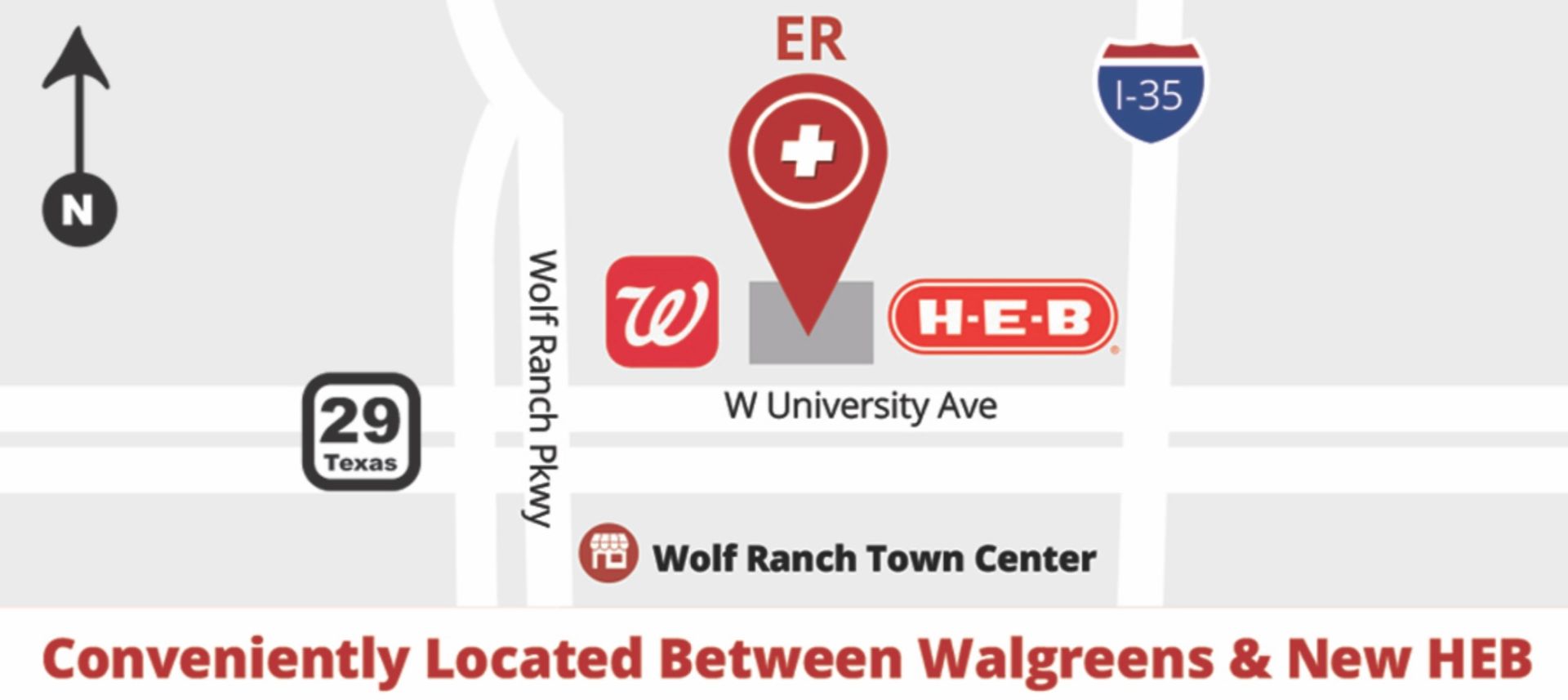
Next time you or a loved one visits the emergency room at Family Emergency Room at Georgetown, bring this framework with you. Write down your questions, ask for clarification, keep notes on what's said in the emergency room, and follow up promptly. Your health deserves nothing less.













Share On: