
Emergency Care for Children: What Parents Should Know
When a child is sick or injured, every parent wants fast answers and compassionate care. The uncertainty of not knowing how serious a situation might be can feel overwhelming, especially when an emergency occurs in the middle of the night or during a weekend. According to the American Academy of Pediatrics, approximately 30 million children visit emergency departments each year. Understanding how pediatric emergency care works and what to expect before you arrive can help reduce stress and ensure your child gets the help that they need as quickly as possible. Knowing when and how to access emergency services empowers parents to make confident decisions during the most critical moments.
Understanding Pediatric Emergencies
Children aren't just small adults. Their bodies respond differently to illness, injury, and pain, which is why pediatric-focused emergency care is so important. A child's symptoms can escalate quickly, and what seems minor at first may require immediate medical attention. High fevers, breathing difficulties, severe abdominal pain, head injuries, allergic reactions, and sudden changes in behavior are all situations where prompt evaluation is essential. Parents should always trust their instincts; early intervention often leads to better outcomes and faster recovery.
When to Bring Your Child to the ER
Deciding whether to have your child visit an emergency room can be challenging, especially when their symptoms fall into a gray area. If a child is experiencing trouble breathing, persistent vomiting, seizures, uncontrolled bleeding, or signs of dehydration, immediate care is critical. Injuries involving the head, neck, or spine should always be evaluated by a medical professional. In these moments, emergency services play a vital role in stabilizing your child and preventing complications that could worsen over time.
Signs That Symptoms Are Getting Worse
Children can decline quickly, which is why ongoing observation is so important after symptoms first appear. If a child becomes increasingly lethargic, develops worsening pain, shows signs of confusion, or has changes in skin color such as pale or bluish tones, immediate evaluation from a qualified professional is necessary. Breathing that becomes rapid, labored, or unusually quiet can also indicate a serious issue. In these situations, accessing emergency services promptly allows medical professionals to intervene before conditions become life-threatening. Parents should never hesitate to seek care if something feels wrong, even if symptoms seemed mild earlier.
What Makes Pediatric Emergency Care Different
Pediatric emergency care focuses on the unique medical and emotional needs of children. From equipment sized specifically for smaller bodies to dosing medications based on weight, every aspect of care is tailored to young patients. Emergency room physicians are trained to recognize subtle signs of serious illness in children, even when symptoms aren't obvious. This specialized approach ensures accurate diagnoses and appropriate treatment from the moment your child arrives.
What to Expect During an ER Visit
Walking into an emergency room with a sick or injured child can feel intimidating, but understanding the process helps ease anxiety. Upon arrival, your child will be quickly assessed to determine the severity of their condition. Vital signs are checked, and medical history is reviewed to guide next steps. Facilities with on-site imaging and lab services can often provide answers faster, allowing treatment to begin without unnecessary delays. High-quality emergency services prioritize efficiency without sacrificing thorough, attentive care.
Reducing Fear and Anxiety for Children
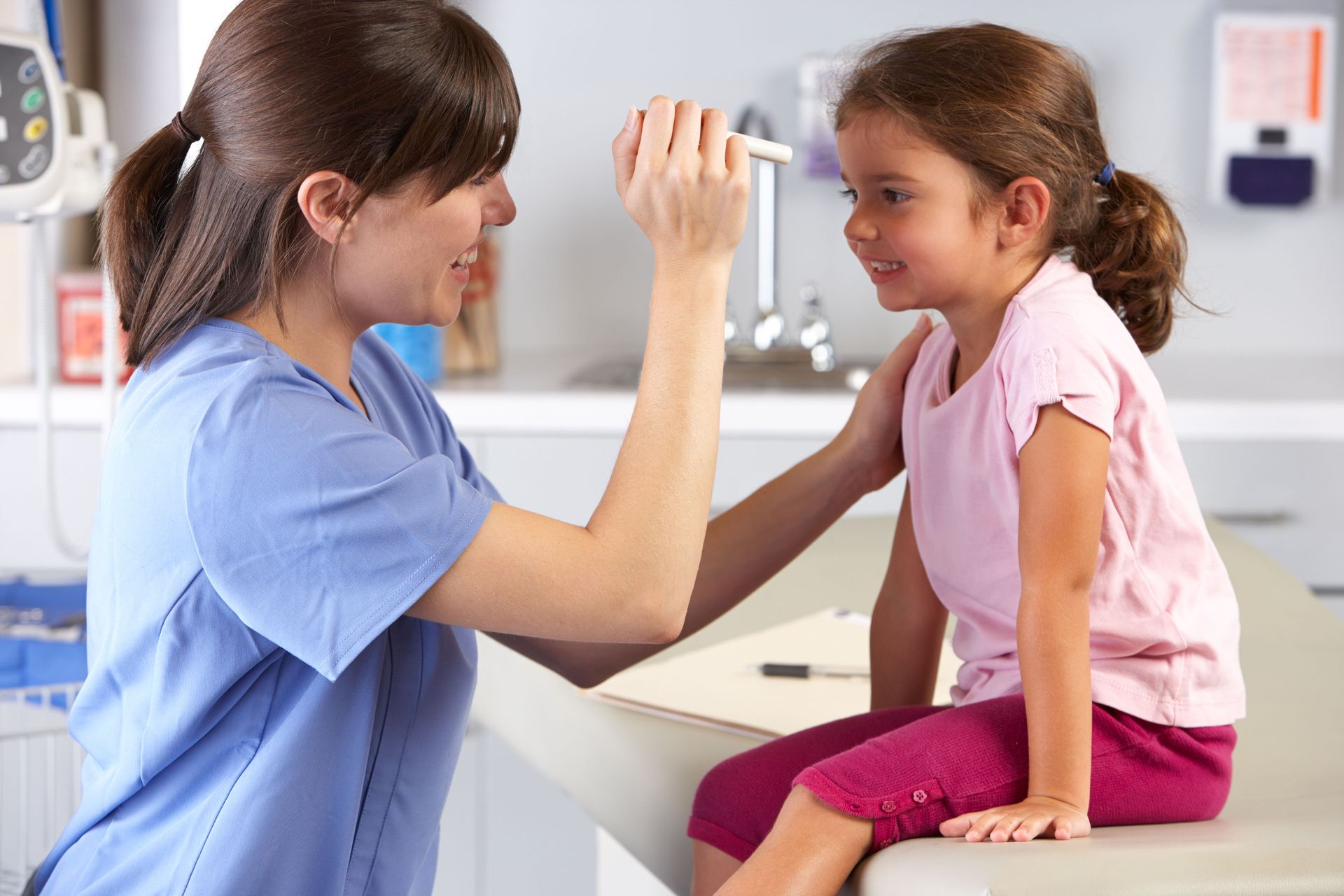
An unfamiliar environment filled with bright lights and medical equipment can be scary for children. Compassionate emergency teams understand this and take steps to create a calming experience. Explaining procedures in age-appropriate language, involving parents in the process, and moving at a reassuring pace all help children feel safer. When children feel supported, they are more cooperative, which allows providers to deliver care more effectively and comfortably.
The Importance of 24/7 Access to Care
Illness and injuries rarely happen on a convenient schedule. Having access to medical care around the clock ensures that your child doesn't have to wait until morning or the next business day to be evaluated. Immediate access to emergency services can make a critical difference in outcomes, especially for conditions that worsen quickly. Knowing that help is always available provides peace of mind for parents and caregivers alike.
Imaging and Lab Services for Faster Answers
Children often have difficulty describing what they're feeling, which makes diagnostic tools especially important. On-site imaging and laboratory testing allow physicians to quickly identify fractures, infections, or internal concerns. Faster results mean faster treatment and less time spent worrying. This efficiency is particularly valuable in pediatric cases, where early diagnosis can significantly impact recovery and comfort.
Treating Both Children and Adults in One Location
For families, convenience matters during stressful situations. Facilities that treat both children and adults allow families to receive care in one place, eliminating the need to travel to multiple locations. Parents can focus on supporting their child instead of navigating complex healthcare systems. Comprehensive emergency services designed for all ages create a seamless experience for families when they need it most.
Insurance and Financial Considerations
Medical emergencies are stressful enough without added financial uncertainty. Understanding insurance coverage before an emergency occurs can help parents feel more prepared. Transparent billing practices and knowledgeable staff can help families navigate coverage questions, allowing them to focus on their child’s health rather than paperwork.
How Parents Can Prepare Ahead of Time
Preparation plays an important role in reducing panic during emergencies. Keeping a list of your child’s medications, allergies, and medical history easily accessible can save valuable time. Knowing the location of a trusted emergency facility and understanding the types of emergency services it offers allows parents to act quickly and confidently when every second counts.
The Value of Compassionate Care
Beyond medical expertise, compassionate care is what families remember most during emergency situations. Providers who listen carefully, explain treatment options, and show genuine concern help build trust with both children and parents. This human connection can transform a frightening experience into one where families feel supported and understood.
The Next Steps for Your Child’s Recovery
An emergency room visit doesn't always end when you leave the facility. Following discharge instructions carefully is essential to your child’s recovery. This may include administering medications, monitoring symptoms, or scheduling follow-up care with a pediatrician or specialist. Parents should feel comfortable asking questions before leaving to ensure they understand warning signs that may require returning for emergency services. Clear communication and continued vigilance at home help ensure that treatment provided in the ER leads to a full and healthy recovery.
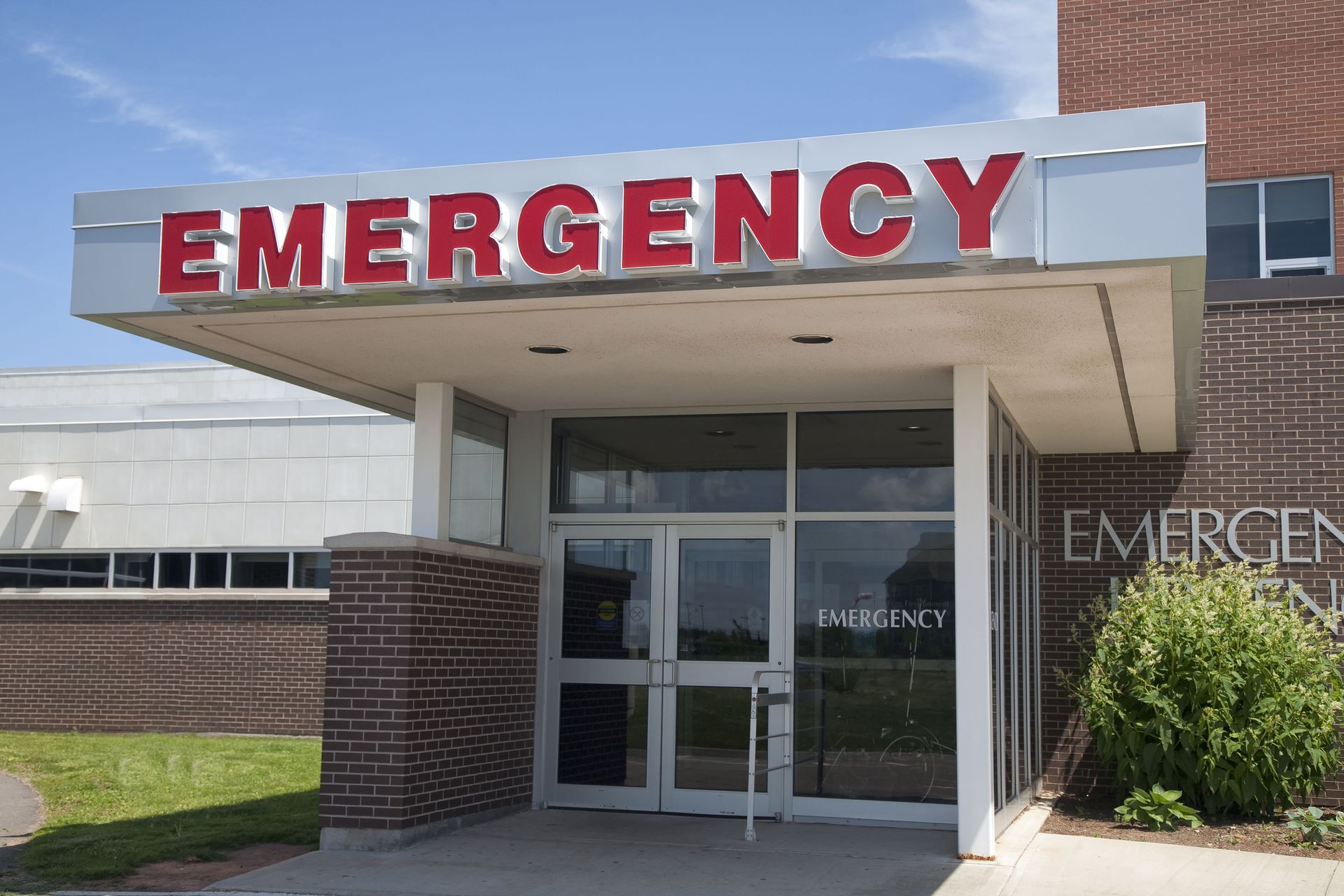
Health emergencies are unpredictable, but preparation and knowledge can make them more manageable for parents. Understanding when to seek care, what to expect during an ER visit, and how pediatric emergency care differs from routine medical visits empowers parents to act with confidence. When your child needs immediate attention, trusted emergency services provide not only medical treatment but reassurance during one of the most stressful moments a family can face. For parents in the Georgetown, TX area, Family Emergency Room at Georgetown provides 24/7 medical care with no wait times, on-site imaging and labs, and treatment for children and adults alike. Having access to dependable emergency services close to home ensures your child receives prompt, expert care when it matters most. Reach out today for more information about our facility.















Share On: