
The Importance of Being Familiar With Local Emergency Services
Understanding local emergency services is crucial for timely and effective responses in urgent situations. In this article, we explore the reasons why being informed about local emergency rooms can make a significant difference. The knowledge of area-specific services could mean the difference between life and death in critical moments. Familiarizing oneself with these services ensures fast access to the right kind of help when needed the most. This preparedness is a powerful tool for individuals and communities alike. Being aware of local emergency services can also reduce anxiety during crises, providing a clear plan of action. Moreover, such knowledge strengthens overall community resilience, ensuring that everyone is better equipped to handle unforeseen emergencies.
Recognize Local Emergency Services
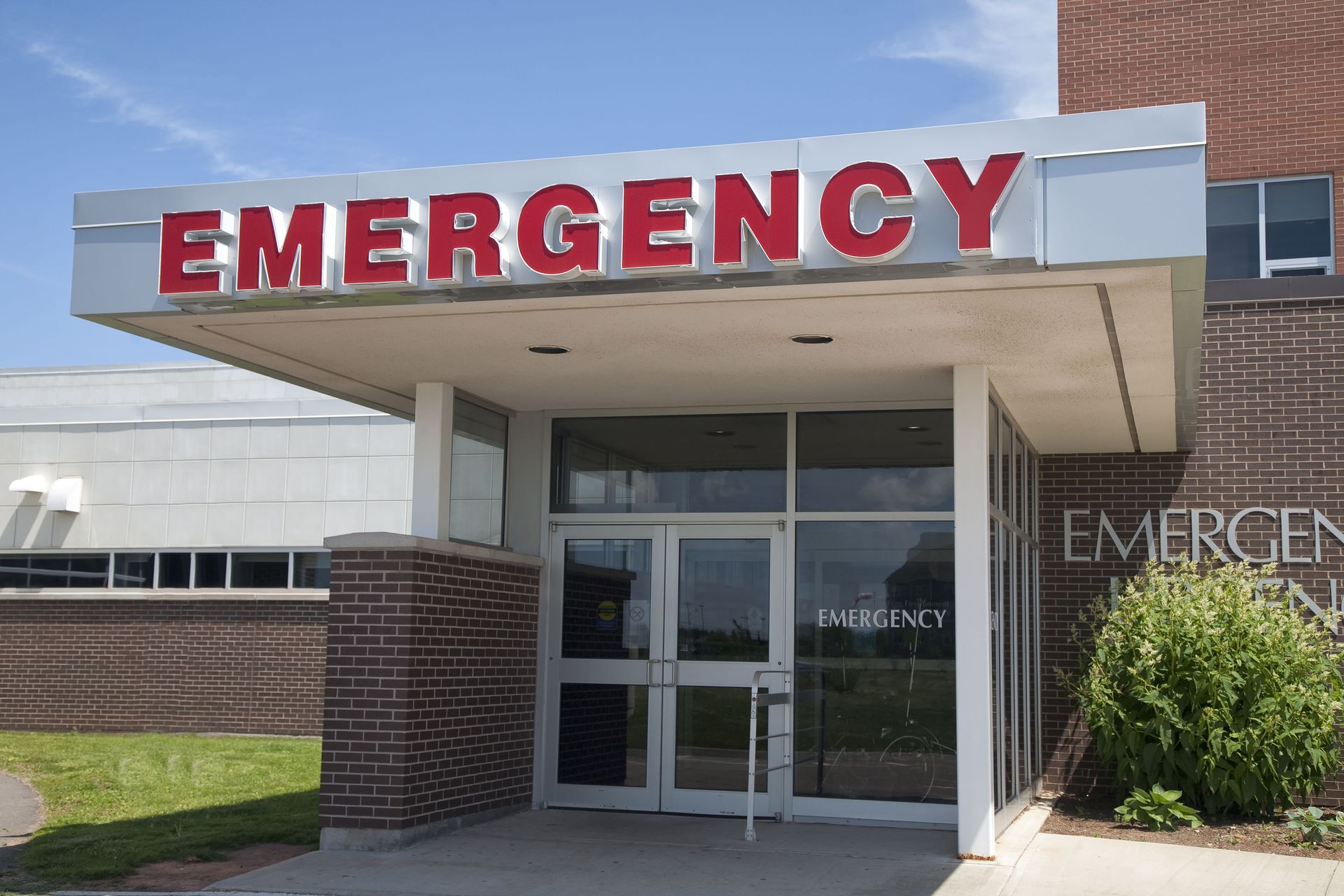
Knowing your local emergency services is critical for ensuring swift access to healthcare in urgent situations. In an emergency, every minute counts, and familiarity with your nearest emergency facilities enables quick decision-making and navigation. Local emergency services offer essential medical care, and being aware of their locations can shorten response times and lead to better outcomes. For instance, patients arriving at emergency rooms sooner due to prior knowledge of their locations often receive timely interventions. This preparedness can significantly reduce the risk of negative health outcomes, especially in sudden and severe situations.
Local emergency services are not just a safety net; they are a crucial part of the community infrastructure. They help to manage public health crises and respond to incidents quickly. Their role in treating acute conditions cannot be overstated, and familiarity with these services can empower individuals to take control in emergencies. Knowing where to turn in times of need creates a sense of security and readiness. When communities are well-informed, systemic efficiency improves, leading to enhanced overall public health outcomes.
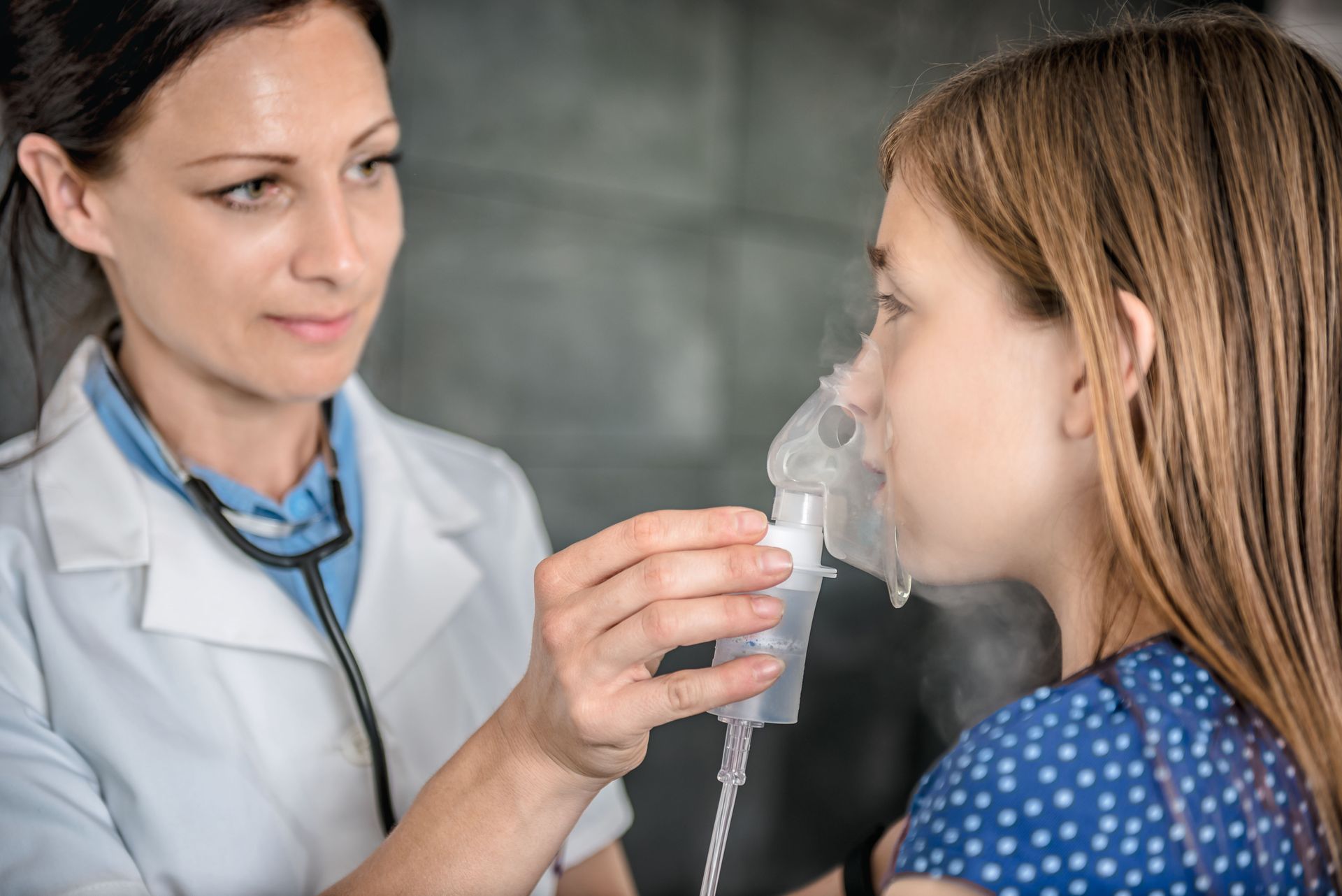
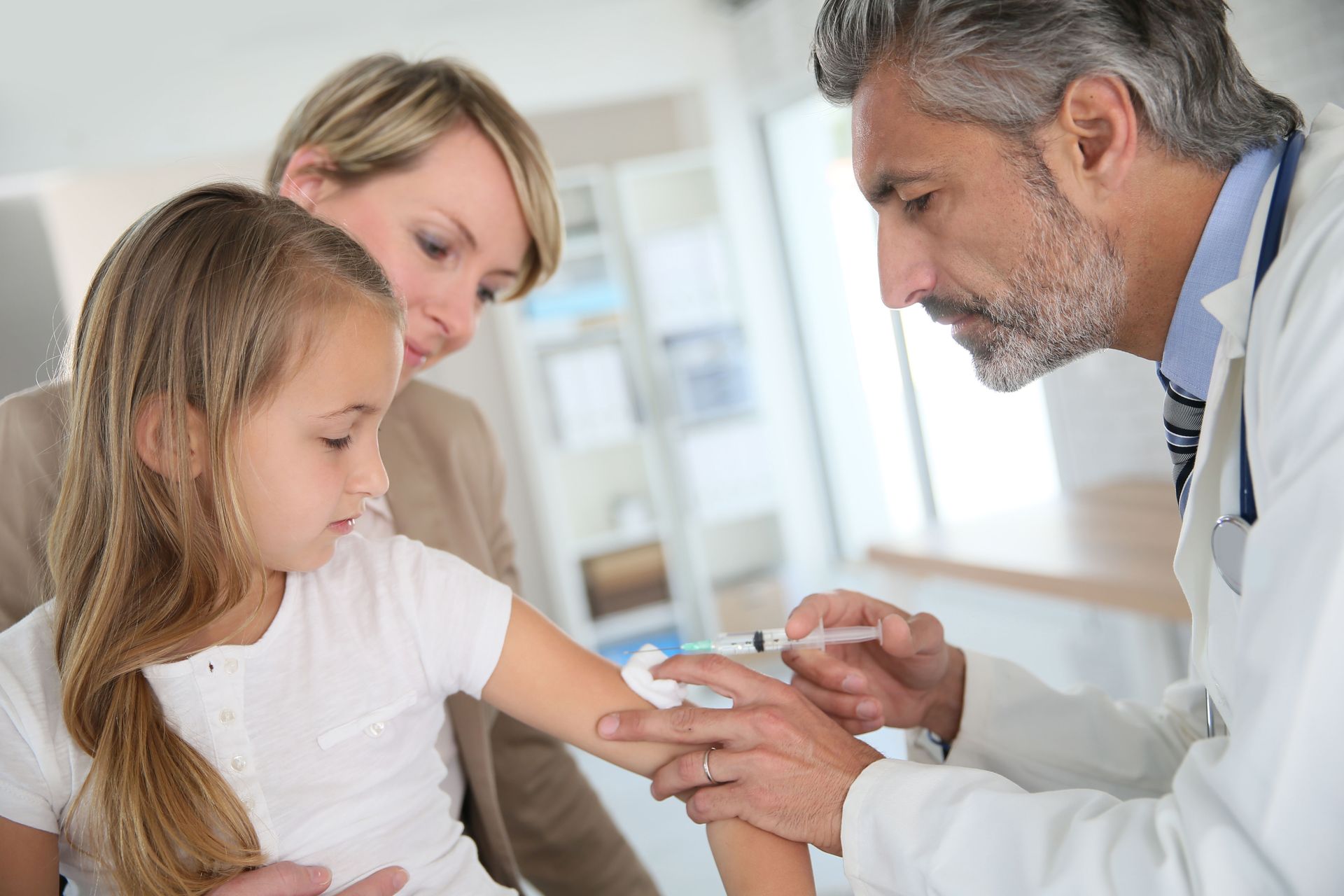
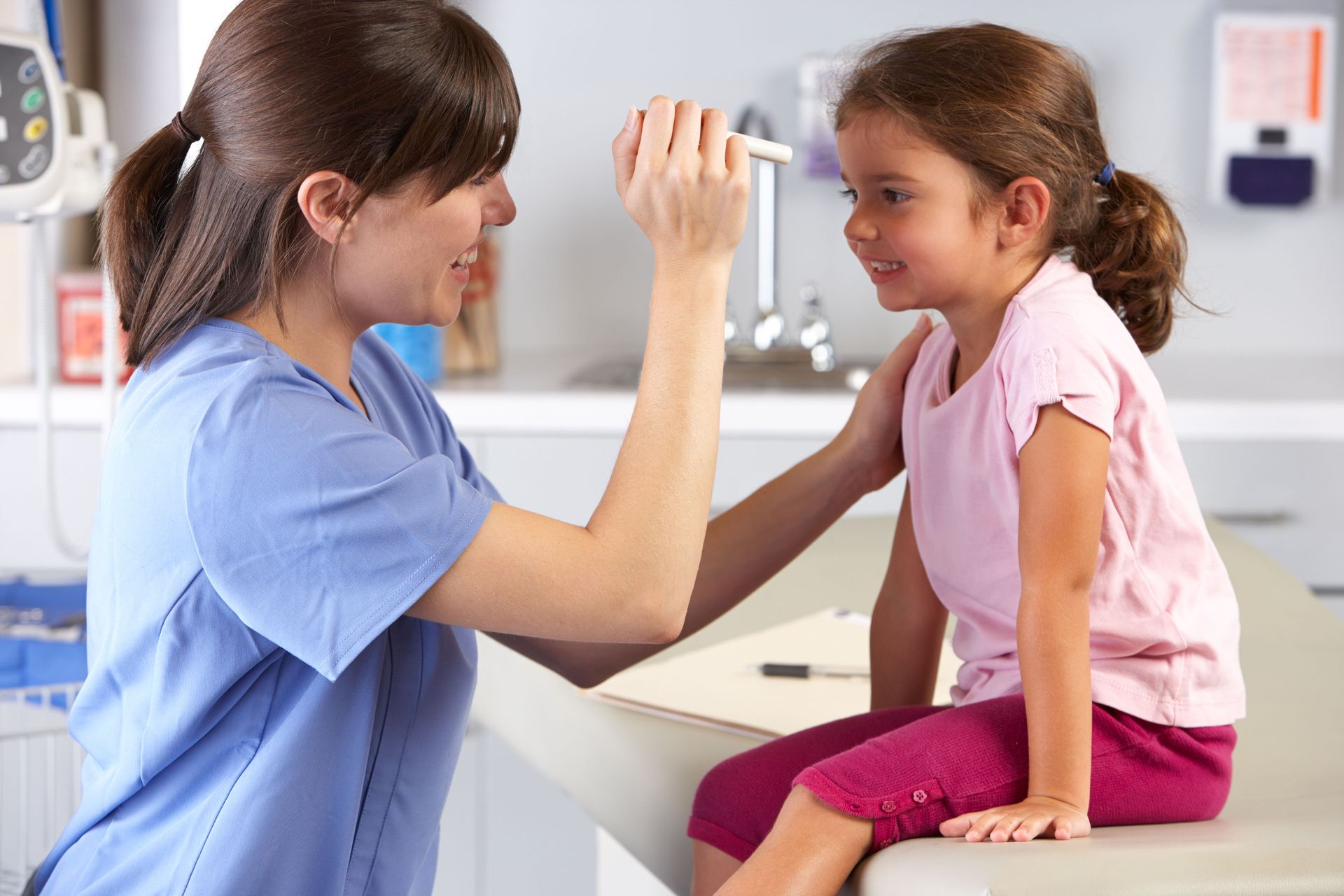
Children, in particular, often require emergency services, and according to the American Academy of Pediatrics, they account for about 30 million visits to emergency departments each year. Parents who are already familiar with the local emergency services provide their children with a quicker route to necessary care. This foreknowledge can alleviate the stress associated with finding suitable emergency care when it matters most. Therefore, being proactive by understanding local emergency systems can help mitigate anxiety and foster well-being in community members.
Utilize Available Resources
Identifying and understanding your local emergency services is easier today than ever before, thanks to modern technology. A simple internet search can reveal the nearest hospitals, clinics, and emergency rooms to your location. Many hospitals have websites detailing their services, specialties, and operating hours, which are invaluable during emergencies. Additionally, community centers and local government websites often provide important information about available medical facilities. Familiarity with these resources helps you prepare for unforeseen situations.
Local directories and mobile applications dedicated to emergency services are also useful tools in finding necessary information. These resources often contain maps, contact information, and reviews from other users, all of which can help guide individuals in times of need. By frequently updating these resources, you ensure that the information is accurate and reflects the latest available facilities. Engaging with these sources in non-emergent times prepares you to act effectively when emergencies arise. Being informed can mean a quicker response, leading to faster access to care.
Another effective way to find information about local emergency services is through community engagement. Attending public meetings, forums, or health fairs can provide insights into healthcare options and emergency services in the area. Local healthcare providers often participate in these events, offering further knowledge and addressing questions from the public. By fostering relationships with local service providers, you create a supportive network that benefits personal and community health. This proactive approach enhances not only individual preparedness but also collective resilience.
Prepare Before Emergencies
Before reaching local emergency services, certain immediate actions and preparations can improve outcomes. First and foremost, ensure the safety of the affected individual by stabilizing their immediate environment. If necessary, administer basic first aid, such as performing CPR or controlling bleeding, using available resources. Having a well-stocked emergency first aid kit at home or in the car can be invaluable during these initial critical moments. These steps are crucial to maintaining stability until professional medical help arrives.
Communication is key in emergencies, and quick thinking can make a significant difference. Call emergency services and provide clear, concise information about the situation, your location, and any immediate care administered. This information helps dispatchers coordinate resources efficiently and ensure appropriate assistance is on the way. Additionally, knowing local emergency numbers and having them saved in an easily accessible place can save precious time. When community members understand these basic emergency response actions, it contributes to overall communal safety.
Another important consideration before reaching local emergency services is planning. Implementing an emergency plan within the household or workplace sets clear procedures for various scenarios. Regularly engaging in emergency drills prepares all members to respond effectively under pressure. When everyone understands their roles, the collective response becomes more organized, potentially reducing panic and confusion. This preparation builds confidence and community coalescence, making emergencies more manageable.
Support Community Health
Local emergency services play a vital role in maintaining and improving community well-being. They provide medical interventions that prevent further complications and manage public health concerns that affect the community’s overall quality of life. Local emergency rooms are often the frontline defenders in health crises, serving diverse patient needs and helping to stabilize critical conditions. Quick and effective emergency healthcare reduces recovery times and lessens the burden on non-emergency health services. This contributes to community resilience and ensures a healthy population.
The impact of local emergency services extends beyond immediate medical care; they also provide education and prevention measures. Increasing public awareness about health issues helps communities adopt healthier lifestyles and recognize the importance of early medical intervention. By promoting preventive care, emergency services can reduce the frequency of emergencies. Furthermore, initiatives aimed at preventing accidents or educating the public about common health risks can significantly lower emergency room visits. This proactive approach benefits both individuals and the broader community.
Local emergency services often collaborate with other community organizations to ensure comprehensive care. This includes partnerships with public health departments, schools, and local non-profits to extend their reach and effectiveness. These collaborations foster a shared responsibility for health and well-being, creating a network of support for community members. By embedding themselves within the community, local emergency services enhance trust and a sense of security among residents. Ultimately, this holistic approach enhances community ties, making neighborhoods safer and healthier places to live.
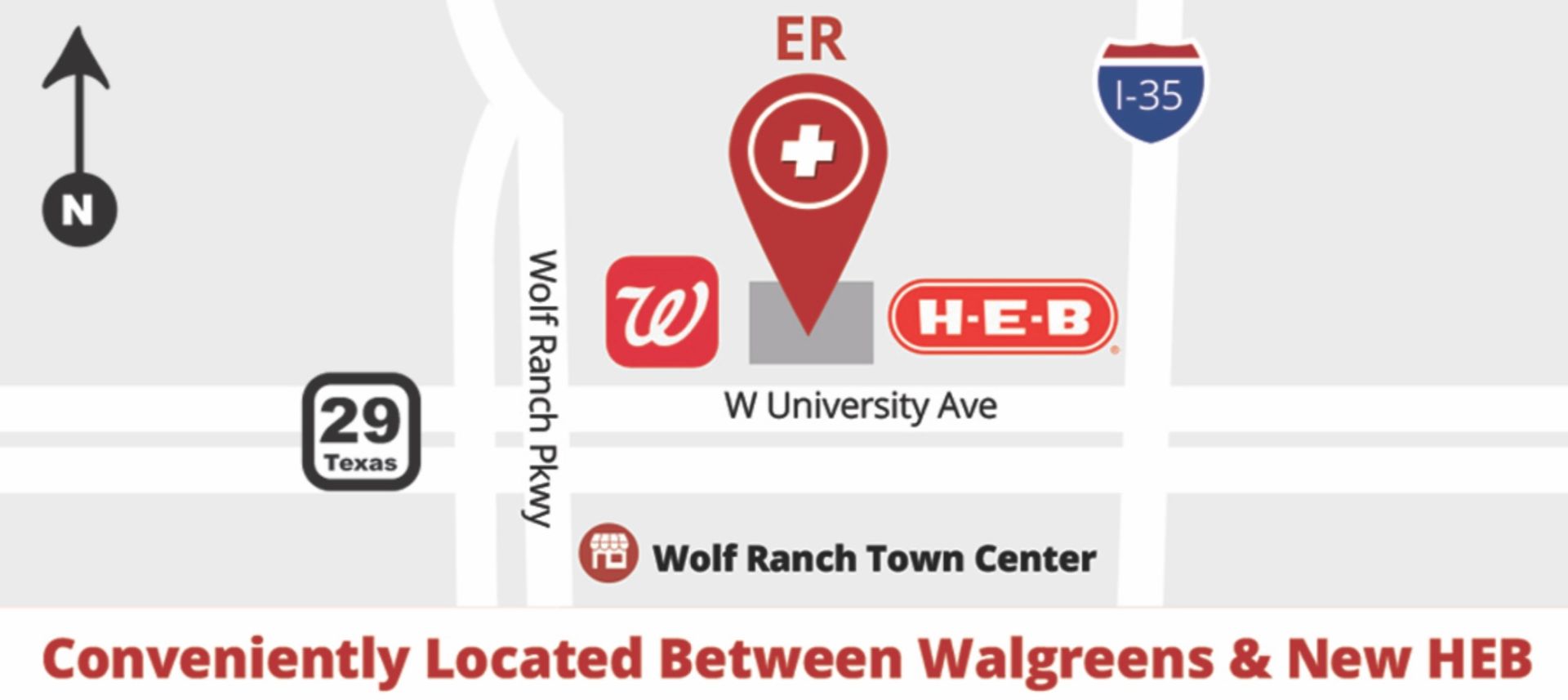
Being informed about local emergency room services is essential for effective emergency response, improved public health outcomes, and communal safety. By understanding and utilizing these resources, individuals can significantly enhance community resilience and personal preparedness in times of crisis. Informed communities are more capable of addressing emergencies with agility and efficiency. This knowledge equips individuals to safeguard not only their health but also the well-being of those around them. Embracing this readiness fosters a stronger, healthier, and more cohesive society. Being familiar with local emergency services empowers individuals to act confidently under pressure and make critical decisions quickly. It also lays the foundation for a safer, more informed community where everyone benefits from timely access to care. Reach out to the Family Emergency Room at Georgetown to learn more today.








Share On: