
When to Visit Emergency Rooms Versus Urgent Care Clinics
Healthcare decision-making often requires fast, high-stakes judgment calls, especially when symptoms escalate unexpectedly. At a strategic level, knowing when to choose between emergency rooms and urgent care clinics is about aligning the severity of the condition with the appropriate level of medical infrastructure. Emergency rooms are designed as comprehensive, always-on environments equipped to stabilize life-threatening conditions, while urgent care clinics operate as agile, accessible solutions for non-life-threatening but time-sensitive issues.
This distinction is not just operational—it directly impacts patient outcomes, cost efficiency, and overall healthcare system utilization. Emergency rooms provide advanced diagnostics, specialist access, and 24/7 readiness, whereas urgent care clinics deliver faster, lower-cost care for less critical concerns.
Recognizing Life-Threatening Symptoms That Require Emergency Rooms
When symptoms present a risk to life, limb, or long-term function, emergency rooms become the appropriate point of entry. The guiding principle here is urgency tied to severity. If a condition affects airway, breathing, circulation, or neurological function, immediate escalation to emergency rooms is essential.
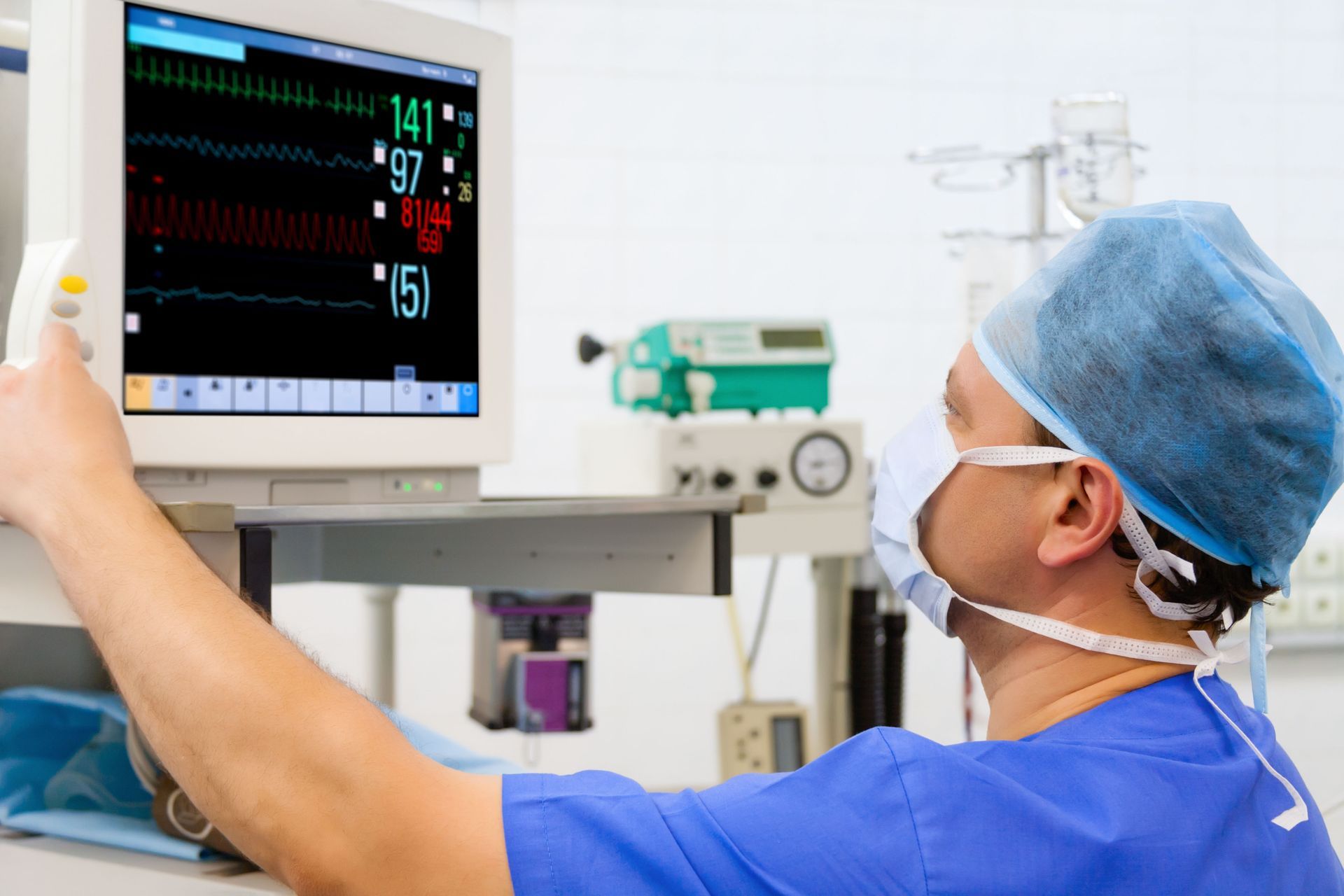
Situations such as chest pain, difficulty breathing, severe bleeding, stroke symptoms, or loss of consciousness demand the capabilities that only emergency rooms can provide. These environments are equipped for rapid intervention, including advanced imaging, surgical readiness, and critical care support.
The key takeaway is straightforward: if delaying care could result in death or permanent disability, emergency rooms are not optional—they are necessary. This high-acuity positioning ensures patients receive immediate stabilization and comprehensive evaluation.
Identifying Non-Life-Threatening Conditions Suitable for Urgent Care Clinics
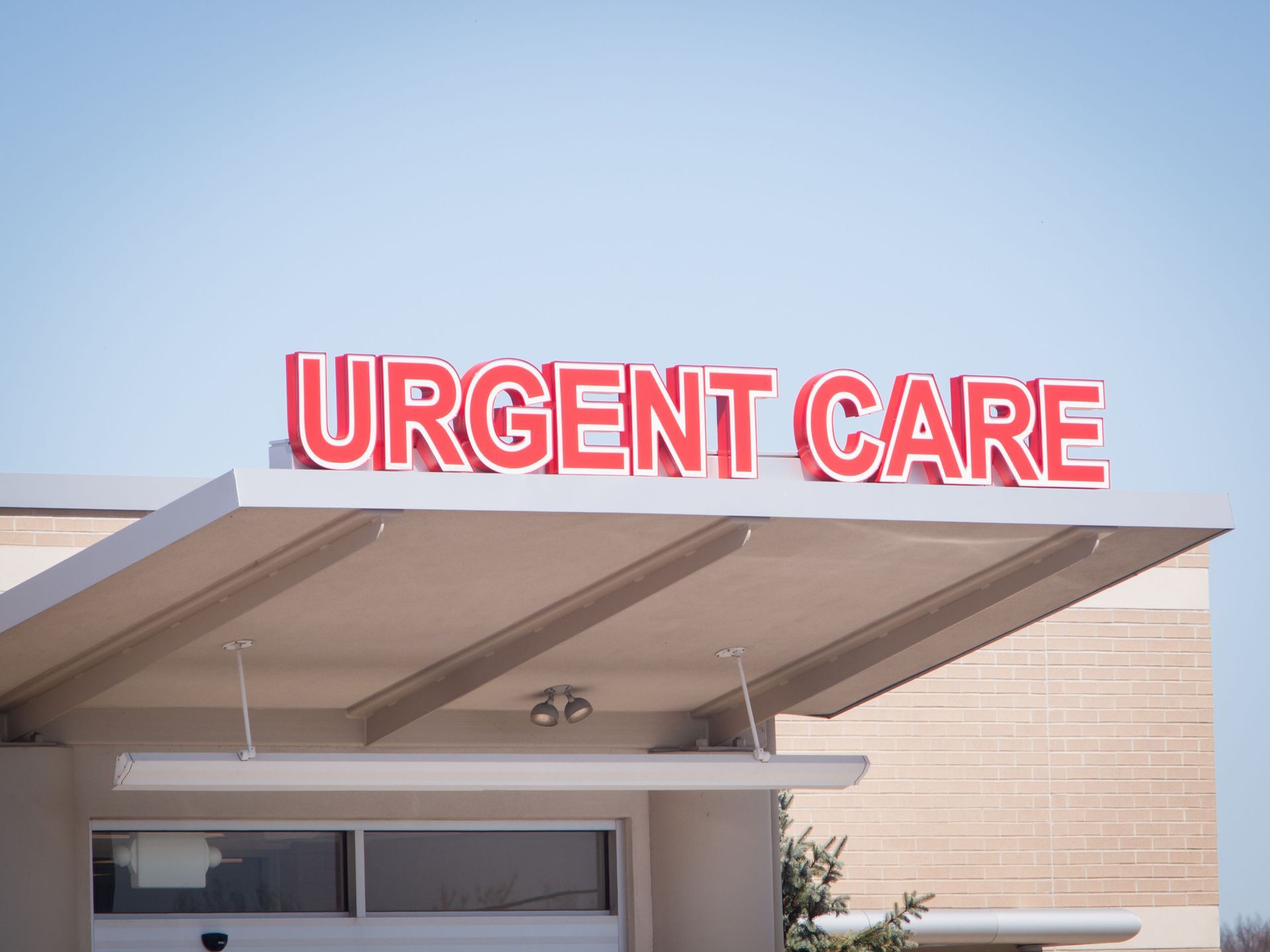
Urgent care clinics function as a tactical solution for conditions that require prompt attention but do not pose an immediate threat to life. These facilities are optimized for efficiency, providing services such as basic lab testing, X-rays, and prescription management.
Common examples include minor fractures, sprains, mild asthma symptoms, infections like strep throat, and small cuts that may require stitches. In these scenarios, urgent care clinics deliver faster service and reduced costs compared to emergency rooms, making them a practical choice for patients seeking timely care without the intensity of a hospital setting.
From a strategic standpoint, urgent care clinics help decompress emergency rooms by handling lower-acuity cases, allowing hospital resources to remain focused on critical emergencies.
Evaluating Severity Versus Urgency in Real-Time Decision Making
One of the most effective frameworks for deciding between emergency rooms and urgent care clinics is evaluating severity versus urgency. Severity addresses how dangerous a condition is, while urgency reflects how quickly it needs attention.
Emergency rooms are designed for high-severity, high-urgency scenarios. Urgent care clinics are appropriate for low-severity, moderate-urgency cases. This distinction helps patients and families make informed decisions under pressure, reducing delays in care and minimizing unnecessary escalation.
It is also important to recognize that when uncertainty exists, seeking care quickly is more important than choosing perfectly. Medical professionals can redirect patients if needed, ensuring continuity of care across settings.
Considering Cost, Wait Time, and Resource Allocation
From an operational efficiency perspective, the choice between emergency rooms and urgent care clinics also impacts financial and time-related outcomes. Emergency rooms typically involve higher costs due to the advanced resources and personnel required for comprehensive care.
Urgent care clinics, by contrast, offer a more cost-effective model with shorter wait times, making them an attractive option for non-critical conditions. However, choosing urgent care when a condition is severe can lead to delays if a transfer to emergency rooms becomes necessary.
This creates a balancing act where the right decision optimizes both health outcomes and resource utilization. In a well-functioning healthcare ecosystem, patients are empowered to select the appropriate level of care based on informed judgment.
Understanding the Capabilities of Emergency Rooms
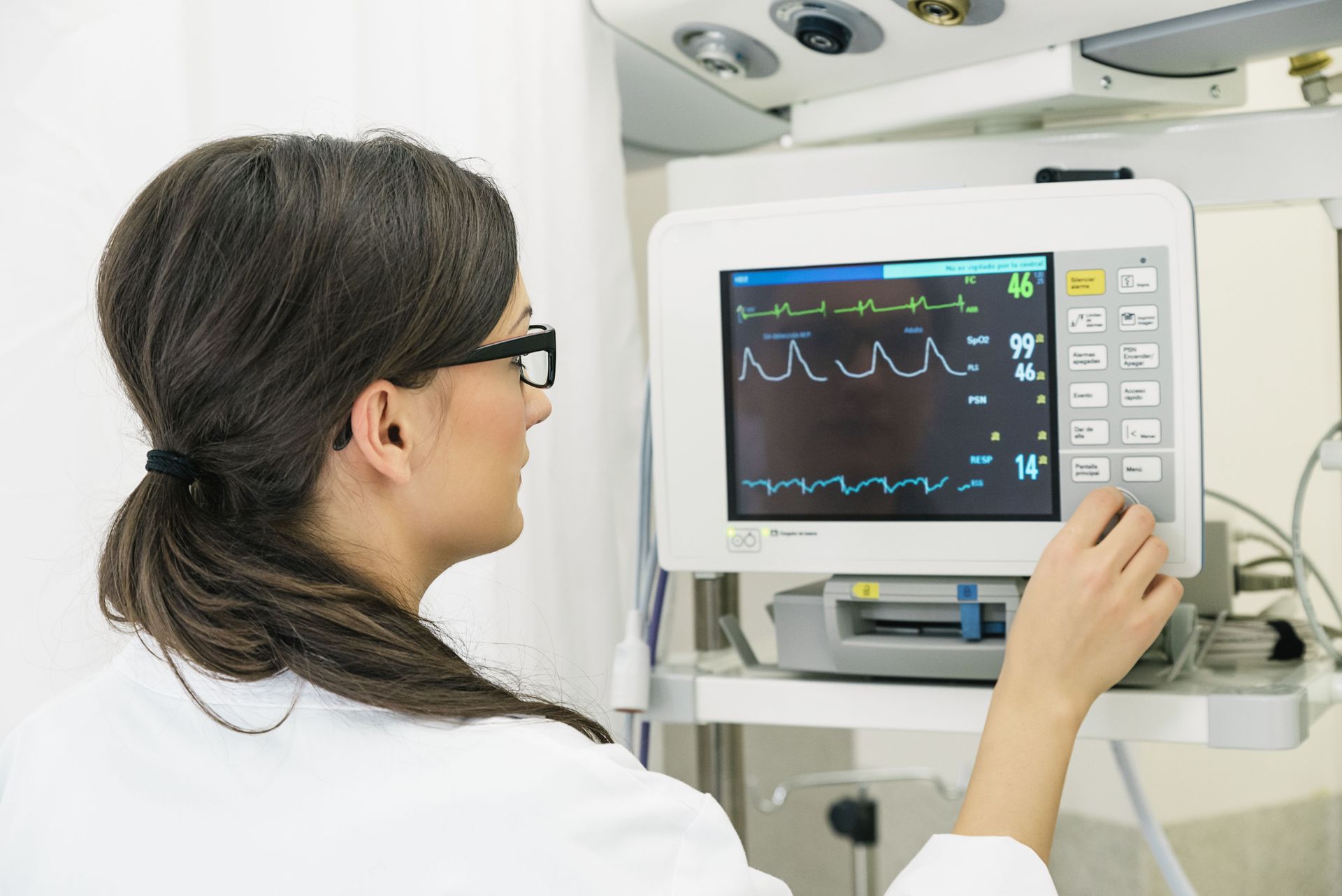
Emergency rooms operate as full-service medical environments capable of addressing a wide range of complex conditions. These facilities provide access to specialists, advanced imaging technologies such as CT scans and MRIs, and the ability to perform emergency surgery when needed.
This comprehensive capability ensures that emergency rooms can manage everything from traumatic injuries to acute medical crises. Their 24/7 availability reinforces their role as the frontline response for severe health events.
For patients, this means that emergency rooms are the safest choice when symptoms are severe, rapidly worsening, or unclear but potentially dangerous.
Understanding the Capabilities of Urgent Care Clinics
Urgent care clinics are structured for speed, accessibility, and convenience. They fill the gap between primary care providers and emergency rooms, offering walk-in services for immediate but non-critical needs.
These clinics typically handle diagnostic testing, minor procedures, and treatment for common illnesses. While they are not equipped for advanced or life-saving interventions, they provide an essential service that improves healthcare accessibility and reduces strain on emergency rooms.
In many cases, urgent care clinics act as a first step in the care journey, with the ability to escalate patients to emergency rooms if necessary.
Recognizing Special Considerations for Vulnerable Populations
Certain populations, particularly older adults, require additional consideration when deciding between emergency rooms and urgent care clinics. Falls, for example, are a major health risk among seniors and often necessitate immediate evaluation.
According to the CDC, each year there are around three million emergency room visits from seniors slipping or falling. This statistic highlights the importance of erring on the side of caution for high-risk groups. What may appear to be a minor incident can quickly evolve into a serious condition, making emergency rooms the safer choice in many cases involving older adults.
Navigating Uncertainty With Confidence
Healthcare decisions are rarely black and white, and uncertainty is a natural part of the process. When symptoms are ambiguous, patients often hesitate between emergency rooms and urgent care clinics.
In these scenarios, a practical approach is to assess whether symptoms are worsening, severe, or associated with significant pain or dysfunction. If the answer is yes, emergency rooms provide the highest level of reassurance and capability. If symptoms are stable and manageable, urgent care clinics offer an efficient alternative.
Importantly, the healthcare system is designed to guide patients to the right level of care. If a patient arrives at urgent care with a more serious condition, they will be referred to emergency rooms for further treatment.
Ultimately, the decision between emergency rooms and urgent care clinics comes down to aligning patient needs with the appropriate level of care. Emergency rooms are essential for life-threatening conditions, offering comprehensive resources and immediate intervention. Urgent care clinics provide a streamlined solution for less severe issues, delivering timely care without the complexity of a hospital setting.
By understanding these distinctions, patients can make more informed decisions, reduce unnecessary stress, and ensure that they receive the right care at the right time. In a healthcare landscape where efficiency and outcomes are closely linked, this knowledge becomes a critical asset.
Emergency rooms remain a cornerstone of acute care, while urgent care clinics serve as a valuable complement. Together, they create a balanced system that supports patients across the full spectrum of medical needs. If you're looking for emergency healthcare services for you or a loved one, contact or visit Family Emergency Room at Georgetown today. We can give immediate medical care to anyone in your family without a wait and without any surprise medical billing. At our facility, you'll always get high-quality healthcare from our Board Certified Emergency Medicine Doctors. Contact or visit our clinic today!















Share On: