
How Emergency Clinics Help With Mental Health Crises
Emotional health issues can cause long-term problems that can trigger severe, long-term effects that may make your life very difficult. For instance, some people may experience severe crises that can impact their health and even threaten their lives. Thankfully, working with an emergency clinic during these issues can help you through the recovery process and mitigate adverse reactions. It's particularly critical if you're a victim of panic attacks that make it hard for you to function properly.
1. Help With Emergency Situations
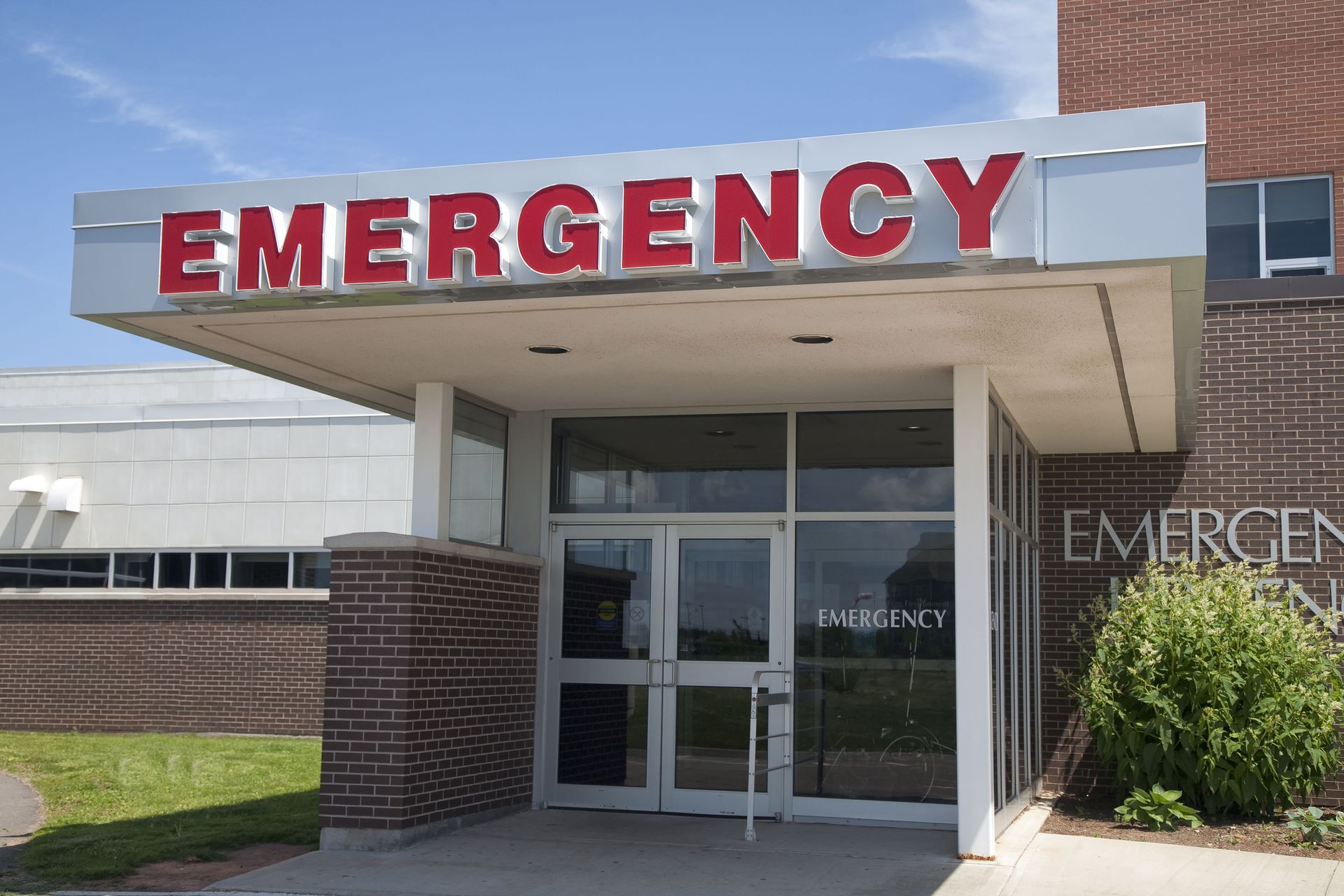
If you're having a severe emotional crisis and you need help right away, then visit a clinic to get support. They can get you into a session with a counselor and help you understand what is happening. Often, all it takes is a caring ear who is willing to listen to you to get the support that you need.
In a clinic, a specialist will work to get you stabilized and back to a safer state. First of all, they'll figure out what triggered you and calm you down to mitigate your symptoms. Just as importantly, they can reduce your chance of relapse and make long-term recovery smoother.
2. Provide Immediate Care
Your crisis needs immediate therapeutic support that helps you bounce back and get back into your day-to-day life. Though this may take some time to achieve, immediate care handles your worst symptoms first and gets you back to a stable state before you get long-term therapy.
This step may include contacting your family or friends to make sure that they know what's happening. They should contact a close loved one to ensure they're involved with your recovery. It's a useful step that can get you through this emergency more effectively.
3. Break Through Negative Patterns
According to the Agency for Healthcare Research and Quality, people between the ages of zero and 17 and 65 and over are far less likely than people between the ages of 18 and 44 to have an ED visit for mental health, alcohol, or substance abuse problems. If you fall within these age ranges, then you may need help. Thankfully, a clinic visit can help.
First, they'll identify potential negative patterns of behavior that influence your emotional health problems. These include an unwillingness to get support from a specialist, as well as self-abusive behaviors. This process takes a long time but can be achieved by working directly with a skilled clinician.
4. Assess Physical Health
The thing about emotional health problems is that they often have physical care issues. For example, mental health issues can make you eat improperly and cause weight loss, poor dietary choices, and other problems. Visiting a clinic can streamline this process for you and figure out how to help you get better.
Once the clinic figures out what kind of health problems are impacting you, they can provide real care options. For example, there are vitamin infusions and supplements that can improve your mood and dietary health. They can also help with physical injuries you might experience during your crisis.
5. Handle Aftercare Support
The thing about managing your emotional crises in a clinic is that it only takes care of the surface problem. Long-term recovery requires you to get aftercare support that manages your symptoms and makes your life better. Working through this process can make it easier for you to stay stronger for longer after your initial treatment.
That's something to take seriously because you deserve the sustained and effective treatment that makes sense for your needs. Aftercare includes therapies after your initial recovery and follow-up visits with other professionals. It's a step you need to take to ensure that you prevent further emotional crises.
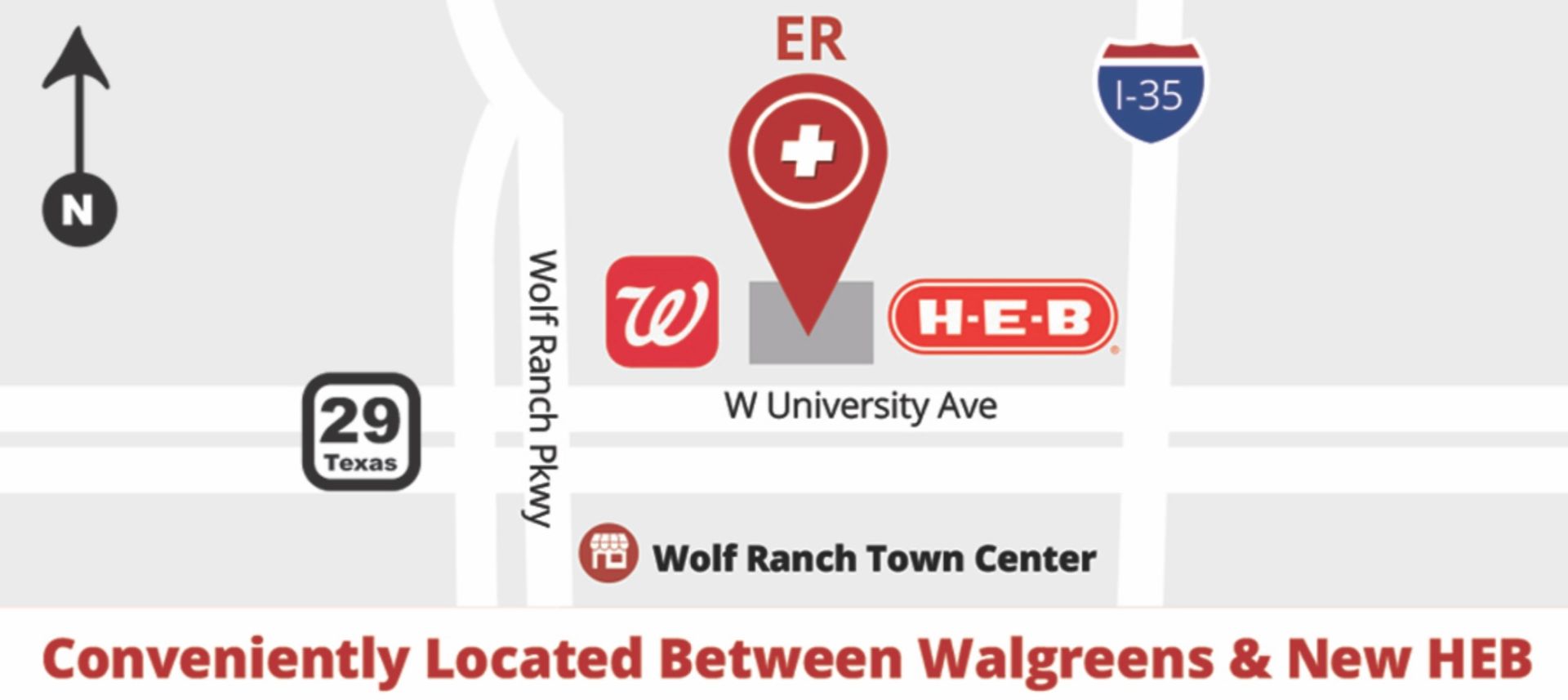
These benefits make visiting an emergency clinic when you're having a mental health crisis a great idea. As a result, it's important to contact us right away if you're experiencing severe emotional problems. We can give you the support that you need to ensure that you get the best results possible. Our team will make it easier for you to work through your emotional care as effectively as possible, potentially reduce the severity of your crises, and mitigate your potential triggering actions. Make sure you get in touch with our team at Family Emergency Room at Georgetown to get the help you need.














Share On: