
5 Signs You Need To Visit the Urgent Care Clinic
Visiting an urgent care clinic can provide a timely response to various health concerns that are not life-threatening but require prompt attention. Knowing when to seek professional medical intervention is crucial in ensuring you receive the appropriate treatment when necessary. Being informed about your local healthcare options improves overall wellness outcomes, minimizes stressful waiting room delays, and keeps you prepared for unexpected medical situations. Modern medical facilities are an excellent resource for addressing a wide range of non-emergency health issues efficiently while keeping high-quality treatment accessible for families.
Experiencing unmanageable or severe pain
When it comes to physical discomfort, there is a fine line between a minor ache and an issue that requires a clinical evaluation. Persistent abdominal pain that does not subside with over-the-counter medication should raise an immediate flag. If the pain is accompanied by additional symptoms such as nausea, vomiting, or a mild fever, it is prudent to seek medical oversight. Choosing to visit an urgent care clinic can save you prolonged distress and help diagnose underlying issues more swiftly before they worsen.
Severe headaches that begin suddenly and feel entirely unlike your typical tension headaches can also be indicative of something more serious. According to Statista, there are 411 visits to the emergency room per capita each year in the United States. This statistic signifies the large volume of clinical encounters that take place annually, many of which could be handled outside a hospital setting. Seeking help allows you to receive an immediate assessment and targeted pain management, preventing complications and offering a clear treatment plan.
Additionally, intense back pain or significant discomfort in your limbs and joints should not be overlooked, especially if it restricts your ability to stand or walk. These symptoms can indicate a variety of issues, from deep sprains to acute inflammatory conditions that need prompt attention. Medical facilities are typically well-equipped with the necessary diagnostic tools, such as digital X-rays, to perform quick evaluations on-site and establish an effective recovery path. Seeking early professional care prevents further structural damage, manages swelling effectively, and quickly provides targeted therapeutic solutions to help you safely regain full physical mobility.
Dealing with sudden respiratory issues
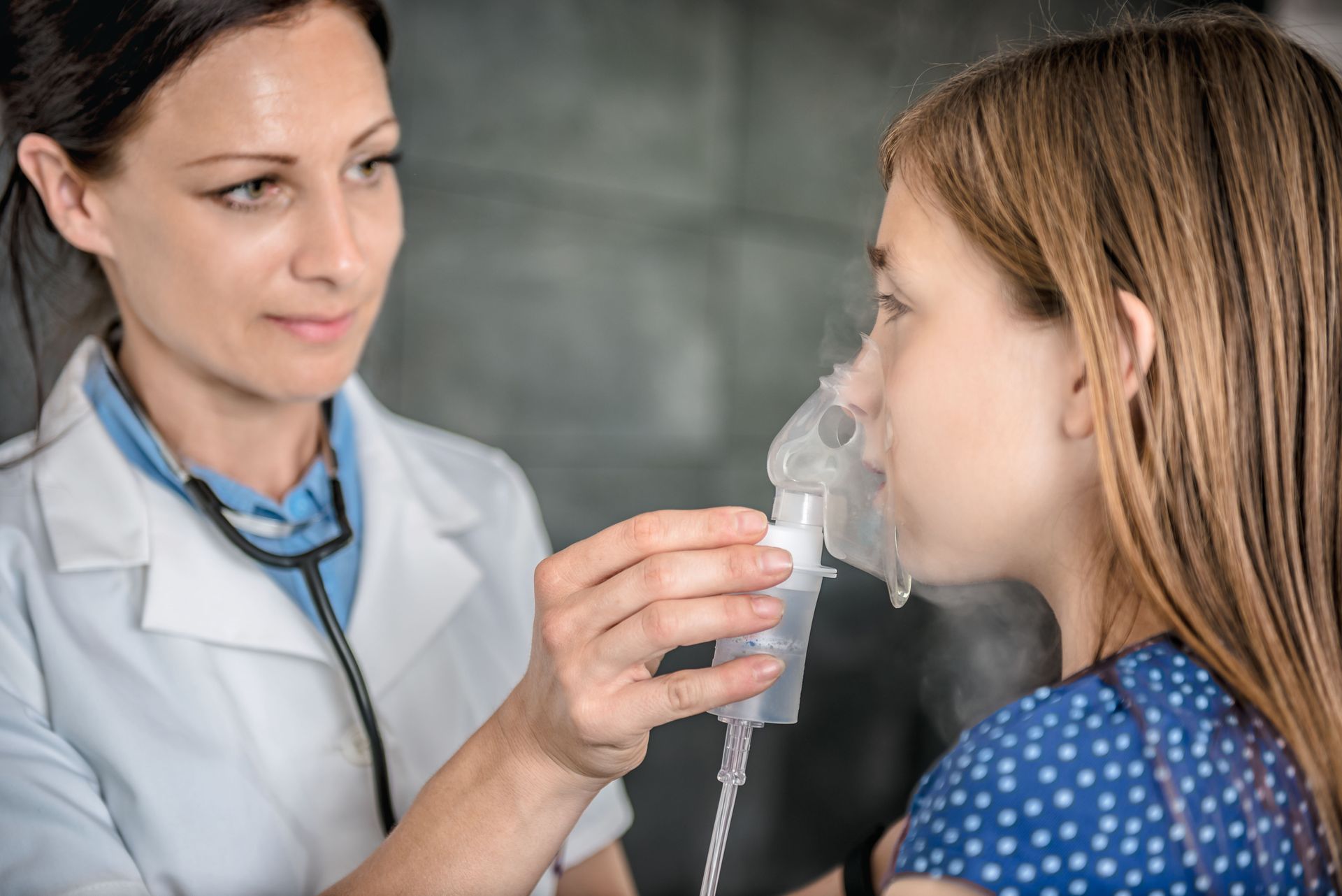
Experiencing shortness of breath or a sudden breathing difficulty, particularly if it occurs unexpectedly, can be incredibly alarming. While respiratory issues can often be related to chronic disorders such as asthma or seasonal allergies, it is critical to determine the exact cause swiftly. Clinical staff can provide immediate assessments, nebulizer treatments, and basic oxygen therapy to stabilize your breathing pattern without the long wait times often found in traditional hospital emergency departments.
A persistent cough that lasts longer than a few weeks and is accompanied by other symptoms like a fever or severe fatigue should never be ignored. Such symptoms could signify a more serious respiratory condition, such as pneumonia, bronchitis, or a secondary viral infection. A prompt medical visit can help diagnose the underlying cause and start targeted treatment immediately, helping you recover faster and avoid chronic respiratory complications down the road.
New or unexpected respiratory sounds, such as wheezing or whistling, are also clear signals that something is affecting your normal breathing pattern. These symptoms might be indicative of airway inflammation or an acute allergic reaction that requires rapid evaluation. Choosing to seek care at an urgent care clinic provides clarity on the necessary steps for long-term management and ensures that you receive the correct prescription medications to alleviate the airway obstruction.
Noticing acute signs of infection
High fevers can be a clear sign of a developing bacterial or viral infection that requires immediate medical attention. While fevers are a natural response to illness, extreme or persistent fevers in certain populations, such as young children or the elderly, can be of concern. Walking into a dedicated medical facility provides an ideal setting for evaluating the source of a fever, performing rapid strep or flu screenings, and administering the appropriate therapeutic response.
Skin changes, such as a red, streaking rash or a painful, swollen localized area, should activate a prompt medical evaluation. Rashes that appear with red streaks can be a signal of a worsening systemic infection that requires antibiotic intervention before it spreads further into the body. Early clinical care ensures that the root causes of such rashes are addressed promptly, significantly improving recovery times and health outcomes.
Furthermore, experiencing pain or a burning sensation during urination is a classic sign of a urinary tract infection. These conditions can escalate into more serious kidney infections if left untreated. Clinicians can efficiently diagnose and treat these issues with quick laboratory urinalysis tests, providing targeted medications that eliminate the infection rapidly and relieve discomfort without necessitating an extensive emergency hospital visit.
Seeking non-vital injury care
Sprains, strains, and minor fractures are common injuries resulting from physical activities, falls, or sudden physical movements. While these injuries are painful and limit mobility, they are generally non-life-threatening. A modern urgent care clinic offers immediate relief through measures such as professional splinting, joint immobilization, and pain management, ensuring that your injuries are assessed and treated by experienced medical providers right away.
Minor cuts and lacerations that require some form of closure, whether through standard stitches, skin glue, or sterile adhesive strips, are also best treated swiftly. Prompt attention to lacerations prevents bacterial infection and minimizes long-term scarring, ensuring that the skin heals effectively. Choosing an alternative medical setting for these lacerations saves valuable time, allowing for rapid intervention without the typical delays of a hospital waiting room.
Minor burns, severe bruises, and suspected concussions from minor head impacts also benefit from professional clinical oversight. Symptoms such as localized dizziness, mild headaches, or difficulty concentrating after a minor bump imply a need for immediate evaluation. Medical professionals can perform initial neurological assessments, provide proper wound care dressings for burns, and offer clear guidelines for safe rest and recovery.
Managing severe gastrointestinal disturbances
Conditions that involve severe or prolonged vomiting and diarrhea drastically increase the risk of dehydration and other systemic complications. Clinical centers are well-equipped to handle these issues by providing oral hydration therapies, anti-nausea medications, and conducting targeted diagnostic tests to uncover the underlying viral or bacterial causes. Prompt treatment is crucial to restoring your body's balance and preventing symptoms from escalating.
Severe abdominal discomfort, persistent nausea, or a sudden change in digestive habits can severely impact daily functioning and warrant a thorough medical evaluation. Identifying the triggers and origins of these symptoms helps providers expedite treatment, offering you rapid relief. When gastrointestinal distress occurs alongside localized pain or mild bloating, a swift clinical assessment ensures that the issue is managed before it becomes debilitating.
Recognizing when your symptoms require professional evaluation rather than simple at-home care is essential to protecting your long-term health. By addressing gastrointestinal disturbances early, you can halt potential health deterioration and manage acute conditions safely. Visiting a neighborhood urgent care clinic allows you to receive personalized advice, obtain necessary prescriptions, and implement clear recovery adjustments.
Understanding when to seek medical help allows you to navigate your healthcare options with confidence and ensure your family receives timely, expert attention. Professional medical staff is always standing by to provide the reliable, high-quality interventions necessary to restore your peace of mind and overall physical well-being. For more information about the services that we offer, reach out to our incredible team at Family Emergency Room at Georgetown today!










Share On: